





Fleeing the Heat Dome
It used to be a simple vacation choice. Now, for many, it feels like a necessity. As 'heat domes' and 'unprecedented' temperature records become annual summer events across the South, Midwest, and even the Northeast, the seasonal migration to higher elevations
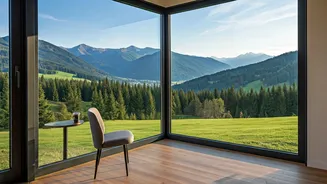
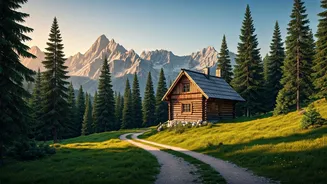
is accelerating. Tourist towns in the Rockies, Appalachians, and Cascades are reporting booming summer seasons, not just for a week-long family trip, but for month-long stays. Remote workers, untethered from physical offices, are leading the charge. They swap stifling city apartments for cabins in places like Bozeman, Montana, or Asheville, North Carolina, where a 95-degree day is a shocking anomaly, not a Tuesday. This isn't just about escaping discomfort; it's about escaping a genuine health threat. Extreme heat is the deadliest weather phenomenon in the United States, and the appeal of a place where you can open a window at night is becoming a primary driver of domestic travel.
The New Climate Havens
What begins as a vacation can quickly become a Zillow search. The trend goes far beyond tourism, bleeding into a larger pattern of climate-driven migration. People aren't just visiting the mountains; they're moving there. Real estate markets in mountain communities have surged, with demand driven by 'climate refugees' from hotter, more fire-prone, or hurricane-vulnerable regions. These aren't just retirees. They are young families and professionals looking for a better quality of life and a sense of security in an increasingly volatile climate. They are seeking places with cooler summers, reliable water sources, and a buffer from the worst effects of a warming planet. This has led to the rise of the 'climate haven' or 'Zoom town,' a term coined for communities that swelled with remote workers during the pandemic and are now sustained by those seeking environmental stability. The mountain West and parts of the upper Northeast are the primary beneficiaries—or victims—of this demographic shift.
Nature's Prescription
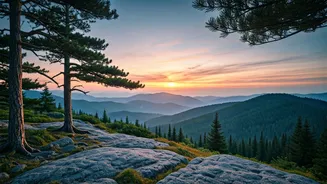
The headline's metaphor is more than just poetry; it's rooted in science. Mountains act as medicine in tangible ways. For every 1,000 feet of elevation gain, the temperature typically drops by about 3.5 to 5.5 degrees Fahrenheit. This simple atmospheric fact means a move from Phoenix (1,086 ft) to Flagstaff (6,909 ft) can mean a 20-degree drop in the daily high. But it's not just temperature. The psychological effects are just as potent. The concept of 'ecotherapy' suggests that spending time in nature has measurable benefits for mental health, reducing stress, anxiety, and depression. The rustle of aspen leaves, the sight of a sprawling valley, the scent of pine after a rainstorm—these sensory inputs trigger a restorative response in our brains. In an age of digital overload and climate anxiety, the simplicity of a cool, green, and quiet mountain landscape feels less like a luxury and more like essential treatment.
An Uneasy Paradise
This rush to the mountains is not without its costs. Long-time residents of these idyllic towns are facing a new set of challenges. The influx of new, often wealthier, residents drives up housing prices, pricing out local workers who are the backbone of the community—teachers, firefighters, and service industry employees. This phenomenon, known as 'climate gentrification,' is straining infrastructure, from water supplies to roads and schools. Beloved trailheads are now overcrowded, and the quiet solitude that once defined these places is becoming harder to find. The very 'medicine' that newcomers seek is at risk of being diluted by their own arrival. Mountain communities are now grappling with how to manage this growth, preserve their character, and ensure they don't become exclusive enclaves accessible only to the climate-privileged.