


The Pressure of the Traditional Plate
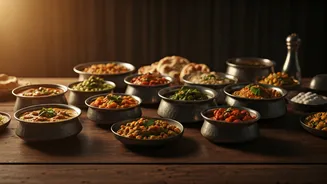
In the United States, we often experience Indian food through a restaurant lens: a rich curry, fluffy naan, a sizzling tandoori platter. But for hundreds of millions in India, the heart of culinary life has always been the home. A traditional Indian meal,
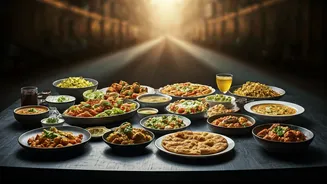
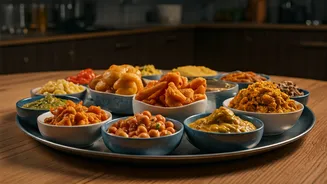
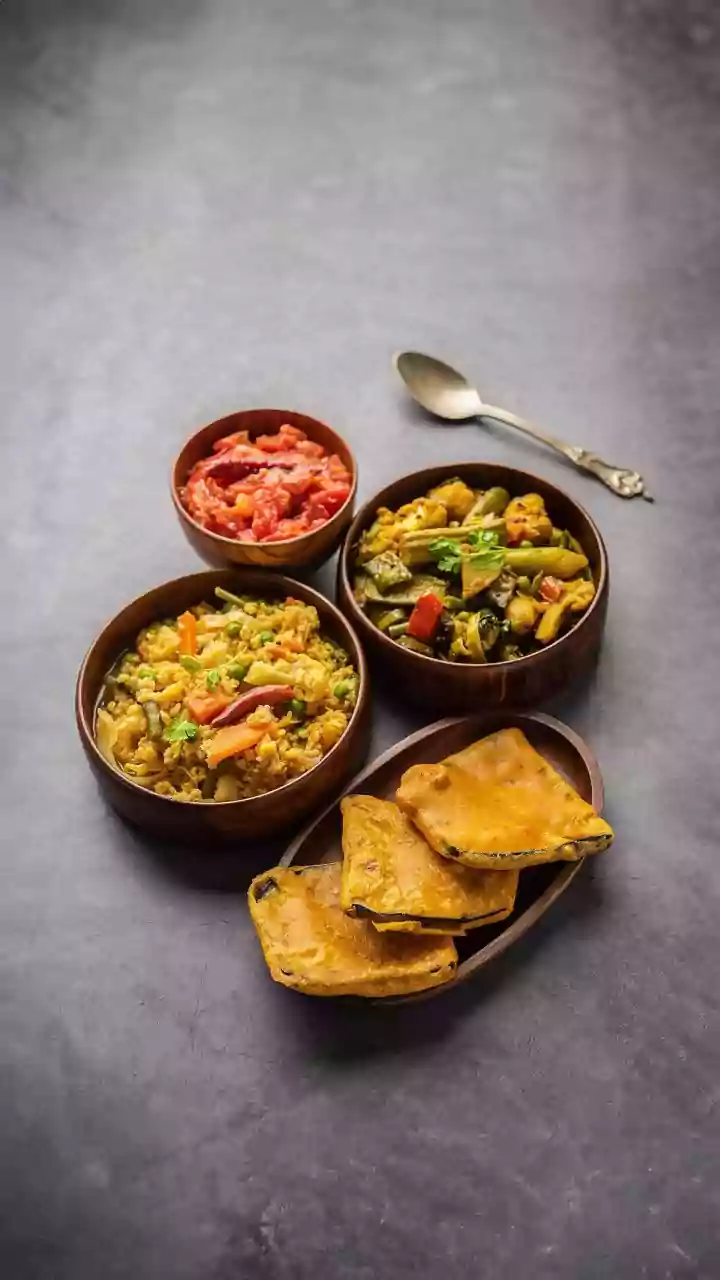
or thali, isn't just one dish; it's a complex, balanced symphony of lentils (dal), vegetables (sabzi), bread (roti), rice, yogurt (raita), and pickles. Preparing this daily requires immense time, skill, and labor—a responsibility that has historically fallen to women. This model, built on the foundation of single-income households and multi-generational family structures, is now clashing with the realities of 21st-century urban life.
The Convenience Revolution
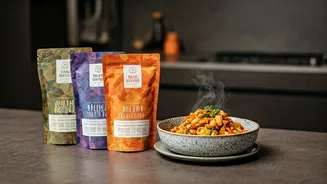
As millions of young Indians flock to bustling cities like Mumbai, Bangalore, and Delhi for education and careers, the traditional kitchen model is breaking down. Dual-income couples, single professionals, and students simply don’t have the four hours a day required for scratch cooking. This has ignited a multi-billion dollar convenience boom. It's not about bland TV dinners. Instead, an ecosystem of sophisticated startups has emerged. Companies like iD Fresh Food sell ready-to-cook dosa and idli batter that tastes homemade. Licious offers pre-marinated, high-quality meats ready for the pan. Food delivery giants Zomato and Swiggy have moved beyond restaurant delivery, now offering grocery services that promise staples in under 10 minutes. This isn't laziness; it's a pragmatic response to a new economic and social reality.
Redefining 'Healthy' on Indian Terms
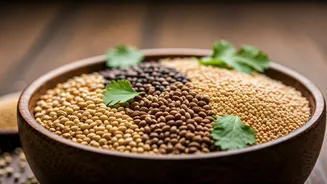
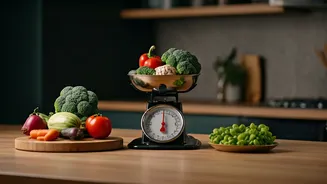
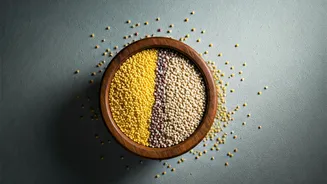
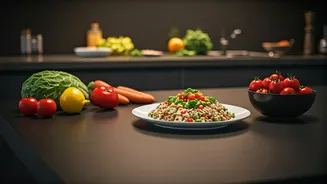
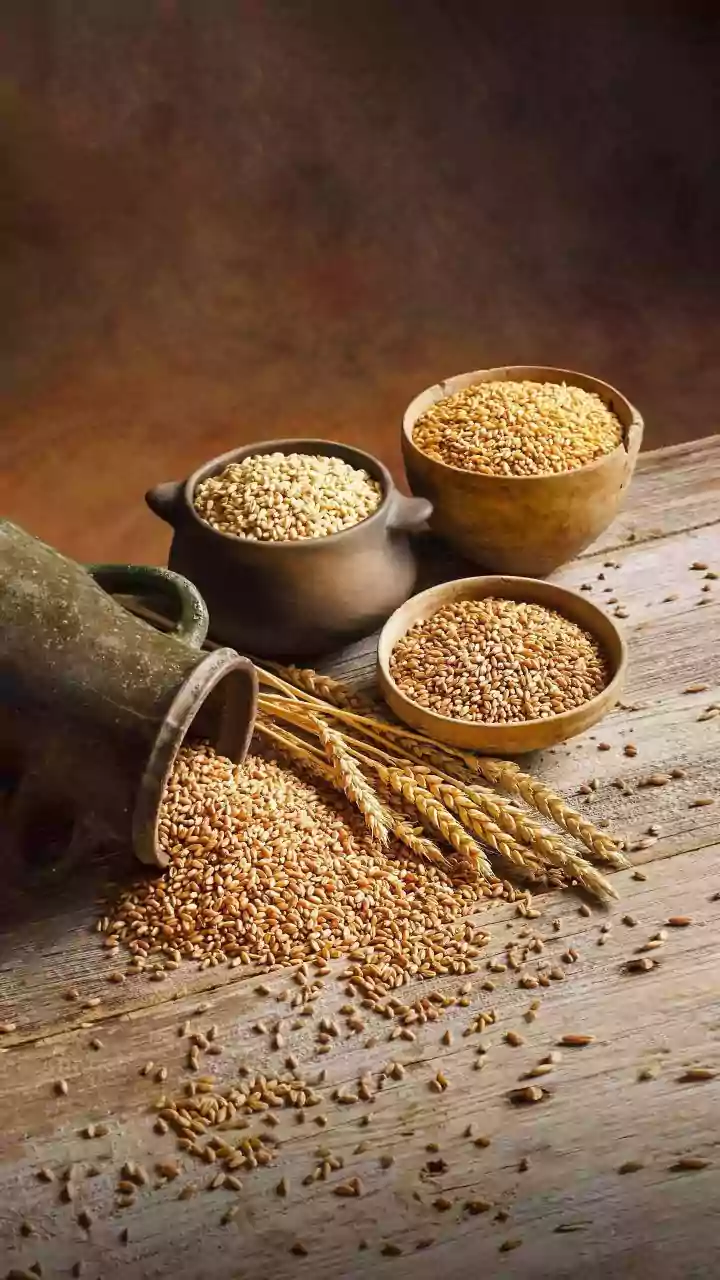
Alongside the demand for convenience is a surging consciousness around health and wellness, or “balance.” For decades, “Western” was often synonymous with “unhealthy” (think fried chicken and sugary sodas). But now, a distinctly Indian wellness movement is taking shape. It’s not just about calorie counting. It's about clean labels, organic ingredients, and a return to ancient grains. Millets, a hardy and nutritious grain once seen as “poor man’s food,” are now being rebranded as a superfood and appearing in everything from breakfast cereals to cookies. Sugar is being replaced with natural jaggery. Cold-pressed juices are ubiquitous. Consumers are demanding transparency, and brands are responding with products that offer the health benefits of a traditional diet without the time commitment.
Taste Without Compromise
The final, and perhaps most crucial, piece of the puzzle is taste. Early attempts at ready-to-eat Indian food failed because they couldn't replicate the complex, region-specific flavors of home cooking. A packaged butter chicken that tastes generic will be rejected instantly by a palate accustomed to a grandmother’s secret spice blend. Today’s successful brands have cracked the code. They use advanced food technology, like high-pressure processing, to preserve freshness and flavor without artificial preservatives. They focus on regional authenticity, offering specific dishes from Chettinad, Bengal, or Punjab rather than a generic “curry.” The goal is not to replace the taste of home, but to provide a shortcut to it that feels genuine and satisfying.