

The Hidden Tax on 'More Space'
Let’s get the obvious out of the way: a bigger apartment costs more in rent. But that’s just the cover charge. The real financial drain is everything that comes after. A larger footprint demands more furniture to fill it, bigger rugs to cover the floors,
and more art to adorn the walls. Suddenly, you’re not just paying for space; you’re on a mandatory shopping spree to make it feel less like a cavernous echo chamber. Then come the utilities. Heating and cooling an extra 200 or 300 square feet isn’t free. It’s a recurring monthly cost that compounds over the life of your lease. This “space tax” quietly siphons away the money you could be putting toward savings, paying down debt, or spending on experiences that actually enrich your life. A smaller apartment, by contrast, puts a natural cap on consumption. You buy less because you have to, and you save more because you’re not servicing empty air.
The Mental Weight of a Bigger Footprint
Every square foot you rent is a square foot you have to clean, maintain, and manage. A sprawling apartment can quickly become a psychological burden. The spare room becomes a graveyard for forgotten hobbies and impulse buys. The extra closets fill with things you haven't touched in years. This isn't just clutter; it's a constant, low-grade hum of responsibility in the back of your mind. It’s a visual to-do list that never gets shorter. Living in a smaller, well-organized space forces intentionality. You own things that serve a purpose or bring you genuine joy, because there’s no room for anything else. The result is a calmer, more controlled environment. Less time spent cleaning, less time spent organizing, and less mental energy wasted on managing your possessions means more time and energy for yourself, your relationships, and your passions.
Unlocking the Power of Smart Design
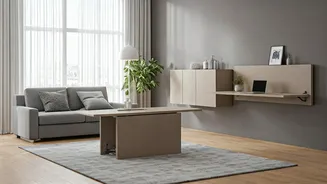
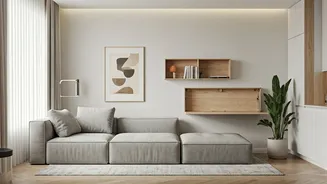
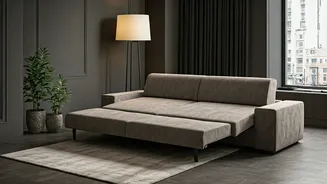
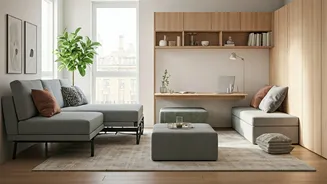
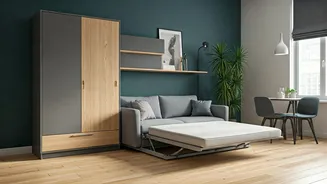
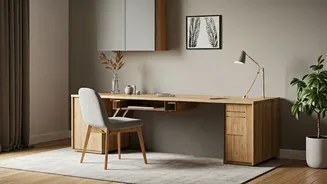
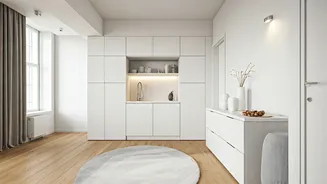
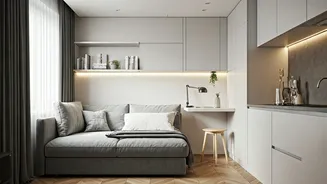
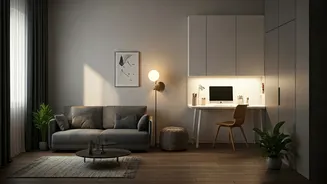
The headline's key isn't just 'small space'—it's 'space-saving design.' This is where the magic happens. Modern design has solved the small-apartment puzzle. We’re living in a golden age of multi-functional furniture. A coffee table that lifts to become a dining table. An ottoman with hidden storage. A bed that folds into the wall to reveal a desk. These aren't clunky contraptions from a 1950s sitcom; they are sleek, ingenious pieces that allow a 600-square-foot studio to function like an apartment twice its size. By investing in a few smart pieces, you’re buying functionality, not just footprint. It’s about using your vertical space with clever shelving and thinking in terms of zones rather than rooms. A thoughtfully designed small apartment feels abundant and resourceful, while a poorly utilized large one feels empty and wasteful. The former is a testament to clever living; the latter is just a bigger box.
Buying Freedom, Not Square Footage
Ultimately, the choice between a large, expensive apartment and a smaller, well-designed one is a question of priorities. What are you really buying with your money? One path leads to more space to house more stuff. The other leads to more freedom. The hundreds of dollars saved each month on rent and utilities can become a travel fund, an investment portfolio, or the seed money for a side hustle. It’s the freedom to quit a job you hate without panicking about an exorbitant rent payment. It’s the flexibility to say yes to a spontaneous weekend trip. When you optimize for life experiences over square footage, your home becomes a launchpad for your life, not a container for it. You stop seeing your apartment as a status symbol and start seeing it for what it is: a safe, comfortable, and efficient base of operations for a life lived out in the world.