


More Than Just Weather
To understand India's 'rain menus,' you first have to understand the monsoon. It's not just a weather pattern; it's a cultural and emotional event. After months of searing, oppressive heat, the arrival of dark clouds and cool winds is a profound relief.
The monsoon is the subject of poetry, the backdrop for countless Bollywood film sequences, and a powerful symbol of renewal and romance. It changes the landscape from dusty brown to vibrant green and, just as dramatically, it changes what people want to eat. The shift is visceral. As the temperature drops, the desire for cool salads and light curries evaporates, replaced by an urgent need for something hot, fried, and deeply satisfying.
The Holy Trinity of Monsoon Snacks
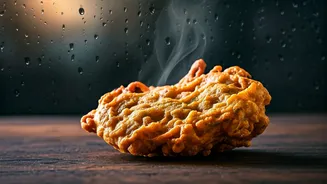
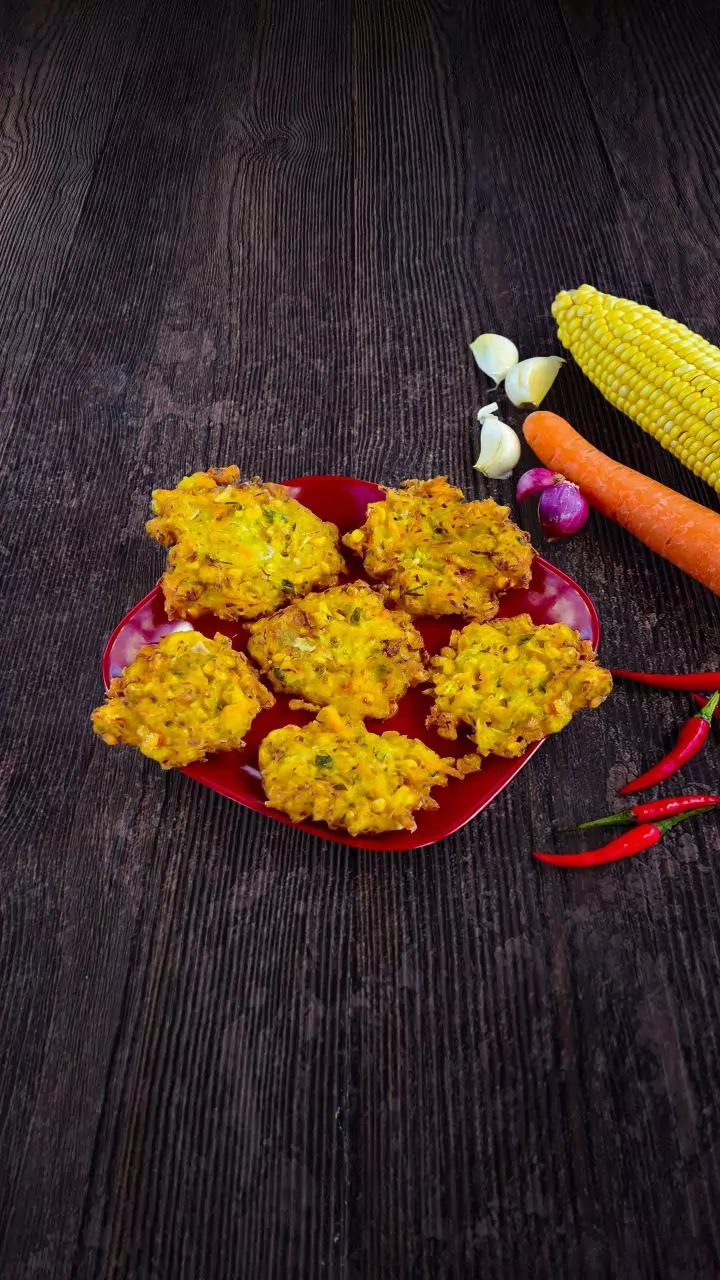
At the heart of this craving are a few humble classics, a holy trinity of rainy-day foods. First, there are *pakoras*: assorted vegetables or paneer dipped in a spiced chickpea flour batter and deep-fried until golden and crisp. Eaten steaming hot, often with a sweet and tangy tamarind chutney, they are the quintessential monsoon snack. Then there’s *bhutta*, or roasted corn on the cob. Sold by street vendors, the corn is cooked over glowing coals until charred and smoky, then rubbed generously with salt, chili powder, and a slice of lime. Its rustic, earthy flavor is inseparable from the season. And to wash it all down? A steaming cup of *masala chai*, milky tea brewed with warming spices like cardamom, ginger, and cloves. This combination is more than a meal; it's a ritual, a shared experience that cuts across class and region.
From the Street to the Starred Restaurant
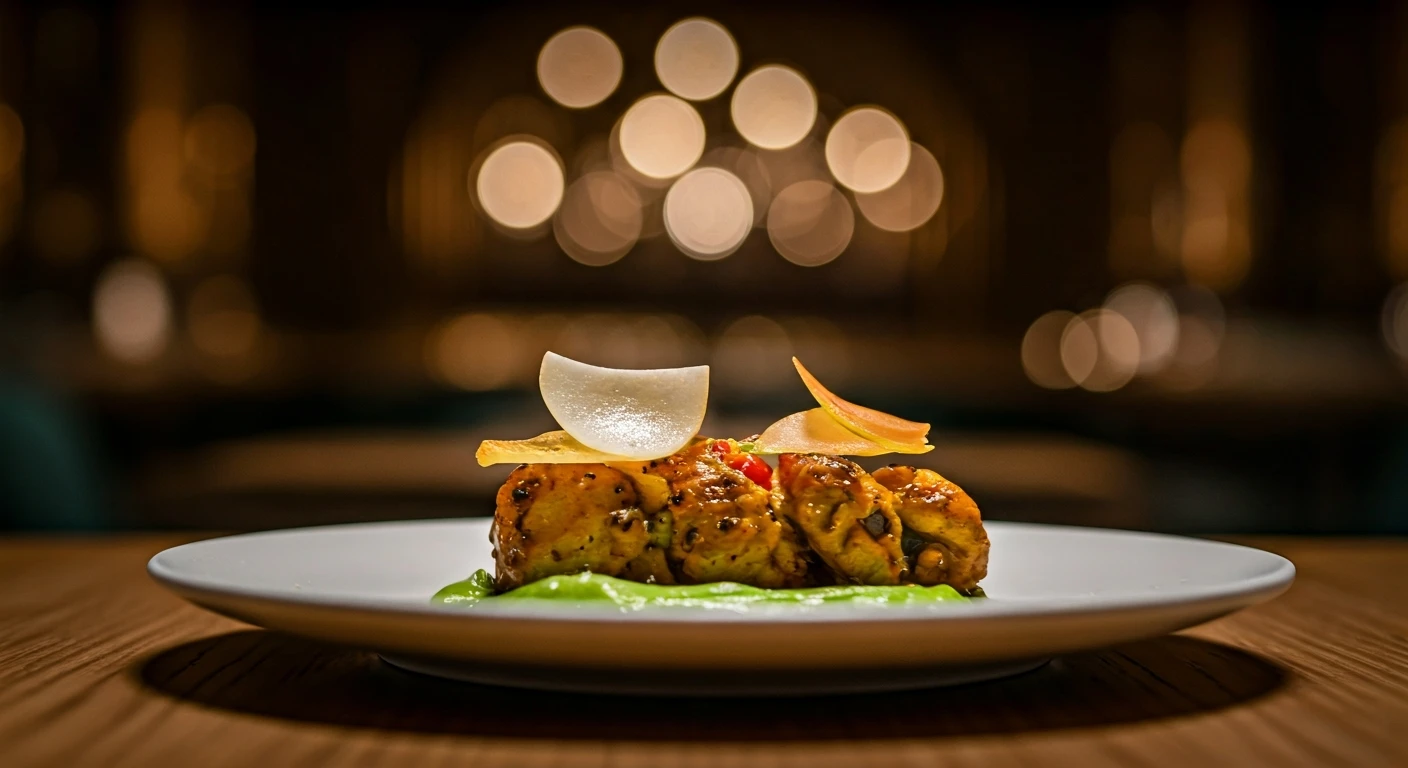
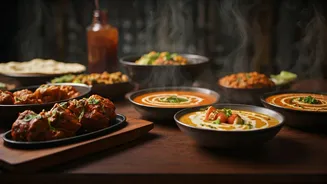
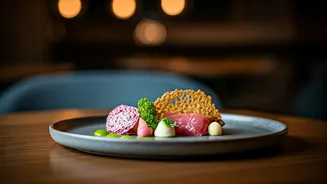
For generations, these treats were the domain of street stalls and home kitchens. But now, a growing number of chefs across India are tapping into this powerful collective memory. Upscale restaurants and chic cafes in cities like Mumbai, Delhi, and Bangalore are introducing special 'monsoon menus' that celebrate—and elevate—these childhood cravings. You might find a 'pakora platter' with unconventional ingredients like broccoli or shrimp, or a deconstructed bhutta served as a sophisticated corn chaat salad. Samosas, another fried favorite, might get a gourmet filling of pulled lamb or quinoa. The goal isn't to replace the original, but to pay homage to it, using culinary technique to evoke the same feeling of comfort and joy in a new, refined context. These menus are a commercial hit, offering diners a taste of nostalgia they are more than willing to pay for.
Selling a Feeling
Ultimately, the success of these rain menus isn't just about the food itself. It’s about what the food represents. That first bite of a hot pakora as thunder rumbles outside isn’t just a sensory pleasure; it's a journey back in time. It recalls memories of sitting by a window with family, of sheltering from a downpour with friends, of the simple, unadulterated joy of being a child. By putting these dishes on their menus, chefs are not just selling a plate of food; they are selling an emotion. They are curating an experience that is deeply personal yet universally understood throughout the subcontinent. It’s a powerful recognition that sometimes, the most sophisticated flavor is the taste of a memory.