


What Is a Smart Garden, Anyway?
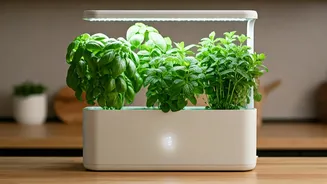
At its core, a countertop garden is a self-contained, soil-free system designed to make growing plants indoors almost foolproof. Most of these compact units use hydroponics or aeroponics. Instead of soil, your plants’ roots are suspended in water (hydroponics)
or misted with a nutrient-rich spray (aeroponics). This method delivers water and food directly to the roots, which can lead to faster growth and healthier plants. The “smart” part comes from automation. These gardens feature built-in, full-spectrum LED grow lights that mimic sunlight and run on an automatic timer, so you never have to worry about whether your plants are getting enough light. They also have systems that alert you when it's time to add more water or plant food, taking all the guesswork out of plant care. You essentially just add water every couple of weeks and watch the magic happen.
The Ultimate Low-Effort Green Thumb
The primary appeal for the self-proclaimed “lazy” gardener is the minimal intervention required. Traditional gardening involves worrying about soil quality, proper drainage, over- or under-watering, finding a sunny spot, and battling pests. A countertop garden eliminates nearly all of these concerns. The process is simple: you pop in a pre-seeded pod (most brands sell pods for everything from parsley to petunias), fill the water reservoir, add a capful of liquid nutrients, and plug it in. The machine does the rest. It provides the perfect amount of light and water, creating an ideal growing environment 24/7. Your only job is to occasionally top up the water and nutrients when the indicator light tells you to—a task that takes less than a minute. This “set it and forget it” nature is what transforms a notorious plant killer into a successful home farmer.
From Cocktail Garnishes to Salad Greens
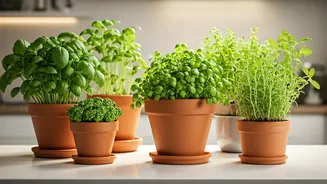
Don’t mistake these compact gardens for a novelty item that can only sprout a few sad sprigs of parsley. Modern units can produce a surprising bounty. The most popular use is for a year-round supply of fresh herbs. Imagine snipping fresh mint for mojitos, cilantro for tacos, or dill for salmon, all from your own kitchen, even in the middle of winter. Beyond herbs, many systems are powerful enough to grow salad greens like lettuce and arugula, offering you a steady supply for daily lunches. You can also grow small vegetables like cherry tomatoes and chili peppers, or even edible flowers to elevate your plating game. It’s a small-scale farm-to-table experience that brings flavor and vibrancy into your home with almost zero agricultural skill required.
A Few Things Before You Buy
While they are wonderfully simple, there are a few practicalities to consider. First is the initial cost, which can range from under a hundred dollars for a small herb unit to several hundred for a larger, vegetable-producing model. You’ll also need to factor in the ongoing cost of seed pods and nutrients, though many users find it comparable to buying fresh herbs at the grocery store. Second, the LED lights are bright. Very bright. You’ll want to place your garden somewhere in your kitchen or home where a powerful light shining for 16 hours a day won’t be disruptive. Finally, most units have a small water pump that emits a gentle hum. While usually quiet, it’s something to be aware of if you’re sensitive to background noise. For most, however, these minor considerations are far outweighed by the benefits.