







A National Moment of Zen
What was once a niche spiritual practice has blossomed into a full-blown American cultural phenomenon, and nowhere is this more visible than on International Day of Yoga. Celebrated annually on June 21st, the event now draws massive crowds in cities across
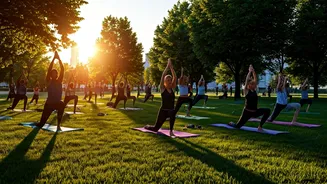
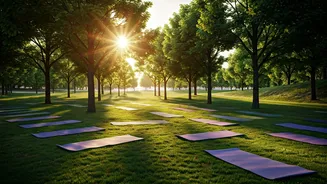
the country. The most iconic of these gatherings takes place in New York City's Times Square, where thousands of participants flow through sun salutations under the glare of digital billboards—a striking visual metaphor for finding calm amid chaos. But the excitement isn't limited to Manhattan. Similar events, both large and small, pop up in city parks, on state capitol lawns, and in community centers from California to Florida. This isn't just a day for seasoned yogis; it’s an open invitation for beginners, the curious, and anyone looking for a moment of collective stillness in a relentlessly fast-paced world. The sheer scale and public nature of these events signal that yoga is no longer on the fringes of American wellness; it's at the very heart of it.
From Ancient Roots to American Main Street
Yoga's journey to the American mainstream is a story of slow, steady integration. While its philosophical roots stretch back thousands of years in India, its widespread adoption in the U.S. is a more recent story. Early introductions in the late 19th and early 20th centuries were largely confined to intellectual and spiritual circles. It wasn't until the counter-culture movement of the 1960s and 70s that the physical practice, or *asana*, began to gain a foothold. Instructors began packaging yoga not just as a spiritual discipline but as a unique form of physical fitness. Studios opened, celebrity adherents shared their experiences, and the wellness boom of the 1980s and 90s provided the perfect environment for it to flourish. Today, yoga has shed its esoteric image and is as common an American pastime as jogging or going to the gym. It's a multi-billion dollar industry, a staple of corporate wellness programs, and a subject taught in schools.
A Practice for Every Body
Part of yoga's enduring appeal is its remarkable adaptability. The American approach to yoga is one of innovation and inclusion, creating a version of the practice for virtually everyone. The stoic, silent ashram has been joined by the high-energy, music-pumping hot yoga studio, the playful chaos of goat yoga, and the restorative calm of aerial yoga. For those who can't make it to a studio, thousands of hours of instruction are available through apps and online platforms. This diversification has been key to its nationwide growth. There's chair yoga for seniors seeking mobility, prenatal yoga for expectant mothers, and trauma-informed yoga for veterans and first responders. By meeting people where they are—physically, financially, and geographically—the practice has built a broad and diverse coalition of followers who might otherwise have felt excluded. This isn't a one-size-fits-all activity; it's a flexible framework that individuals and communities can adapt to fit their specific needs.
Beyond the Physical Postures
While the impressive flexibility and physical strength associated with yoga are often what draw people in, many stay for the profound mental and emotional benefits. In an era marked by digital overload and high-stress environments, the emphasis on mindfulness, breathwork, and being present is more relevant than ever. The practice offers a rare opportunity to disconnect from external stimuli and connect with oneself. This aspect has become a major driver of its popularity, particularly in the post-pandemic landscape where mental health and stress reduction are top priorities for millions of Americans. The act of linking breath to movement serves as a form of moving meditation, proven to calm the nervous system and reduce levels of the stress hormone cortisol. For many, the yoga mat is not just a place to stretch the body; it's a sanctuary to quiet the mind.