



Why Wood, Why Now?
The resurgence of wood isn't just a fleeting trend; it’s a response to our increasingly digital lives. Interior design experts point to the principles of biophilic design—the idea that humans have an innate need to connect with nature. In a city apartment,
where green space is a luxury, introducing natural materials like wood can lower stress and create a sense of calm and sanctuary. Unlike cold metals or flat plastics, wood has a tactile quality and visual depth that makes a room feel lived-in and authentic. It’s less about a rustic-cabin aesthetic and more about adding organic warmth to a modern, sophisticated palette.
Start with a Statement Piece
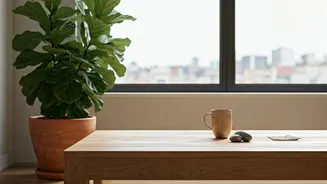
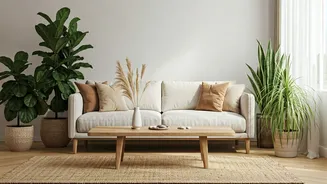
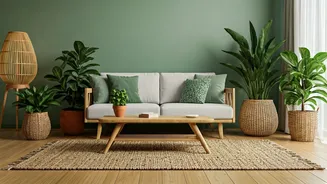
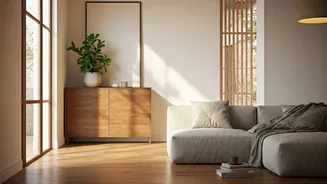
The easiest way to make a significant impact is with a single, well-chosen piece of furniture. For urban living rooms, where square footage is precious, functionality is key. Look for a media console in a warm walnut or a coffee table made from reclaimed oak. A live-edge table, with its raw, natural contours, can serve as a stunning focal point that contrasts beautifully with a clean-lined sofa. When selecting a large piece, consider the room's light. Lighter woods like ash, maple, or white oak can make a small space feel airier, while darker woods like mango or acacia add drama and a sense of cozy intimacy.
Incorporate Vertical Interest
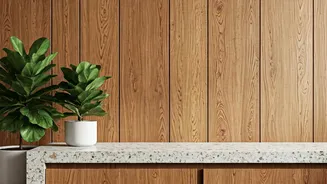
Don’t forget the walls. Vertical wood elements draw the eye upward, creating an illusion of height—a welcome trick in apartments with standard-height ceilings. Fluted or slatted wood paneling is a major trend that adds incredible texture and architectural interest behind a TV or sofa. For a less permanent option, consider tall, open-backed wooden bookshelves that provide storage without visually closing off the space. Even simpler, a set of floating shelves in a rich, grainy wood can be a perfect perch for plants, books, and art, turning a blank wall into a curated display of natural texture.
Layer in Smaller Accents
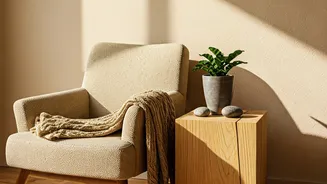
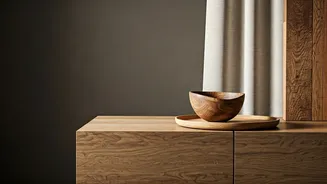
Upgrading with wood doesn't require a huge budget or a complete overhaul. The beauty of this trend lies in its scalability. Start small by layering in wooden decor and accents. Swap out generic plastic or metal items for their wooden counterparts. Think of a large carved wooden bowl on the coffee table, a set of stacked wooden trays, or picture frames made from distinctive grains. A sculptural table lamp with a wooden base or even a collection of decorative spheres in different wood tones can add subtle, earthy elegance. These small touches work together to build a cohesive, warm environment without overwhelming the space.
Mix and Match for a Modern Look
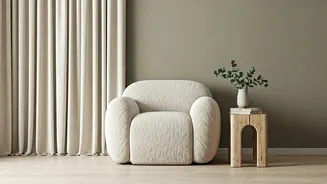
The key to making wood feel contemporary—and not like a 1970s ski lodge—is to mix it with other materials. The contrast is what creates visual excitement. Pair a smooth wood coffee table with a plush boucle armchair. Set a raw, grainy wood console against a painted brick wall. Combine wooden elements with accents of black metal, brushed brass, or cool marble. This interplay of hard and soft, smooth and rough, natural and manufactured is the hallmark of modern urban design. Don’t be afraid to mix different wood tones, either. A light oak floor, a walnut chair, and an ebonized side table can coexist beautifully as long as they are linked by a consistent color palette in the rest of the room's textiles and paint.