


The Strategic Summer Vegetable
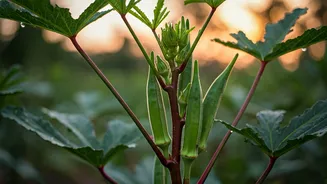
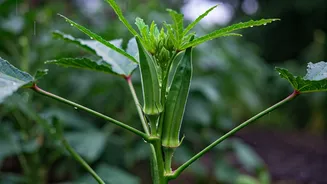
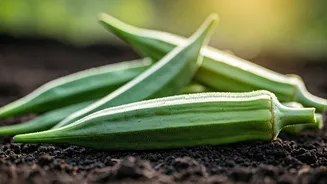
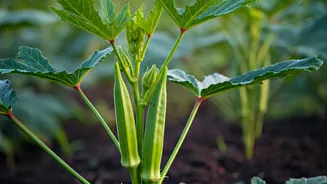
Enter okra, the unsung hero of the hot-weather garden. This Southern staple doesn't just tolerate the heat; it thrives in it. But its real genius lies in its ability to serve as a perfect partner for the volatile weather of early summer. While many gardeners
wait for clear skies, the savvy planter looks at the forecast, sees a stretch of rain on the horizon, and reaches for a packet of okra seeds. Why? Because planting just before a good soaking is like giving your garden a head start in a marathon. The impending rains offer a free, deep, and consistent watering that is far more effective than anything you can do with a hose.
Why Speed Is Everything
The key to this strategy is the “fast-germinating” part of the equation. Okra seeds are notorious for their tough outer coating, which can sometimes lead to slow or uneven sprouting. But choosing a variety known for its speed, and perhaps giving the seeds a little help, changes the game. When a seed sprouts quickly, it can establish a tiny root system before the deluge. This initial anchor is crucial. A fast start means the seedling is less likely to be washed away by a downpour or rot in soggy soil. Instead, the established plant is ready to drink up all that moisture and convert it into explosive growth. Slow-germinating seeds, on the other hand, might sit in waterlogged soil for too long, becoming unviable.
Choosing Your Champion Varieties
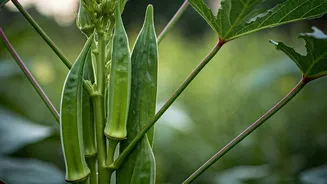
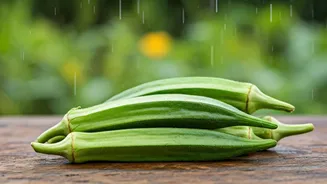
Not all okra is created equal when it comes to germination speed. If you’re trying to beat the rains, look for proven, reliable performers. 'Clemson Spineless' is the undisputed classic for a reason; it’s productive, dependable, and germinates relatively quickly. 'Annie Oakley II' is a popular hybrid known for its compact size—perfect for smaller gardens—and its fast maturation. For those looking for a splash of color, 'Burgundy' offers beautiful deep-red pods and also boasts a reliable germination rate. Soaking any of these seeds in warm water for 12 to 24 hours before planting can help soften the seed coat and shave a day or two off the sprouting time, further stacking the deck in your favor.
The Pre-Rain Planting Method
When your local forecast shows a few days of rain coming up, it’s time to act. First, ensure your soil is warm enough—okra needs soil temperatures of at least 65°F to germinate properly. This is rarely an issue in the transition to summer, but a soil thermometer can provide peace of mind. Prepare your garden bed in a spot that gets at least six hours of full sun. Plant your pre-soaked seeds about one inch deep and six inches apart in rows. You can thin them out to about 18 inches apart later, once you see which plants are the strongest. Don't water them in heavily; you're just getting them settled before the main event. Let the coming rain do the heavy lifting.
Let Nature Take the Wheel
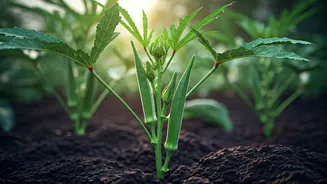
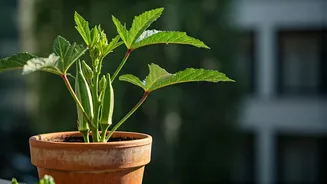
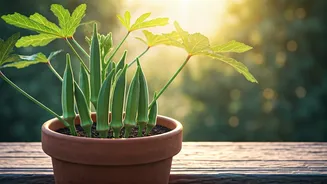
This is the best part: you get to relax. Once the seeds are in the ground, your work is mostly done for the first critical week. The rain will provide the consistent moisture needed for the seeds to swell and sprout. The deep watering encourages the young taproot to dig down, creating a drought-resistant plant for the hot, dry spells that will inevitably follow in July and August. You’ve effectively outsourced the most tedious part of seed starting—the daily watering and worrying—to the weather. As the sun returns, you’ll be greeted by rows of sturdy green seedlings, perfectly positioned to become prolific producers all summer long.