




An Invitation from the Himalayas
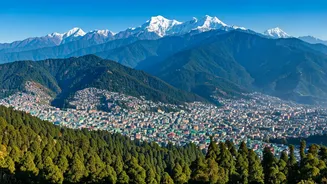
Each May, as spring firmly takes hold across the mountains, Sikkim’s capital city of Gangtok comes alive. The Sikkim Summer Festival is less a single, ticketed event and more a city-wide celebration of everything that makes this former Buddhist kingdom
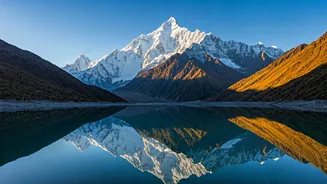
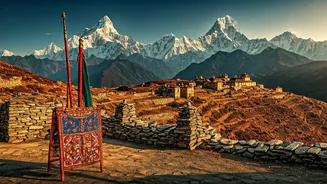
so unique. For American travelers weary of Europe’s summer crowds or the familiar rhythm of Caribbean resorts, this festival offers something increasingly rare: genuine cultural immersion. It’s a chance to step into a world where ancient traditions meet breathtaking nature, all set against the backdrop of the world's third-highest peak, Kangchenjunga. The air is crisp, the people are welcoming, and the entire region seems to put its best foot forward.
More Than Just a Flower Show
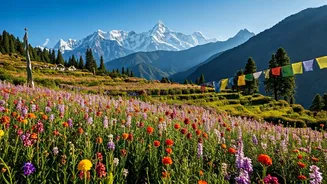
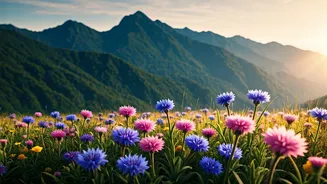
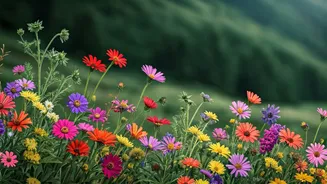
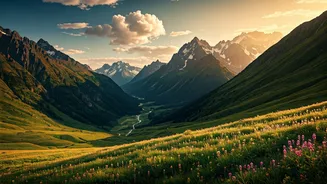
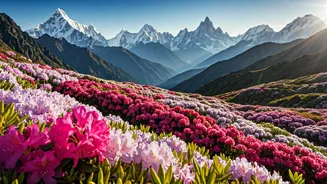
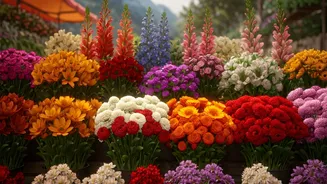
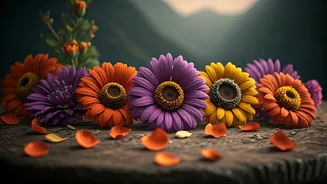
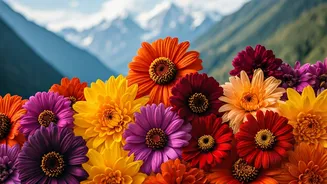
At the heart of the festival is a legendary flower exhibition. Sikkim is a biodiversity hotspot, home to over 5,000 species of flowering plants, including more than 500 species of orchids and 35 species of rhododendrons that paint the hillsides in shades of red, pink, and white. The festival showcases this botanical wealth in spectacular fashion. But to call it just a “flower show” is a massive understatement. It’s a living museum of the Himalayas' fragile and beautiful ecosystem. Walking through the exhibition feels like a journey through the region’s hidden valleys, with each bloom telling a story of altitude, climate, and the delicate balance of mountain life.
A Taste of the Organic State
Sikkim isn't just beautiful; it's a pioneer. In 2016, it became India's first—and the world’s first—fully organic state, banning chemical fertilizers and pesticides. The Summer Festival is the perfect place to taste the results. Food stalls pop up across Gangtok, serving up authentic local cuisine that is as fresh as it gets. You can’t leave without trying momos, the region’s ubiquitous steamed dumplings filled with vegetables or meat, served with a fiery dipping sauce. Another staple is thukpa, a hearty noodle soup perfect for the cool mountain evenings. You’ll also find dishes made from fermented greens (gundruk) and local cheese (chhurpi). It’s clean, flavorful, and deeply connected to the land.
Culture on Full Display
The festival is a vibrant stage for Sikkim’s rich cultural tapestry, a blend of Lepcha, Bhutia, and Nepali traditions. Throughout the week, you can witness traditional folk dances and energetic masked performances (chaams) that are typically performed in monasteries. These dances aren’t just for tourists; they are living rituals that tell stories of gods, demons, and the triumph of good over evil. The music, costumes, and choreography offer a window into the state’s deep-rooted Buddhist heritage. It’s an auditory and visual feast that feels a world away from a polished stage show, providing a raw and authentic glimpse into the soul of the Sikkimese people.
The Gateway to Himalayan Adventure
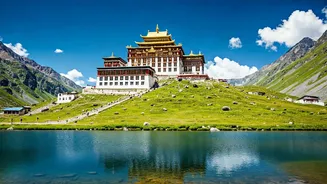
While the festival is centered in Gangtok, it also serves as the perfect launchpad for exploring the wider region. May and June offer some of the clearest skies for mountain viewing and ideal conditions for adventure. You can take a day trip to the serene Tsomgo Lake, perched at over 12,000 feet, or visit the magnificent Rumtek Monastery, one of Tibetan Buddhism’s most important centers. For the more active traveler, the festival buzz can be paired with white-water rafting on the Teesta River or the start of a multi-day trek into the stunning Yuksom-Dzongri trail. The festival gives you a cultural anchor, a place to return to after a day spent marveling at the sheer scale and serenity of the Himalayas.