



The Abode of Clouds
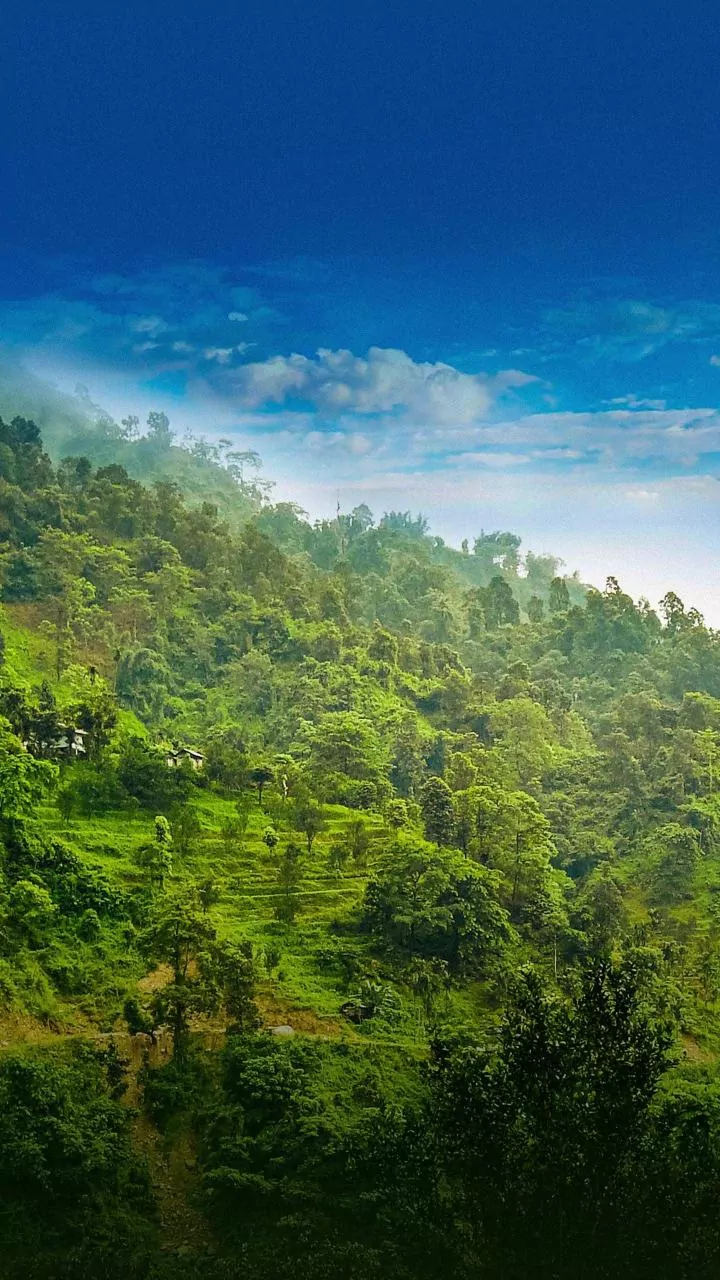
Meghalaya’s name literally translates from Sanskrit to “the abode of clouds,” and it’s a title the state earns every single day. Nestled in the hills of northeast India, this lush, pine-covered landscape acts as a natural barrier for the moisture-heavy
clouds rolling in from the Bay of Bengal. As the clouds are forced upward by the Khasi and Garo hills, they cool and dump their contents in a spectacular, months-long deluge. This isn't your average drizzle. This is the monsoon in its most powerful, life-giving form, turning the entire region into a saturated, emerald-green paradise. While the rest of the world might seek sunshine, travelers who come here between June and October are chasing the storm.
Home to the Planet's Wettest Places
Meghalaya is home to a staggering superlative: it contains what are often cited as the two wettest places on Earth. The villages of Mawsynram and Cherrapunji (also known as Sohra) vie for the title, each receiving an average of over 450 inches of rain annually. To put that in perspective, that's nearly 40 feet of rain—more than Seattle gets in a decade. But this statistic isn’t just trivia; it’s the engine behind the region's magic. The colossal amount of water feeds a landscape of thundering waterfalls, deep caves carved by millennia of flowing water, and a level of green so intense it almost seems unreal. The rain is a constant soundtrack, a percussive rhythm that defines life here.
Walking on Living Bridges
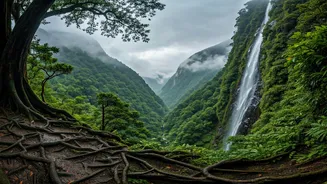
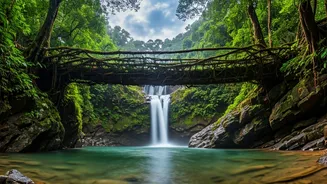
Perhaps the most iconic and otherworldly feature of Meghalaya is its living root bridges. For centuries, the indigenous Khasi and Jaintia peoples have guided the aerial roots of rubber fig trees across rivers and ravines, weaving them together until they form sturdy, living bridges. These are not built, but grown—a breathtaking example of natural engineering and generational patience. Some bridges, like the famous double-decker bridge in Nongriat, are over a century old and can support dozens of people at once. Trekking through the misty forest to walk across one of these moss-covered structures, with a rain-swollen river roaring beneath you, is an experience that feels pulled from a fantasy novel.
A Symphony of Waterfalls
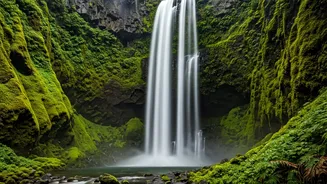
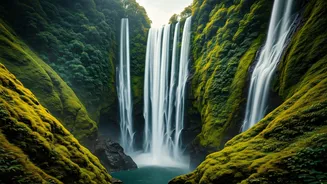
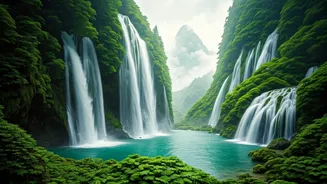
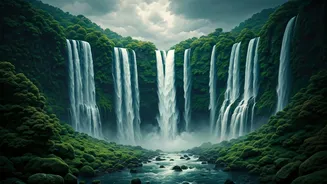
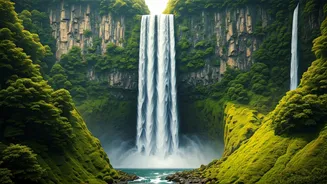
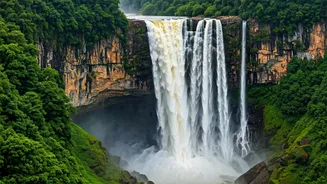
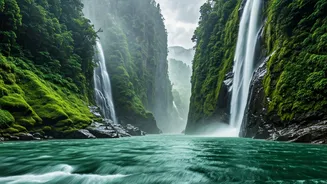
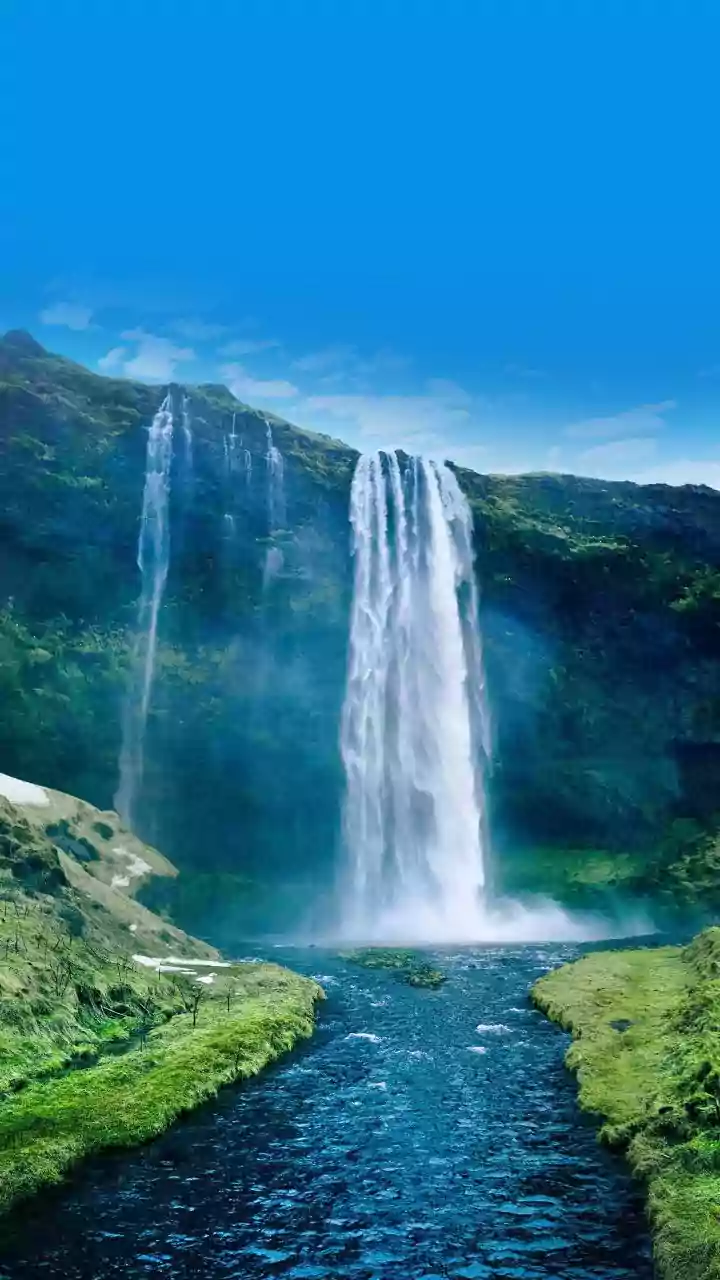
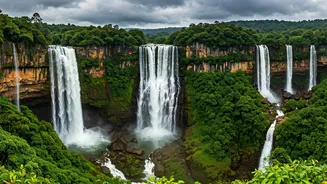
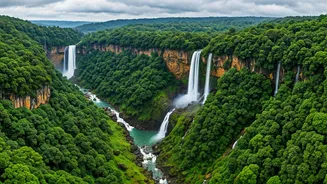
If the monsoon is the concert, the waterfalls are the star soloists. During the dry season, many of Meghalaya's waterfalls are gentle streams. But once the rains arrive, they transform into roaring spectacles. Nohkalikai Falls, one of India’s tallest plunge waterfalls, drops over 1,100 feet from a verdant cliffside, its roar echoing through the valley. The Seven Sisters Falls (Nohsngithiang Falls) is a seven-segmented cascade that stretches across a wide limestone cliff, creating a stunning panoramic display. Exploring the region during monsoon means that around every corner, a new, temporary waterfall might appear, gushing down a mountainside in a fleeting show of force and beauty.
Embracing the Downpour
A trip to Meghalaya during monsoon isn't for the faint of heart, but it's immensely rewarding. It requires proper rain gear, waterproof boots, and a willingness to get wet. The reward is a chance to see a landscape at the peak of its power and vibrancy. Beyond the rain, you'll find a unique matrilineal culture, a delicious local cuisine featuring smoky meats and pungent flavors, and some of the most extensive cave systems in Asia. Visiting Meghalaya in the monsoon is a recalibration of what travel can be. It’s not about escaping the weather; it’s about running headfirst into it and watching the show.