



Not a New Fad, But a Revival
While your TikTok feed might suggest Pilates was invented last year, its roots go back to the early 20th century. Developed by Joseph Pilates, a German physical trainer, the method was originally called “Contrology.” During World War I, he worked with
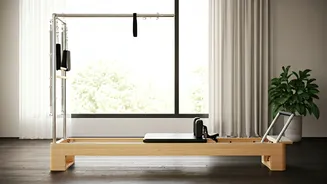
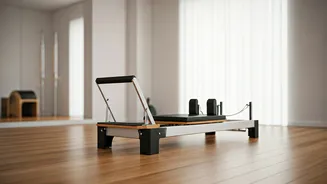
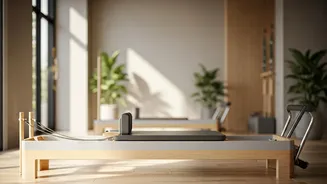
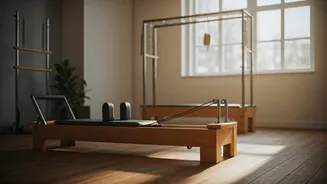
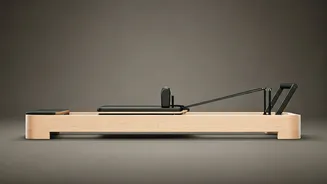
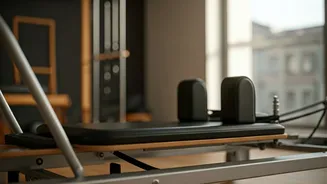
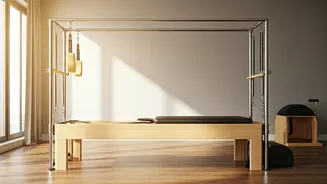
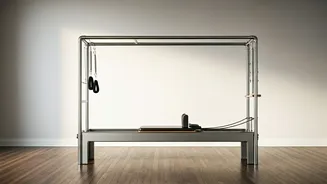
injured soldiers in an internment camp in England, rigging springs to hospital beds to help februari bedridden patients. This foundational idea—using resistance to build strength in a controlled, low-impact way—is the origin of the iconic Reformer machine. After the war, Pilates moved to New York City and opened a studio that quickly became a go-to for the city’s elite dancers, including legends like Martha Graham and George Balanchine. For decades, it remained a well-kept secret among professional athletes and dancers who relied on it for core strength, flexibility, and injury prevention. Its current mainstream popularity isn’t a new phenomenon, but rather a wide-scale discovery of a discipline with a proven, decades-long track record.
The Core of the Matter
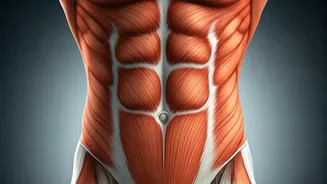
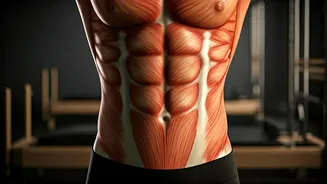
So, what makes it so effective? Unlike workouts that focus on isolated muscle groups or high-impact cardio, Pilates is a full-body system centered on the “powerhouse”—the collection of muscles in your abdomen, lower back, hips, and glutes. The entire method is built on six key principles: concentration, control, center, flow, precision, and breath. This isn’t about mindlessly blasting through reps. Every movement is deliberate and designed to be performed with precision and control, synchronized with your breath. This intense focus turns the workout into a form of moving meditation, demanding a strong mind-body connection. Whether on a mat or a machine like the Reformer, the goal isn't just to build bigger muscles, but to create long, lean, functional strength. This emphasis on form over brute force is what makes it feel so different from other fitness modalities and contributes to its reputation for creating a uniquely toned physique.
From Niche Practice to Viral Sensation
The recent explosion of Pilates can be credited to a perfect storm of factors. The pandemic pushed people toward at-home, low-equipment workouts, and mat Pilates fit the bill perfectly. Simultaneously, a new generation of celebrities and influencers—from Hailey Bieber to Harry Styles—began showcasing their Pilates routines, transforming its image from a niche practice to an aspirational lifestyle. Social media platforms like TikTok and Instagram amplified this, highlighting the sleek aesthetic of Reformer studios and the calm, controlled movements. While the visual appeal certainly drew people in, they stayed for the tangible results. Users reported not just looking better, but feeling better: improved posture from hunching over laptops, relief from chronic back pain, and a sense of mental clarity. The trend provided the introduction, but the method’s substance provided the hook.
A Workout for Almost Every Body
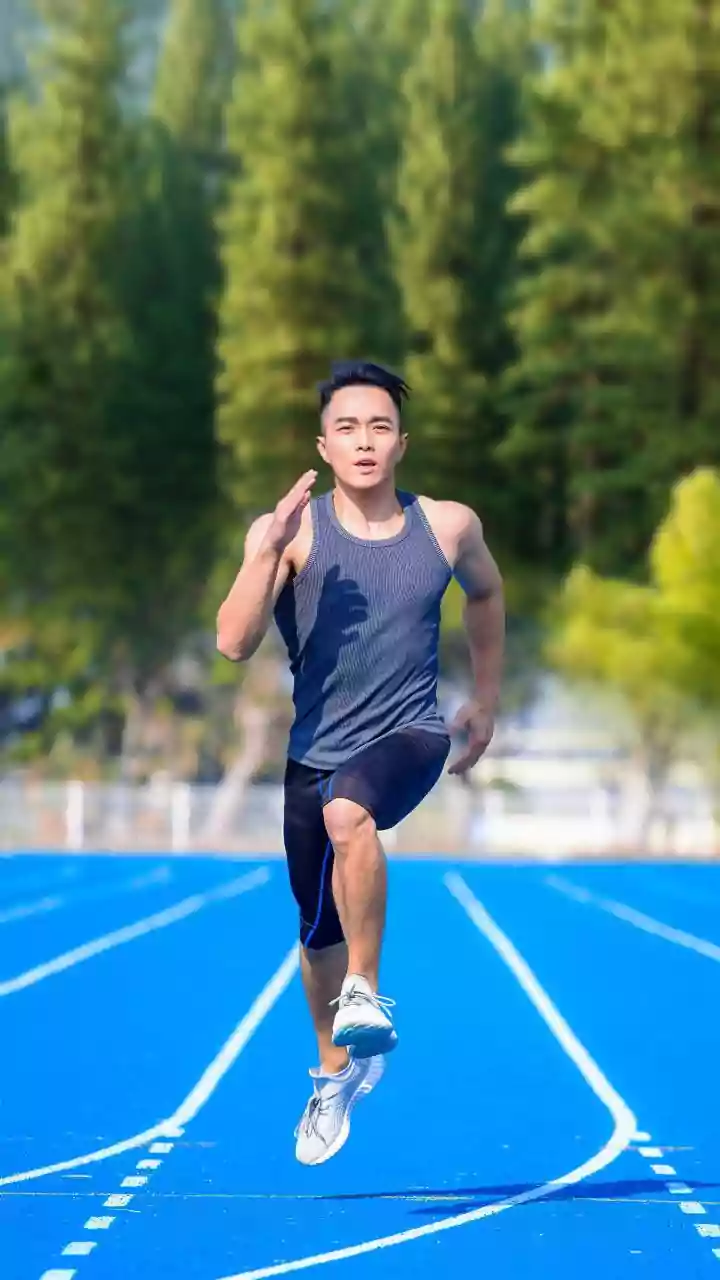
Perhaps the most significant reason for Pilates’ staying power is its profound adaptability. It is famously low-impact, making it accessible to people of all ages and fitness levels, including those recovering from injury, pregnant women, and older adults. The exercises can be modified to be more or less challenging, ensuring that both a professional athlete and a complete beginner can get an effective workout in the same class. This scalability is its superpower. While other intense workout trends can lead to burnout or injury, Pilates is sustainable. It builds a foundation of core stability, improves posture, and enhances mobility—benefits that become more, not less, important as we age. It’s not about short-term transformation but long-term health, a philosophy that resonates deeply in today’s wellness-conscious world. It complements other activities, helping runners run stronger and lifters lift safer, making it a foundational practice rather than a replacement.