


The Vibe: Serenity Over Frenzy
The Goa of December is a global party. Sunbathers pack the shacks from Anjuna to Palolem, scooters clog the lanes, and the nights pulse with the beat of open-air clubs. It’s vibrant and exhilarating. But monsoon Goa offers the opposite and, for many,
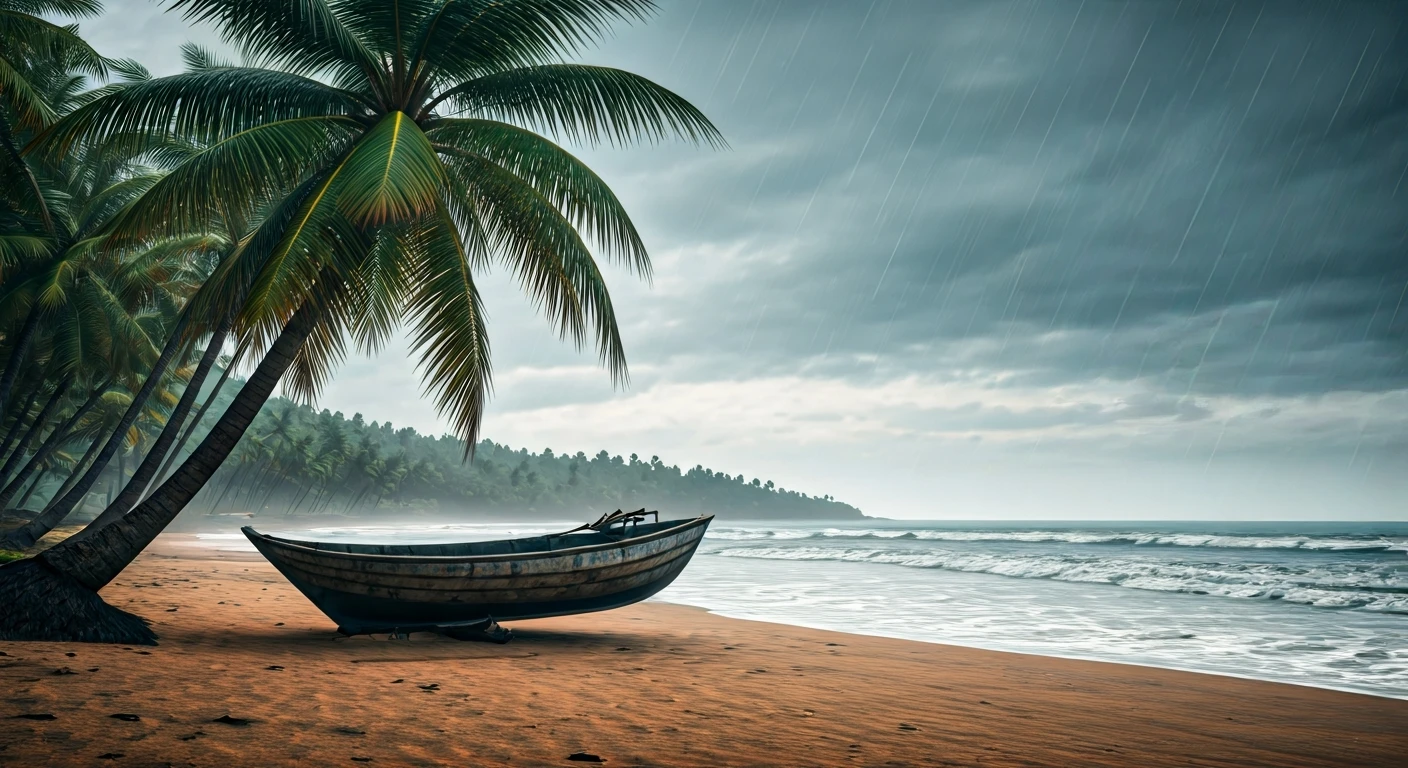
something far more valuable: peace. From June to September, the crowds vanish. The state exhales. The soundtrack changes from electronic music to the rhythmic drumming of rain and the roar of the wind. This is the season for travelers seeking introspection over interaction—a time to curl up with a book in a café overlooking a rice paddy, take long, contemplative walks on deserted beaches, and reconnect with nature and yourself, far from the madding tourist throngs.
The Scenery: A World Washed Anew
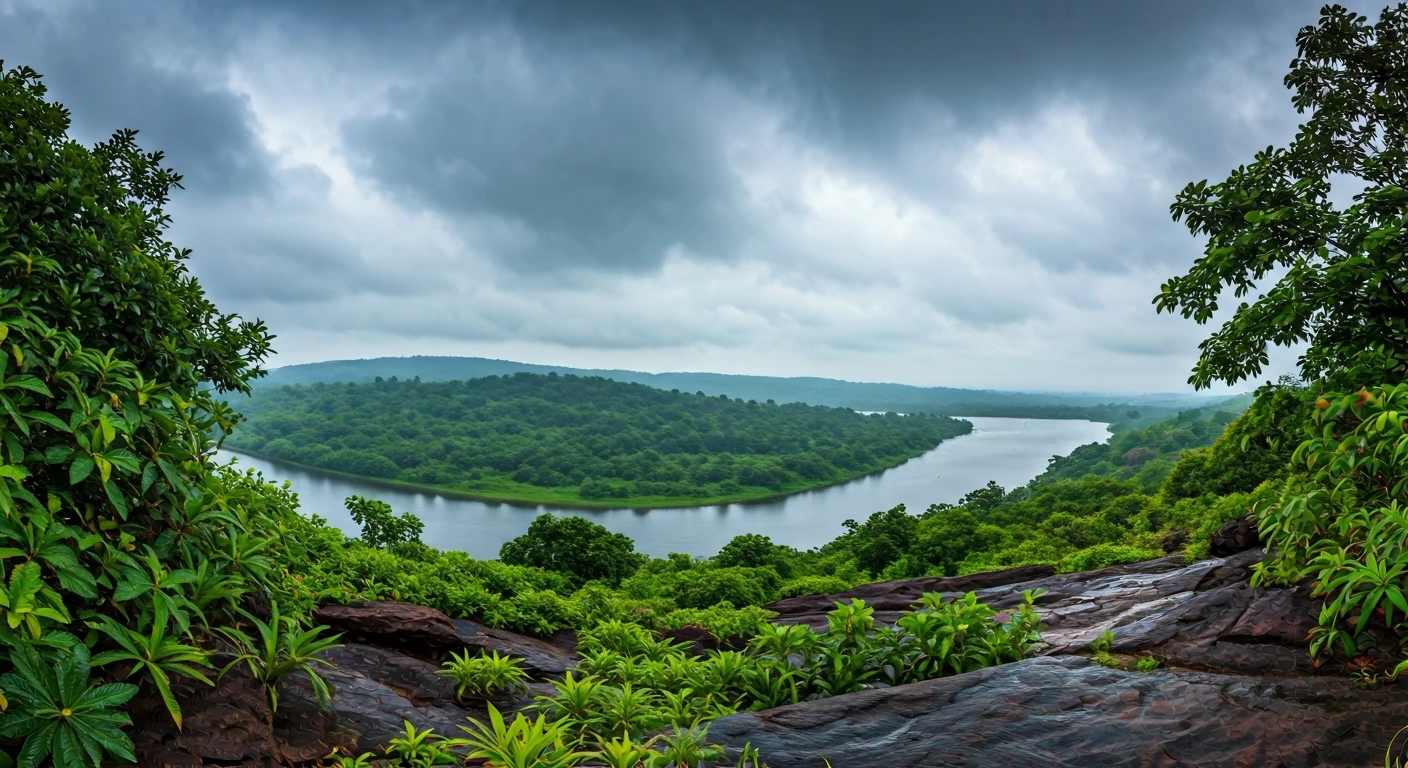
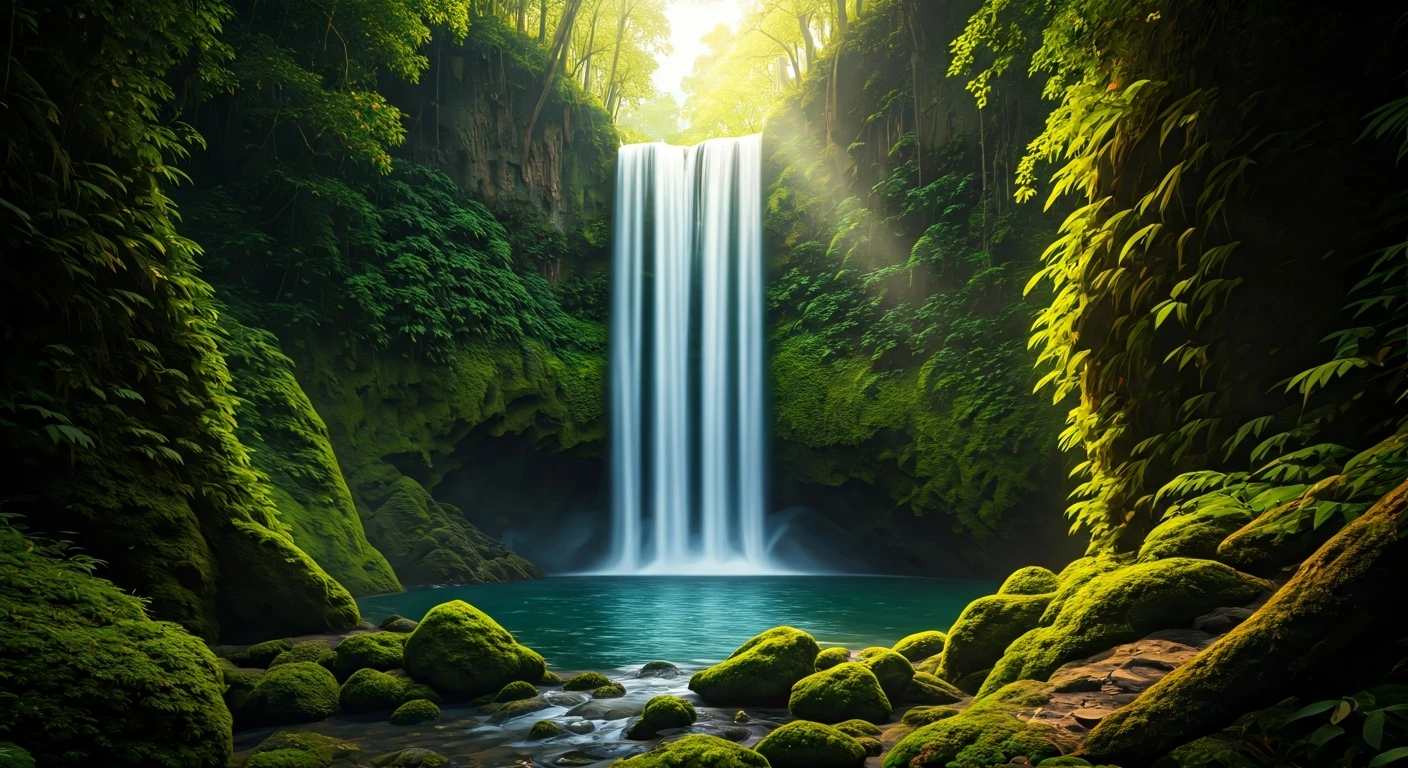
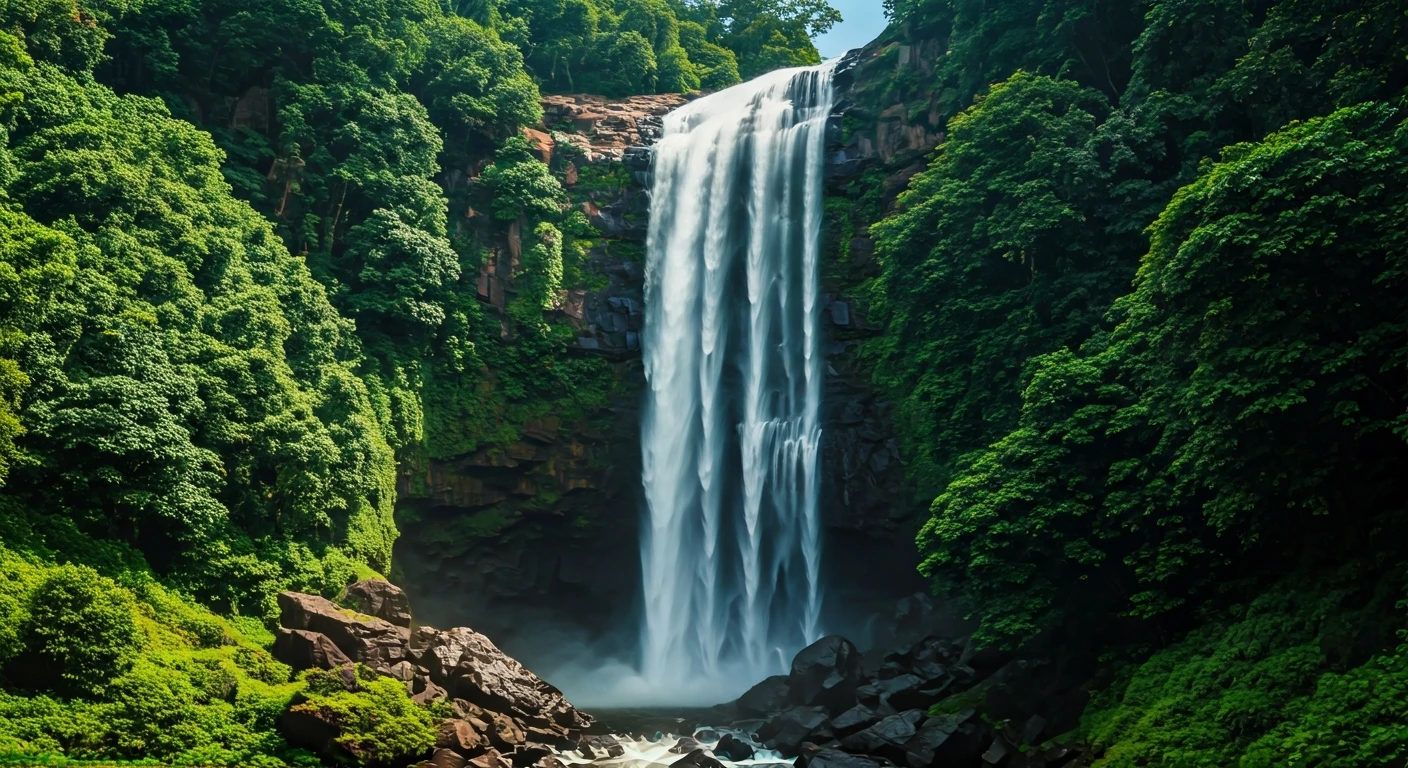
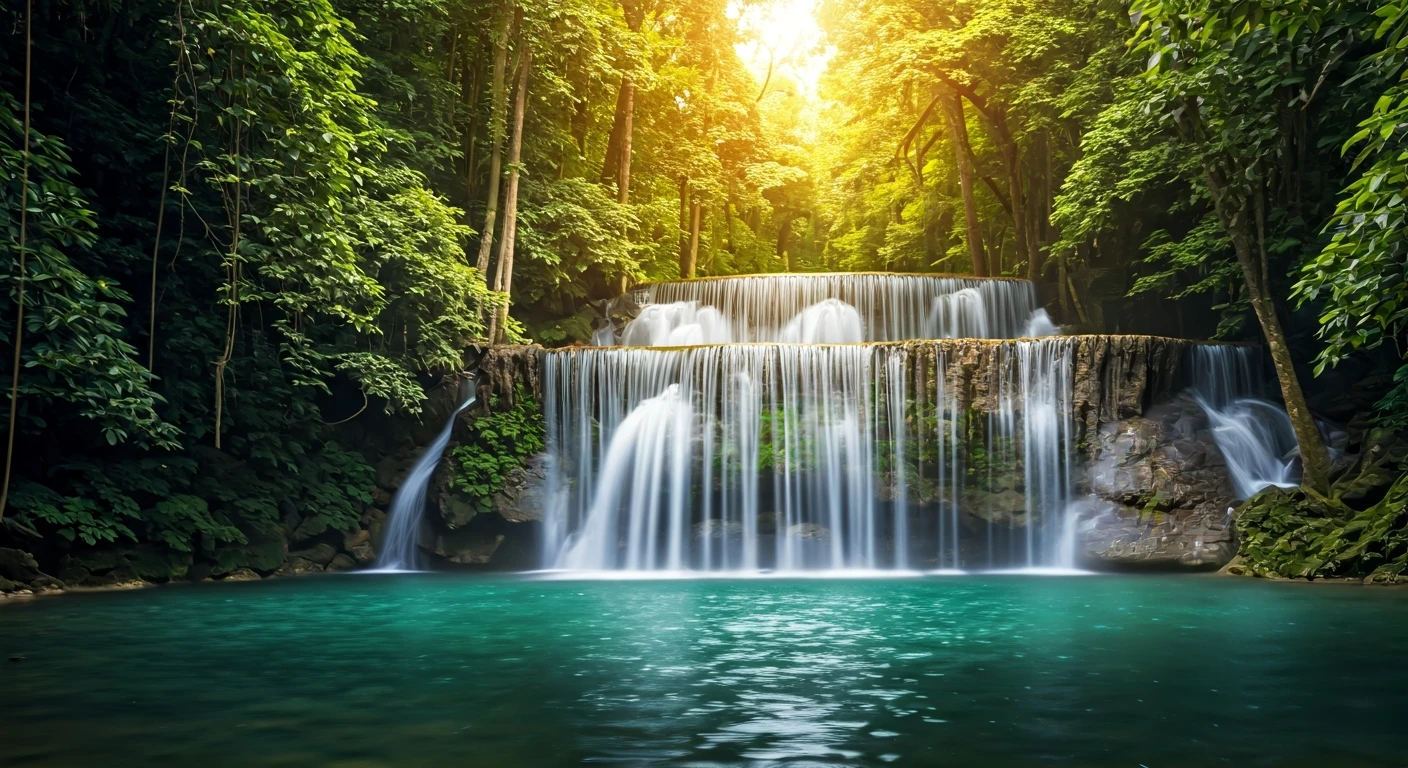
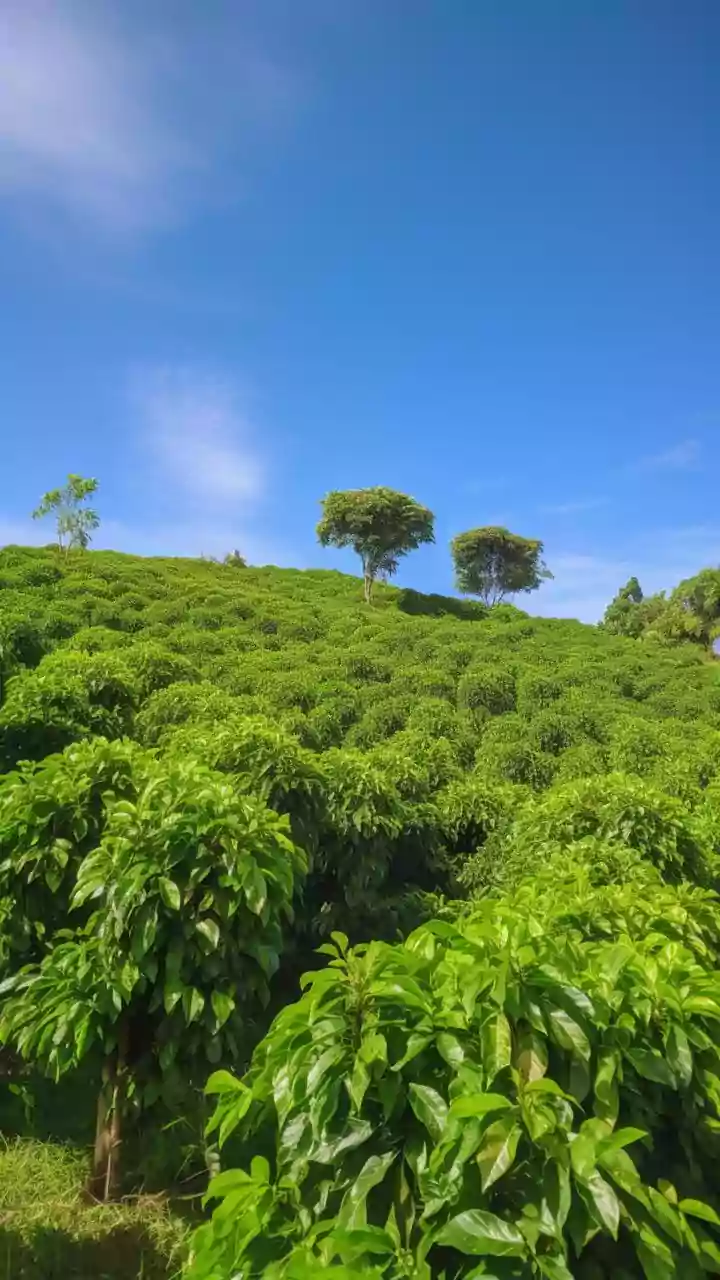
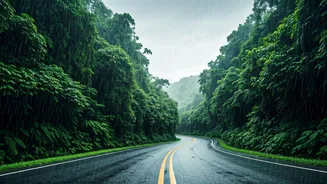
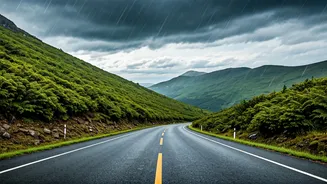
Summer Goa can be dry and dusty, the landscape waiting patiently for rain. Waterfall Goa *is* the rain. The monsoon transforms the entire state into a living jewel box of green. The Western Ghats, which form Goa's eastern border, come alive. Rivers swell, rice paddies become fluorescent, and the waterfalls—the season's main event—are simply spectacular. The famed Dudhsagar Falls, its name meaning “Sea of Milk,” becomes a thundering cascade so powerful it’s hard to approach. But dozens of smaller, more accessible falls dot the landscape, like those at Tambdi Surla and Harvalem. Hiring a scooter and driving through the rain-washed interior, discovering hidden streams and verdant jungles, is an experience the dry season simply cannot offer.
The Activities: From Beach Lounging to Adventure Trekking
Let’s be clear: swimming in the sea during the monsoon is a non-starter. The ocean is rough, red flags are up, and rip currents are a serious danger. Most beach shacks are dismantled and packed away for the season. So, what do you do? You pivot. This is the time for adventure. It's the peak season for white-water rafting on the Mhadei River. It’s the perfect time for hiking through wildlife sanctuaries like Bhagwan Mahavir, where the flora and fauna are at their most vibrant. It’s about exploring the state’s rich Portuguese heritage in the quiet, rain-slicked lanes of Panjim’s Fontainhas district or visiting spice plantations that are fragrant and bursting with life after a fresh downpour.
The Experience: Cozy Comforts and Local Flavor
While the temporary beach shacks are gone, Goa’s excellent permanent restaurants, bars, and cafes remain. The vibe shifts from sprawling beach parties to cozy, intimate settings. Imagine sipping a hot chai or a local Feni cocktail while watching a storm roll in over the ocean from a cliffside restaurant in Vagator. The food scene thrives, with a focus on fresh, seasonal ingredients. It’s a chance to experience a more authentic, local version of Goa. The people who remain are locals and long-term residents, making interactions feel more genuine. You aren’t just a tourist in a sea of them; you are a guest in a place that is living and breathing its most authentic life.
The Bottom Line: Luxury for Less
Finally, there’s the practical advantage. The monsoon is Goa’s official off-season. That means flights are cheaper, and accommodation prices plummet. Five-star resorts and luxurious private villas that command astronomical prices in December can often be booked for a fraction of the cost. This makes Waterfall Goa an incredible value proposition. You can experience the height of luxury—a private pool, impeccable service, gourmet food—against the dramatic backdrop of a tropical monsoon, all without the peak-season price tag. It’s a chance to indulge in a way that might be out of reach during the high season, making the entire trip feel both smarter and more special.