
What Is This One-Pot Wonder?
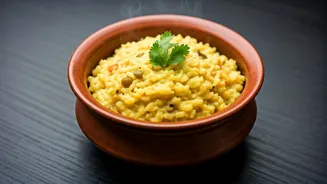
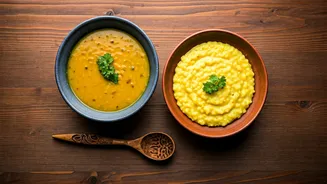
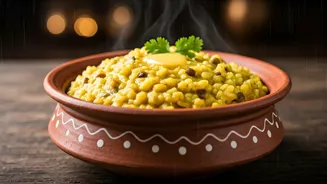
At its most basic, khichdi (pronounced kitch-ree) is a simple porridge made by cooking rice and lentils together in one pot. That description, while accurate, does it a profound disservice. It’s like calling chicken noodle soup just 'broth with pasta.'
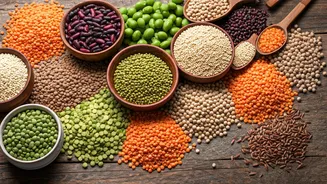
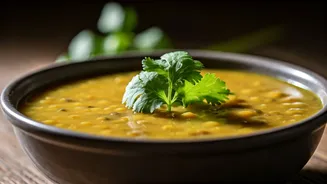
Khichdi is a foundational dish in Indian cuisine, a culinary canvas that can be as spartan or as luxurious as the occasion demands. The standard combination is a short-grain rice and a quick-cooking lentil like split moong dal, simmered with a pinch of turmeric until both components break down into a soft, cohesive whole. It’s the definition of a low-effort, high-reward meal, a gentle purée that’s savory, nourishing, and incredibly easy on the digestive system.
The Ultimate Rainy Day Companion
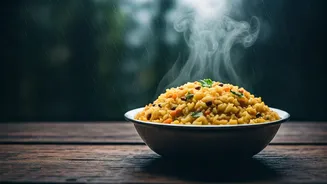
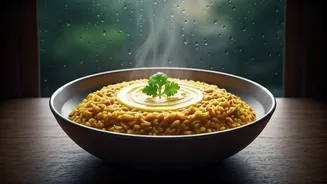
The headline's link between khichdi and monsoon season is not an exaggeration; it’s a cultural truth. During the monsoons in South Asia, the constant dampness can bring a certain lethargy, and historically, an uptick in water-borne illnesses. In this environment, khichdi becomes the perfect food. It’s warm and comforting, fighting off the physical and emotional chill of a downpour. More importantly, it’s exceptionally easy to digest. Ayurvedic tradition, which deeply influences Indian home cooking, considers khichdi a cleansing and balancing meal that gives the digestive system a rest. When you’re feeling sluggish or slightly under the weather, a simple, hot bowl of khichdi seasoned with a little ginger and cumin feels like an internal reset button. It’s the food you eat when you don’t feel like eating anything at all.
A Meal for Every Stage of Life
While monsoon brings khichdi to the forefront, its role in an Indian household is year-round and lifelong. It’s often the first solid food given to a baby, its soft texture and simple ingredients making it the ideal introduction to real meals. On the other end of the spectrum, it’s a gentle food for the elderly. For everyone in between, khichdi is the undisputed champion of sick days. Feeling a cold coming on? Your mother or spouse will likely prescribe a bowl of khichdi. Recovering from a stomach bug? Khichdi is the first thing you’ll be allowed to eat. In this sense, it fills the exact same cultural space as chicken soup, congee, or pastina in other parts of the world. It’s a prescription of care delivered in a bowl, a signal that someone is looking after you.
Beyond the Basic Bowl
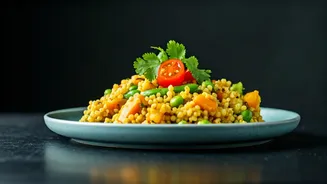
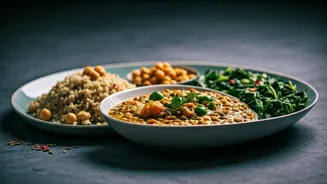
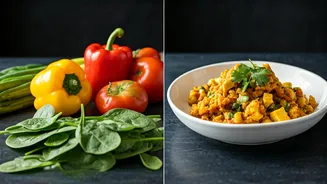
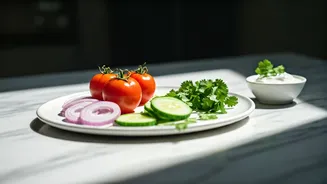
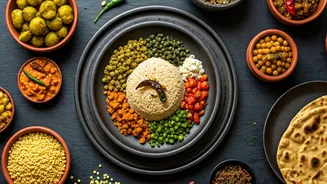
Calling khichdi a simple porridge belies its incredible versatility. While the humble, unadorned version is perfect for convalescence, it can also be dressed up into a rich, celebratory meal. Different regions and families have their own unique spins. Some versions are loaded with seasonal vegetables like peas, carrots, and cauliflower, turning it into a complete, balanced meal. Others use different lentils, like the heartier toor (pigeon pea) or masoor (red lentil) dal. In Western India, a slightly sweet and spicy version is popular, while in Bengal, the *bhog’er khichuri* served during festivals is a richer, more fragrant affair made with roasted moong dal and aromatic spices. The finishing touches are what truly elevate it. A generous spoonful of ghee (clarified butter) melted on top is non-negotiable for many, adding a nutty richness. It’s often served with a dollop of plain yogurt, a side of tangy pickle (*achar*), or a crispy papadum, creating a symphony of soft and crunchy, warm and cool, bland and spicy.