



Embracing the Monsoon Magic
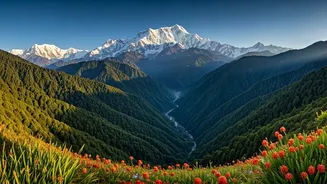
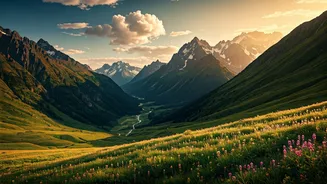
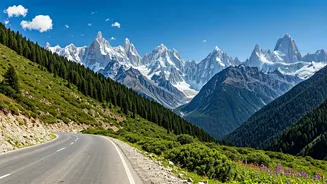
Let’s get the big question out of the way: June is monsoon season in Sikkim. For some, this might sound like a deterrent, but for the savvy traveler, it’s the secret ingredient. The rains wash the dust from the air, leaving behind impossibly green landscapes
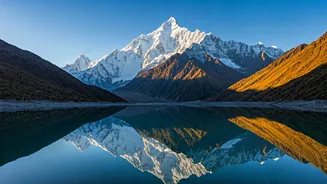
and dramatic, cloud-filled valleys. The tourist crowds of peak season have thinned, offering a more intimate experience with the capital city. Instead of fighting for views, you’ll find yourself sharing quiet moments with the mountains. The rhythm of the city slows, punctuated by the gentle patter of rain and the aroma of hot tea from a streetside vendor. This isn't a trip for a frantic, box-ticking itinerary; it's an invitation to slow down, pull on a light rain jacket, and witness the Himalayas in their most atmospheric and rejuvenating state.
Serenity Among the Prayer Flags
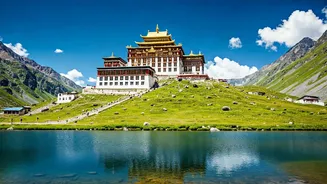
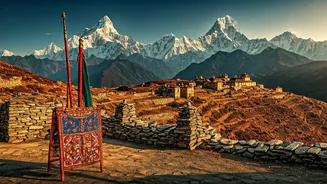
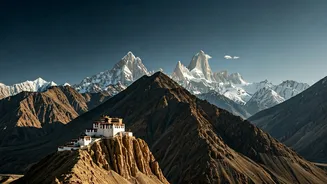
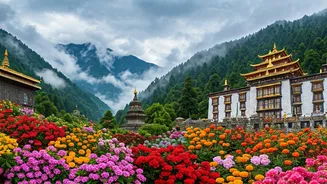
The spiritual heart of any Gangtok visit beats within its monasteries, and the monsoon adds a layer of profound mystique. The journey to Rumtek Monastery, the largest in Sikkim, becomes an adventure in itself as you ascend through clouds to reach its tranquil grounds. The sound of chanting monks, the deep resonance of a ceremonial drum, and the sight of colorful thangkas (Tibetan Buddhist paintings) feel all the more powerful when shrouded in mist. Closer to town, Enchey Monastery, perched on a ridge, offers stunning, albeit often cloud-kissed, views over Gangtok. Its name means 'solitary temple,' and visiting in the quiet of a June morning, you can understand why. The damp air seems to amplify the scent of burning incense and butter lamps, creating a sensory experience that grounds you completely in the present moment. These aren't just historic sites; they are living centers of faith where the monsoon season fosters an atmosphere of deep contemplation.
A Riot of Color at the Flower Markets
While the International Flower Festival usually wraps up in May, June is when the region’s flora truly shines, thanks to the life-giving rains. The Flower Exhibition Centre, located just below the city's main promenade, is a greenhouse paradise, showcasing an astonishing variety of orchids, gladioli, poppies, and other exotic Himalayan blooms. It’s a riot of color and fragrance that provides a perfect, vibrant contrast to the gray, misty weather outside. Strolling through the displays, you’ll see rare species of orchids that Sikkim is famous for, all meticulously cared for and presented. Even a simple walk along the pedestrian-only M.G. Marg reveals floral beauty, with well-tended public flowerbeds adding splashes of color to the clean, European-style boulevard. This is where nature’s artistry is put on full display, proving that a little rain only makes the colors brighter.
Savoring the Flavors of the Hills
A rainy day in Gangtok is the perfect excuse to explore its culinary scene. The cool weather invites you to seek out warmth and comfort in a bowl of steaming thukpa, a hearty noodle soup, or a plate of delicious momos. Many cafes and restaurants along M.G. Marg and in the labyrinthine lanes of Old Market offer cozy refuges from a downpour. It’s an opportunity to try local Sikkimese delicacies like gundruk (fermented leafy greens) or sink into a chair at a modern cafe with a book and a cup of local Temi tea. Food becomes more than just sustenance; it’s part of the experience of seeking shelter and community. Asking a local shopkeeper for their favorite spot for momos won't just get you a great meal; it will connect you to the pulse of the city.