


The End of the HIIT Era?
For the better part of a decade, boutique fitness was defined by a “more is more” philosophy. Think of the spin classes that felt like a nightclub, the CrossFit boxes where PRs were screamed from the rafters, and the bootcamps that promised to leave you
breathless and drenched in sweat. The goal was intensity, a calorie-torching physical exorcism to offset the sins of a sedentary desk job. Brands like SoulCycle, Barry’s, and Orangetheory Fitness built empires on this high-energy, high-impact model. But a cultural shift, accelerated by the pandemic, has quietly changed the landscape. The relentless pursuit of intensity started to feel, for many, like just another source of stress in an already stressful world. Burnout became a buzzword not just for our professional lives, but for our fitness routines, too. People began asking if there was a way to get strong and feel good without feeling beaten down. The answer, it turns out, was waiting on a strange-looking gliding carriage machine.
The Pilates Resurgence
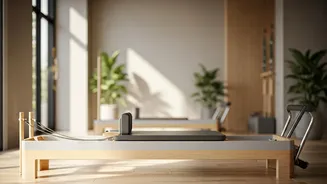
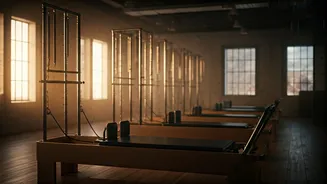
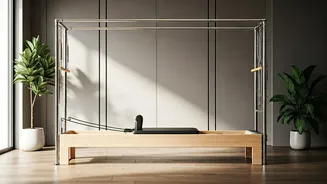
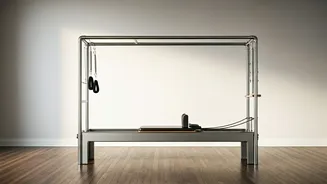
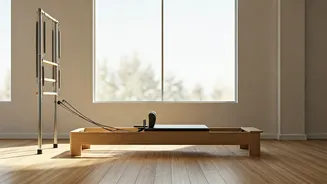
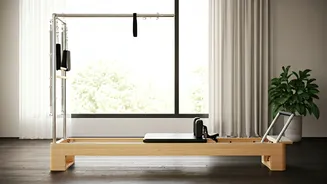
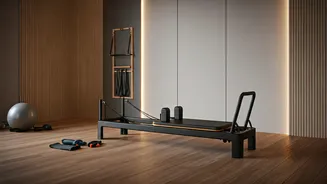
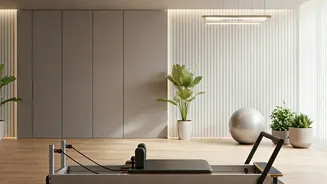
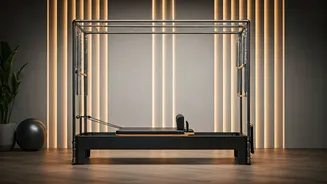
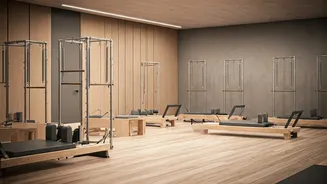
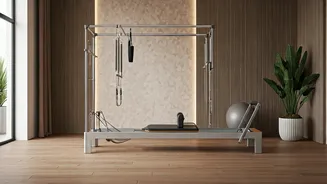
To be clear, Pilates is nothing new. Joseph Pilates developed his “Contrology” method a century ago. For years, it was the well-kept secret of dancers, physical therapy patients, and a small, devoted following. But the Pilates of 2024 is not your mother’s mat class. The current boom is centered on Reformer and Megaformer-style classes, which use spring-loaded resistance to create a unique challenge that is both low-impact and incredibly difficult. These modern studios—from national franchises like Club Pilates and [solidcore] to independent local hotspots—blend the classic principles of core strength, flexibility, and precise movement with the aesthetic and community feel of boutique fitness. The music is curated, the studios are Instagrammable, and the workout itself delivers a deep, satisfying muscle burn without the joint-pounding stress of running or jumping. It’s a workout that feels both restorative and challenging, a combination that perfectly meets the current moment.
A Shift Toward Mindful Movement
So why the sudden explosion? Part of the appeal is a direct reaction to the “no pain, no gain” ethos. Pilates demands a mind-body connection. You can’t just zone out and power through; you have to concentrate on your breath, your form, and the engagement of tiny, stabilizing muscles you didn’t know you had. This inherent mindfulness offers a mental break that high-octane workouts often can’t. Celebrity culture has also played a massive role. When figures like Hailey Bieber, Lori Harvey, and Harry Styles are photographed leaving Pilates studios, it transforms the workout’s image from a rehabilitative tool to an aspirational lifestyle choice. Social media amplifies this effect, with TikTok and Instagram feeds filled with aesthetic videos of graceful movements on the Reformer. It’s presented not just as a workout, but as an act of sophisticated self-care.
It’s Also a Smarter Business Model
Beyond the cultural appeal, the business of Pilates is booming. The franchise model has proven incredibly successful, allowing brands like Club Pilates to expand rapidly across the country, bringing a once-urban luxury to suburban markets. Compared to a high-tech spin studio or a massive gym, the initial investment for a Pilates studio can be more manageable, and the small-group class format fosters a strong sense of community that keeps members coming back. The workout’s reputation for creating a “long and lean” physique—a specific aesthetic goal—also drives demand and allows for premium pricing. While the scientific basis for “toning” without bulking is complex, the visual results seen on social media are a powerful marketing tool. This creates a highly motivated customer base willing to pay for monthly memberships that can easily run into the hundreds of dollars, making it a lucrative engine for the entire boutique fitness industry.