



The Comfort of Tradition
In South Asia, especially India, the arrival of the monsoon is a celebrated event. The heavy downpours break the oppressive heat of summer, turning the landscape lush and green. This dramatic shift in weather brings with it a cultural ritual: monsoon snacking.
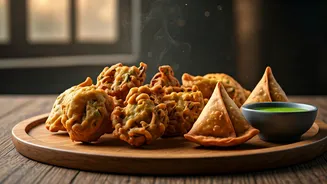
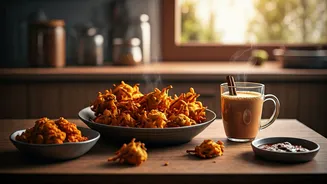
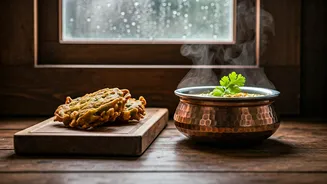
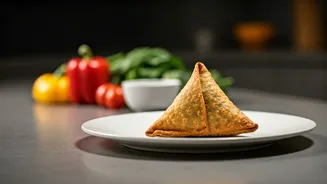
The sound of rain is almost universally paired with the sizzle of oil, as families gather to enjoy hot cups of masala chai and plates of freshly fried treats. The undisputed kings of this tradition are pakoras (vegetables dipped in chickpea flour batter and deep-fried), samosas (savory pastries filled with spiced potatoes and peas), and bhajiyas (a similar fried fritter). These aren't just snacks; they're an experience, a source of comfort and nostalgia deeply woven into the cultural fabric.
A Clash of Cravings and Consciousness
For decades, the indulgence was the point. The rich, oily goodness of these snacks was a delicious rebellion against the gloomy weather outside. But as global wellness trends have taken root, a new generation is facing a modern dilemma. How do you honor a beloved, nostalgic food tradition that seems at odds with a health-conscious lifestyle? The desire for the comforting flavors of childhood remains, but so does an awareness of calories, processed oils, and refined carbs. This has sparked a culinary movement: a quiet revolution to reinvent monsoon snacking, keeping the soul but lightening the impact.
The Air Fryer Revolution
Perhaps the single biggest hero in this makeover story is the air fryer. This countertop appliance has become a game-changer for those looking to replicate the satisfying crunch of deep-fried food without the vat of oil. Home cooks and food bloggers are now sharing recipes for air-fried pakoras and samosas that use just a teaspoon of oil, sprayed or brushed on for crispiness. The hot, circulating air does the heavy lifting, creating a golden-brown exterior that’s remarkably close to the original. This simple technological swap allows people to indulge in their favorite monsoon snacks more frequently and with far less guilt, preserving the ritual while updating the method.
Rethinking the Ingredients
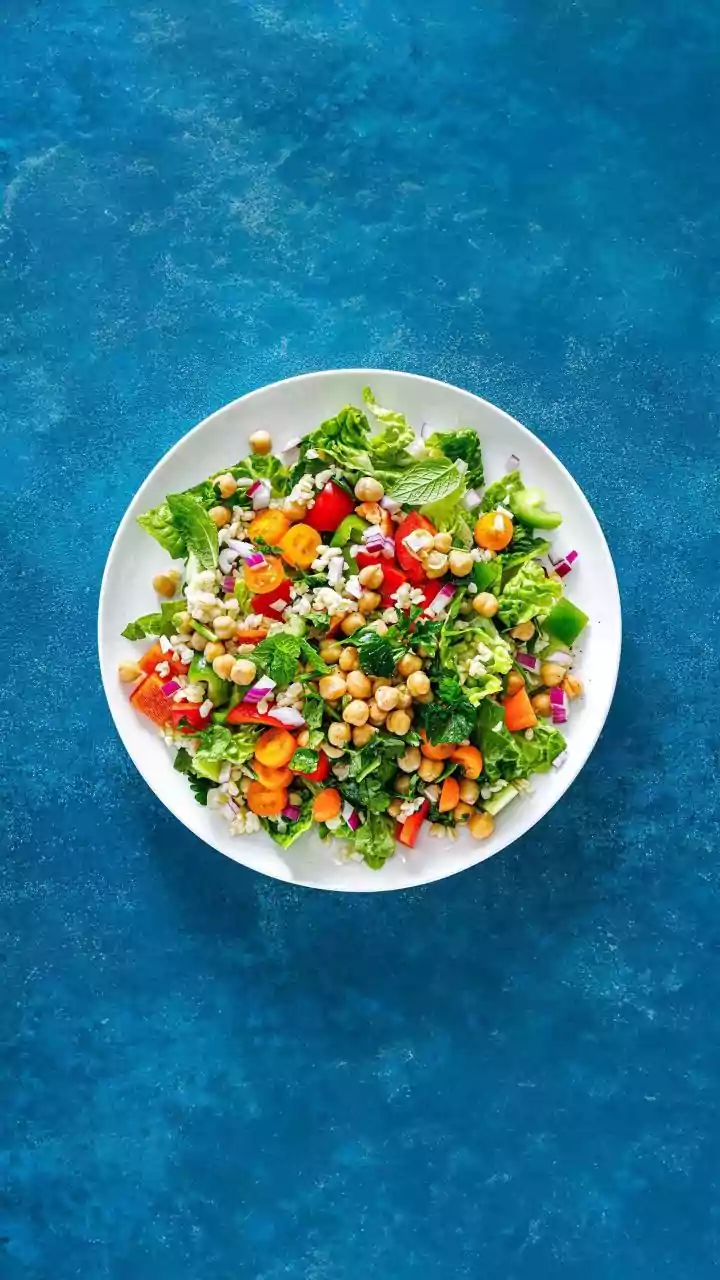
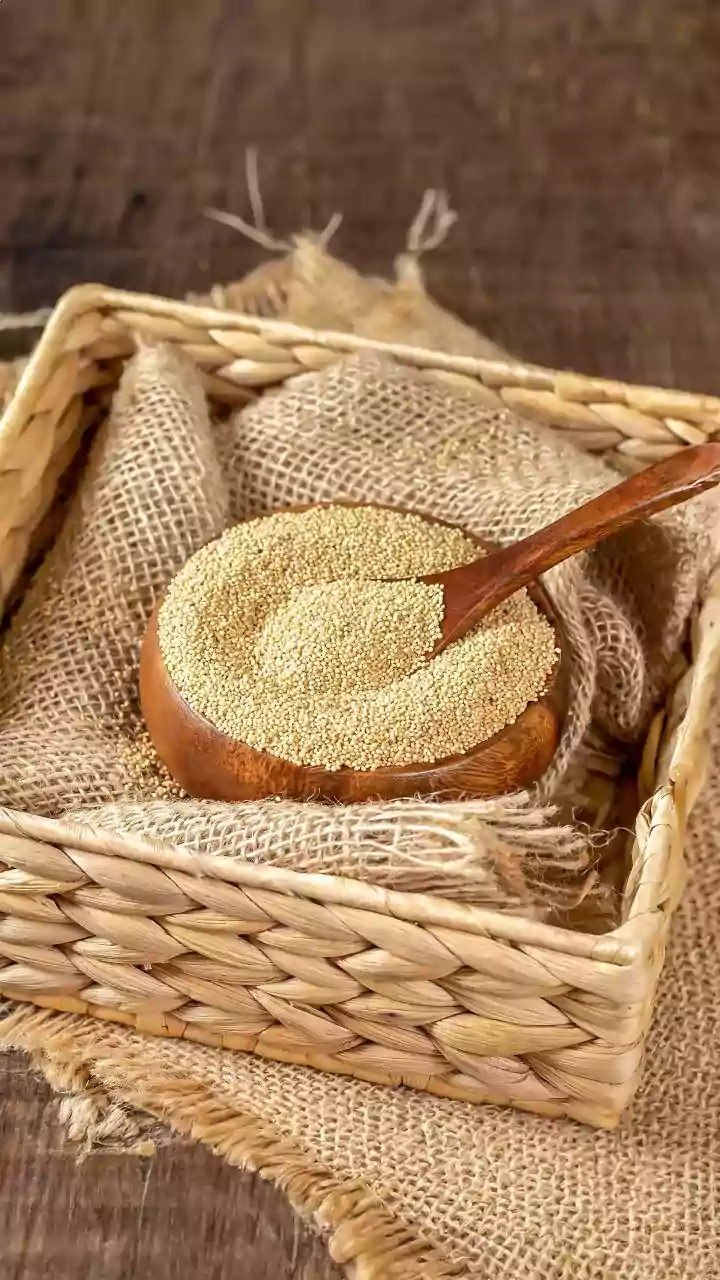
The healthy makeover goes beyond just the cooking method. The very ingredients are being re-examined. The refined white flour (maida) traditionally used for samosa casings is being swapped out for whole wheat flour, oat flour, or even nutrient-dense millet flours. For pakoras, the batter is being bulked up with more vegetables like grated zucchini, spinach, and carrots, reducing the ratio of batter to vegetable. Some are even using sweet potatoes or paneer (Indian cheese) as a base for low-carb, high-protein versions. This ingredient-level innovation adds nutritional value, fiber, and flavor, turning a simple indulgence into a more balanced treat.
When in Doubt, Bake It
Before the air fryer craze, baking was the go-to method for health-ifying indulgent foods, and it remains a popular choice for monsoon snacks. Baked samosas have become a café staple in urban India. By brushing the pastry with a bit of oil or yogurt and baking at high heat, you get a flaky, satisfying pocket that holds its spicy filling perfectly. While the texture is different—more like a rustic pastry than a crispy shell—it’s a delicious alternative in its own right. Similarly, vegetable and lentil-based cutlets (tikkis), which are often shallow-fried, are now commonly baked on a sheet pan, offering a hands-off method for producing a large batch of healthy snacks for a rainy day gathering.