


The Science of a Higher Sky
So, what makes the weather in Leh so special? It’s a combination of geography and altitude. Tucked away in the Indian Himalayas, Ladakh lies in a rain shadow, meaning the massive mountain ranges block most monsoon clouds from ever reaching it. The result
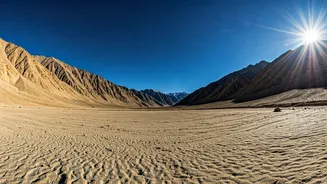
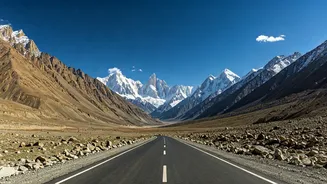
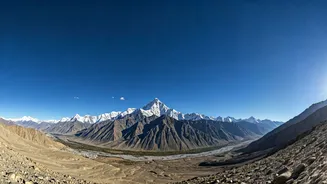
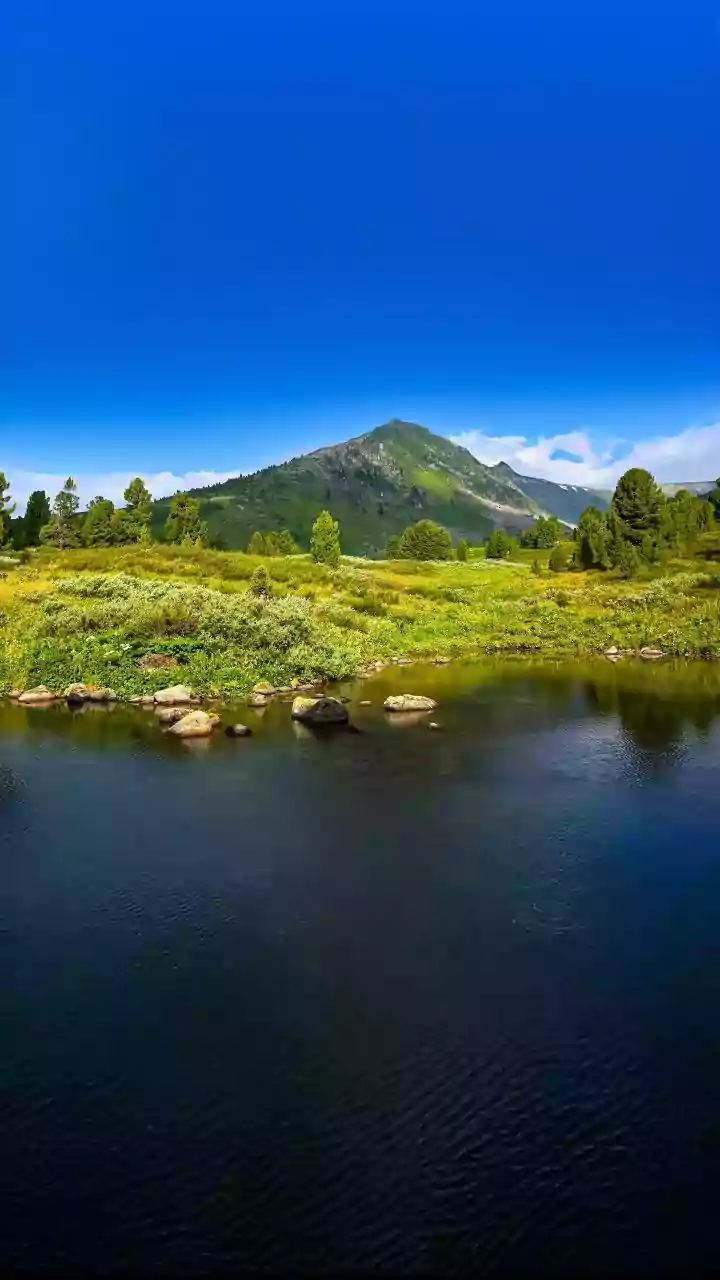
is a high-altitude desert climate with over 300 days of sunshine a year. At an elevation of roughly 11,500 feet, the atmosphere is thinner and holds significantly less moisture and fewer pollutants. This pristine air doesn't scatter sunlight the way it does at lower altitudes, leading to a sky that’s a deeper, more intense shade of sapphire blue and a sun that shines with brilliant, unfiltered intensity. It’s a physical phenomenon that feels like a spiritual one.
A Photographer’s Paradise
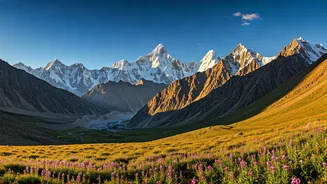
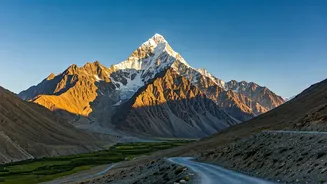
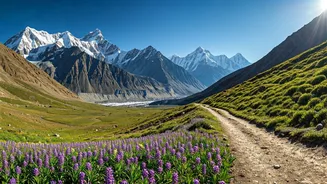
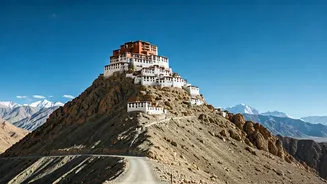
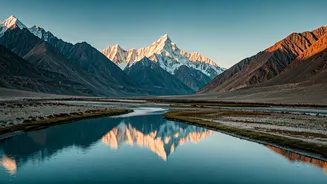
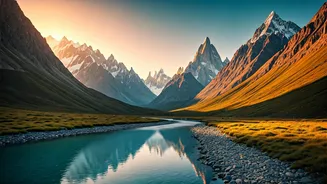
For anyone with a camera—from a smartphone photographer to a seasoned pro—Leh’s clear weather is the ultimate advantage. The sharp, unfiltered light creates dramatic contrasts and deep, defined shadows that carve out every detail of the rugged mountains and ancient monasteries. There’s no atmospheric haze to soften the edges or wash out the colors of distant landscapes, allowing for incredibly crisp and vibrant shots. The “golden hours” around sunrise and sunset are particularly magical. The stark, barren hills are set ablaze in fiery oranges and soft pinks, and the lack of cloud cover means the light show is pure and uninterrupted. It’s a place where your photos rarely need a saturation boost; the reality is already stunning.
Unlocking the High Passes
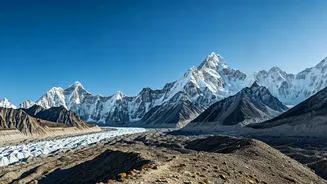
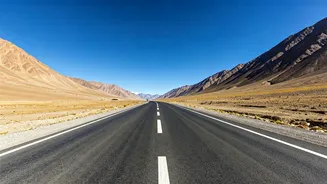
While Leh is the region's cultural and logistical hub, some of Ladakh's most breathtaking sights—like the otherworldly Nubra Valley or the mesmerizing Pangong Lake—lie beyond the city. Reaching them requires traversing some of the world’s highest motorable passes, including Khardung La and Chang La. During the short summer season, from June to September, clear and stable weather is what keeps these vital mountain arteries free of snow, ice, and landslides. A sunny forecast isn't just a pleasantry for tourists; it is the fundamental key that unlocks the entire region for exploration. Without this gift of clear skies, access to these iconic Himalayan wonders would be impossible.
Heaven for Stargazers
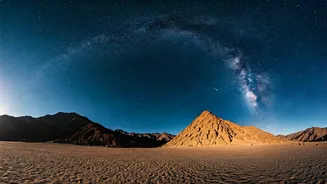
When the sun goes down, the spectacle continues. Far from the light pollution of major urban centers and blessed with exceptionally low cloud cover, the night sky over Leh is an astronomer's dream. On a moonless night, the Milky Way isn’t a faint, hazy band; it’s a brilliant, textured river of stars that appears so close you feel you could reach out and touch it. Constellations pop with startling clarity, and meteors frequently streak across the vast, silent darkness. For many visitors, lying back and simply gazing at the universe in such a pristine environment becomes a core memory of their trip—a humbling and profound experience made possible by that same clear, dry air.
When to Go for the Gift
To best experience this perfect weather, timing is everything. The prime window is during the summer months, from late May to mid-September. This is when temperatures are pleasant, the days are long and sunny, and all the high passes and trekking routes are reliably open. It’s peak tourist season for good reason. Traveling in the shoulder months of April-May or late-September to October can offer fewer crowds, but it comes with a gamble: temperatures are colder, and the weather is more unpredictable, with a greater chance of snowfall closing key roads. The winter, from November to March, transforms Ladakh into an entirely different, nearly inaccessible world of extreme cold and snow, reserved for only the most hardened adventurers.