



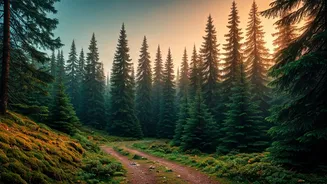


Waking Up to the River's Song
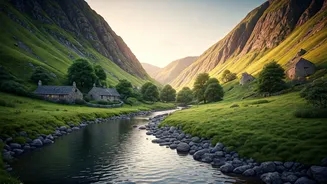
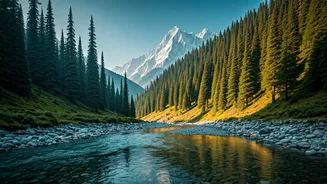
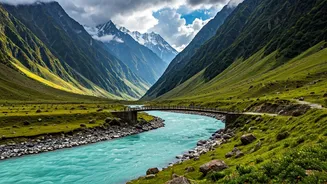
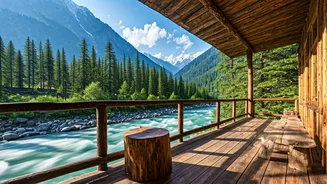
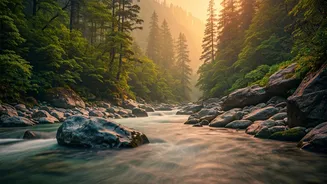
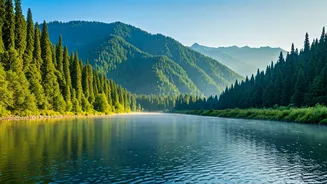
The first thing you notice in Tirthan isn’t a sight, but a sound. It’s the constant, soothing murmur of the river that gives the valley its name. The water, running fast and clear over a bed of smooth, grey stones, is the region’s lifeblood and its soundtrack.
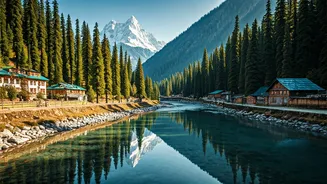
Mornings here begin not with a jolt, but with a gentle awareness. You step out of a rustic homestay or a riverside cottage into the crisp Himalayan air, a steaming cup of chai in hand. The sun hasn't yet crested the high peaks, but the valley is filled with a soft, ethereal light. There are no schedules to meet, no emails to answer. The only item on the agenda is to sit by the water's edge and watch the day begin, perhaps spotting a blue-winged minla or a white-capped redstart flitting between the rocks. This quiet ritual is the core of the Tirthan experience—a profound, peaceful connection to nature that feels worlds away from modern life.
A Protected Paradise in the Himalayas
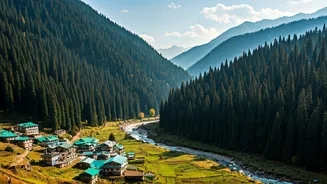
So where is this secluded haven? The Tirthan Valley is located in the Kullu district of Himachal Pradesh, a mountainous state in northern India. It serves as the eco-tourism gateway to the Great Himalayan National Park, a UNESCO World Heritage Site renowned for its pristine ecosystems and rare wildlife, including the elusive snow leopard. Unlike its bustling neighbors like Manali or Shimla, Tirthan has deliberately remained low-key. Development is controlled, with an emphasis on sustainable tourism. You won't find large chain hotels or loud commercial strips here. Instead, the valley is dotted with charming guesthouses and family-run homestays, where hosts welcome you not as a customer, but as a guest in their home. This commitment to preservation is what keeps the valley feeling untouched and authentic, a place where the landscape, not the tourist, is the main attraction.
The Art of Slow Adventure
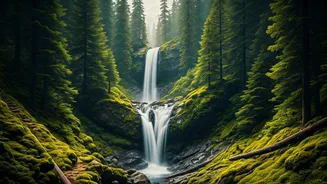
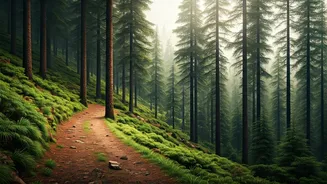
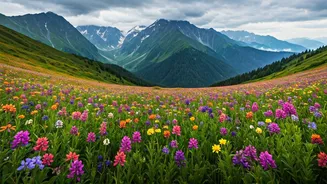
A trip to Tirthan redefines the concept of 'things to do.' The appeal isn't a checklist of sights, but a deep dive into unhurried activities. The valley is famous for its trout, and anglers can spend hours perfecting their cast in the sparkling river. For hikers, countless trails lead from the valley floor to hidden waterfalls, serene meadows, and tiny, self-sufficient villages where life continues much as it has for centuries. A popular short trek might take you to the base of a roaring cascade or a high pasture with panoramic views of the snow-capped peaks. But the real magic lies in the permission the valley gives you to do nothing at all. It's a place for reading a book in a hammock, sharing stories with fellow travelers over a simple, locally sourced meal, or simply watching the clouds drift across the immense blue sky. It’s an active choice to disconnect from the digital world and reconnect with the physical one.
The Journey Is Part of the Destination
Getting to Tirthan requires commitment, and that’s a key part of its charm. There's no airport or train station in the valley. The most common route involves an overnight bus from Delhi or Chandigarh to the town of Aut, followed by a winding, hour-long taxi ride along the river. This barrier to entry naturally filters the crowds, ensuring that those who arrive have come seeking exactly what Tirthan offers: tranquility. The journey itself is a transition. As you leave the chaos of the plains behind and climb into the mountains, you feel the pace of life decelerate. The bumpy roads and long hours are a small price to pay for the reward at the end. Arriving in the valley doesn’t feel like checking into a destination, but like coming home to a place you didn't know you were missing.