


1. The Weather Is the Main Character
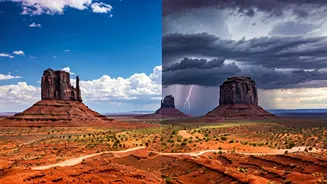
On most vacations, a forecast of “scattered thunderstorms” is a cause for concern. On a monsoon trip, it’s the main event. The North American Monsoon, which typically graces states like Arizona and New Mexico from July to September, isn’t about all-day
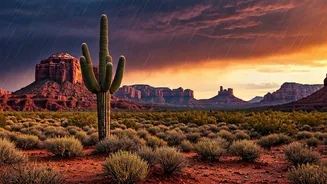
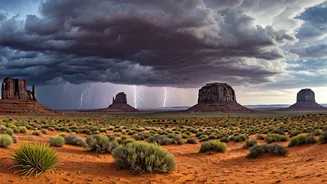
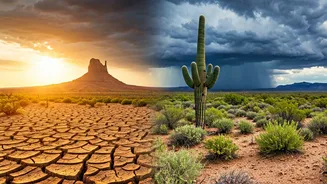
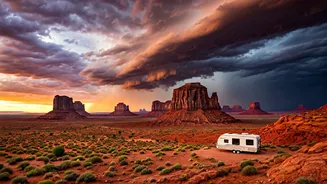
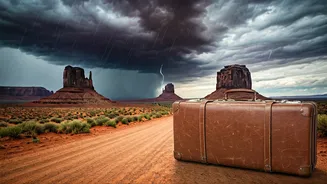
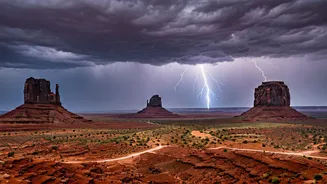
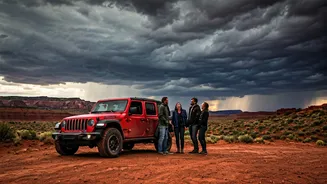
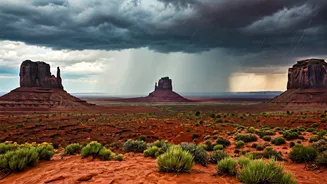
drizzle. It’s about drama. Think colossal, fast-moving clouds building over a desert landscape, the sky turning a bruised purple, and then a sudden, intense downpour that cools the 100-degree air by twenty degrees in twenty minutes. The lightning shows are spectacular, the thunder is cinematic, and the photo opportunities are unparalleled. Your group chat won’t be filled with another generic sunset pic; it’ll be buzzing with real-time, jaw-dropping shots of a storm rolling over a cactus-studded mountain. This built-in drama provides a natural narrative for your trip, giving every day a sense of anticipation and a spectacular climax.
2. It's a Low-Stakes Planning Dream
Let’s be honest: the hardest part of any group trip is getting it on the calendar. Trying to coordinate a week-long European tour or a pricey tropical escape can kill a group chat with scheduling conflicts and budget anxiety. The beauty of a monsoon trip is its brevity. This is a perfect long-weekend getaway. Fly into Tucson or Phoenix on a Friday, rent a car, and head out. Because the goal isn't to tick off a dozen tourist attractions but to experience an atmosphere, the itinerary can be wonderfully loose. The only real plan you need is a comfortable home base—an Airbnb with a good porch is ideal—and a willingness to see where the weather takes you. This simplicity lowers the barrier to entry, making it far more likely that the trip actually moves from a “we should totally do this” fantasy to a booked reality.
3. You Get Forced (and Fantastic) Downtime
In an era of hyper-scheduled vacations, a sudden, torrential downpour is a gift. It’s nature’s way of telling your group to stop, sit down, and actually hang out. When a storm hits, you’re not rushing to the next museum or reservation. You’re cozied up inside, watching the rain lash against the windows. This is prime bonding time. It’s when the card games come out, the half-forgotten stories get told, and the real conversations happen. It fosters a sense of shared sanctuary, a feeling of being tucked away from the world together. This unplanned, unhurried time is often what people remember most fondly—not the monument they saw, but the afternoon they spent laughing on a covered patio, listening to the thunder.
4. The Sensory Experience Is Unforgettable
A monsoon trip imprints itself on your memory through more than just visuals. The defining scent is petrichor—the earthy, almost sweet smell of rain hitting dry soil for the first time in weeks. It’s a smell so distinct and beloved it has its own name, and sharing that first whiff as a storm approaches is a powerful collective moment. There’s the soundscape: the distant rumble of thunder that grows closer, the roar of the downpour on the roof, and the sudden, profound silence after it passes. There’s the feeling of the temperature dropping, a welcome wave of cool air washing over you. These shared sensory inputs become a powerful part of the group’s shared history, an experience you can’t get anywhere else.
5. The Post-Trip Content Lasts for Months
A great trip lives on in the group chat long after everyone’s gone home. A monsoon trip provides Grade-A material. The inside jokes born from being storm-bound, the iconic photo of someone silhouetted against a lightning flash, the video of a flash flood turning a dry wash into a rushing river—these become the new lore of your friend group. Every time a summer storm rolls through someone’s hometown, you’ll get a text: “Smells like Arizona.” A photo of a dramatic cloud will pop up with the caption, “Remember that drive to Sedona?” The trip doesn’t just provide a few days of fun; it provides a new, shared language and a trove of memories that will keep the conversation, connection, and camaraderie alive and well.