




More Than Just a Pretty Patch
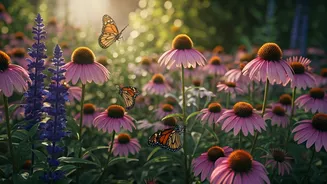
First, let's be clear: a butterfly garden isn't just a random collection of colorful flowers. It’s a purpose-built micro-habitat designed to support the entire life cycle of butterflies and other pollinators. This means providing two crucial things: nectar
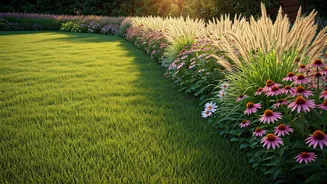
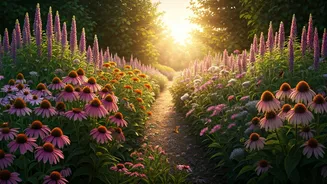
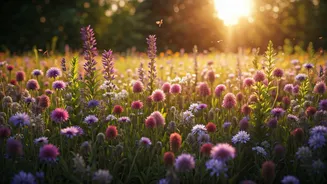
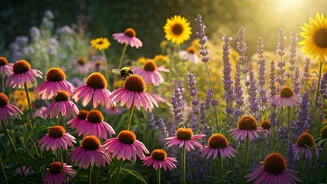
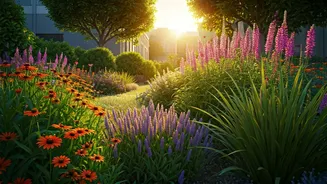
and hosts. Nectar plants, like coneflowers, black-eyed Susans, and blazing stars, offer sugary fuel for adult butterflies. But the real magic lies with the host plants. These are the specific plants that butterfly larvae, or caterpillars, must eat to survive. The most famous example is milkweed, the one and only food source for monarch caterpillars. Without host plants, there is no next generation. A true butterfly garden is a full-service ecosystem, offering food, shelter, and a place for these insects to reproduce, turning a simple yard into a vital nursery.
An Answer to a Pollinator SOS
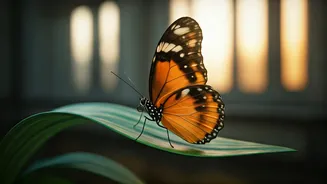
The explosion in butterfly gardening isn't happening in a vacuum. It’s a direct response to the well-documented decline of pollinator populations across North America. For years, scientists have sounded the alarm about shrinking numbers of bees, moths, and butterflies, including the iconic monarch. The eastern monarch butterfly population, known for its epic migration to Mexico, has plummeted by over 80% in the last two decades due to habitat loss, pesticide use, and climate change. This crisis isn’t just an aesthetic loss; pollinators are essential for the reproduction of over 75% of the world's flowering plants and crops. The news coverage of the monarch's plight, in particular, has served as a powerful call to action, transforming an abstract environmental problem into a specific, solvable mission for everyday people.
The Native Plant Revolution
For decades, the American ideal was a pristine, green lawn bordered by tidy, often non-native, ornamental plants. Butterfly gardening represents a fundamental rejection of that ideal. It’s part of a larger, grassroots movement championing the use of native plants—the flora that has co-evolved with local wildlife for millennia. Organizations like the Xerces Society and the National Wildlife Federation have successfully educated the public on a simple but profound truth: local insects need local plants. A butterfly in Ohio has little use for a plant from Asia. As homeowners learn that their manicured lawns are essentially food deserts for wildlife, many are choosing to “rewild” small sections of their property. They're replacing turfgrass with milkweed, goldenrod, and asters, creating what conservationist Douglas Tallamy calls a “Homegrown National Park”—a network of private yards connected into a viable habitat corridor.
A Small Act of Hope
In an era defined by overwhelming global crises—from climate change to pandemics—the butterfly garden offers something precious: a sense of agency. While most of us can’t single-handedly solve deforestation or reverse global warming, we can plant milkweed. We can choose a coneflower over an imported ornamental. This tangible, hands-on action provides a powerful psychological balm. Watching a monarch lay its eggs on a plant you chose, or seeing a patch of dirt transform into a bustling hub for bees and butterflies, is a deeply rewarding experience. It’s a visible, immediate confirmation that your small effort makes a difference. This act of cultivating life in your own space serves as an antidote to ecological anxiety, empowering individuals to become active participants in conservation rather than passive spectators.