




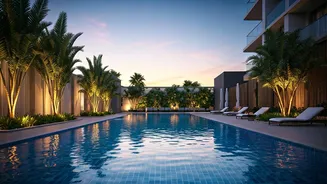

The Science of City Sizzle
Cities are, on average, 1°F to 7°F hotter than surrounding rural areas. During the day, dark pavement and rooftops absorb and retain far more solar radiation than natural landscapes. At night, that stored heat is slowly released back into the environment,
preventing cities from cooling down effectively. This effect is compounded by waste heat from buildings, air conditioning units, and vehicles, all packed into a dense area. The result is a cycle of sustained, draining warmth that leads to what experts call 'heat fatigue'—a physical and mental exhaustion caused by prolonged exposure to high temperatures. It's the reason a 90-degree day in downtown Dallas feels profoundly different from a 90-degree day in a shady, open field.
Elevation as an Escape Hatch
For every 1,000 feet you climb in elevation, the temperature generally drops by about 3.5°F to 5.5°F. This isn't a new discovery; for over a century, wealthy East Coasters have escaped to the Catskills or the Berkshires to flee summer humidity. What's new is the urgency and the scale. As average summer temperatures climb and heatwaves become more frequent and intense, the simple physics of elevation is transforming from a pleasant amenity into a crucial climate adaptation strategy. A neighborhood situated on a ridge with good air circulation might not just be a few degrees cooler—it might be the difference between a livable summer and a miserable one. This isn't about escaping to a mountain resort for two weeks. It's about a fundamental reassessment of where a desirable permanent home can be located in a warming world.
The Rise of Climate Real Estate
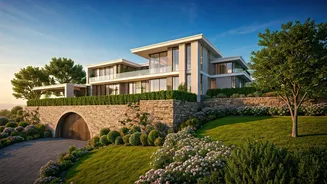
Real estate has always been about location, location, location. Now, climate is becoming a primary component of that calculation. While the market hasn't yet created a 'hill premium' Zestimate, the trend is visible in broader migration patterns. Analysts are seeing increased interest in 'climate havens'—regions expected to be less affected by the worst impacts of climate change, such as the Great Lakes region and parts of the Northeast. On a more local level, developers and real estate agents are quietly starting to leverage elevation and airflow as selling points. A listing for a home on a hill might once have focused solely on the view. Today, that copy is just as likely to mention the 'refreshing breezes' or its position 'above the city heat.' This isn't just marketing fluff; it's a response to a growing consumer demand for comfort and resilience. People are beginning to price-in a cool night's sleep.
The New Psychology of 'Up'
The 'premium' quality of hills is about more than just temperature. It taps into a deep psychological desire to be 'above it all.' Being on high ground offers a literal and metaphorical escape. You're removed from the dense, noisy, and hot urban core. You often get cleaner air, less noise pollution, and a sense of space and perspective that's hard to find on the grid below. In an era of compounding anxieties—from climate to public health—this feeling of removal and sanctuary has become a powerful emotional driver. The luxury is no longer just the infinity pool or the high-end kitchen; it's the fundamental sense of well-being that comes from inhabiting a more comfortable and resilient environment. As the pavement bakes below, the ability to open a window and catch a natural breeze is becoming the ultimate status symbol.