


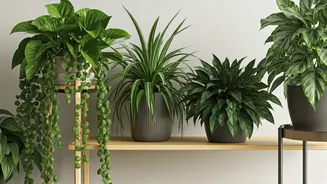


Why Green Living Benefits Your Pet
Bringing the outdoors in does more than just beautify your space; it can genuinely enhance your pet's environment. Plants provide sensory enrichment, giving curious cats and dogs interesting (and safe) new smells and textures to explore. More importantly,
a home filled with the right greenery can contribute to better indoor air quality. Many common household items, from cleaning supplies to furniture, can release volatile organic compounds (VOCs) into the air. While the effects on pets aren't as exhaustively studied as they are for humans, cleaner air is a universal good. A greener home, coupled with good ventilation, helps reduce indoor pollutants, creating a fresher, healthier atmosphere for everyone, two-legged and four-legged alike. It's about creating a sanctuary, not just a house.
The All-Star: Boston Fern
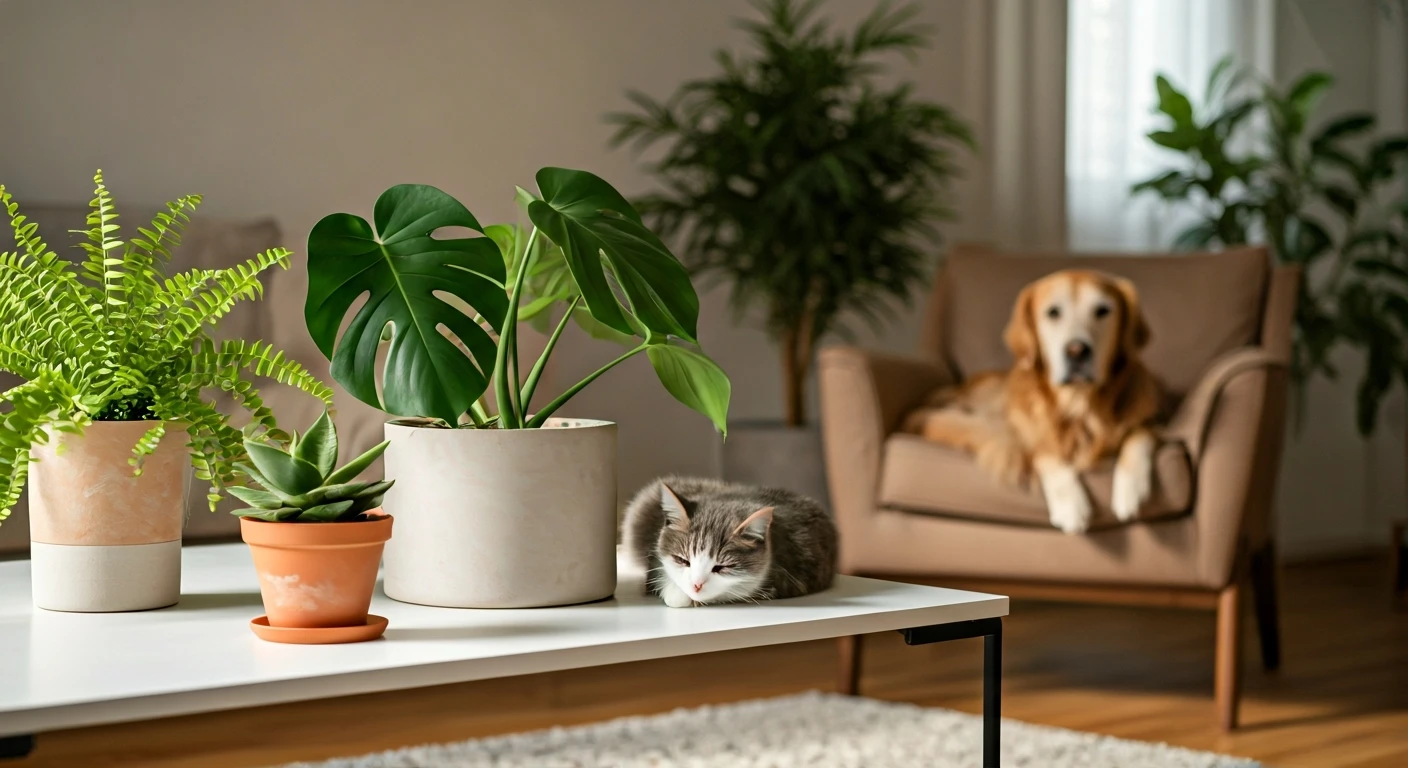
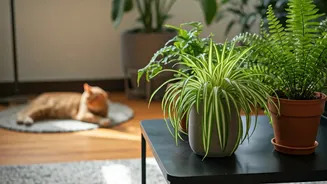
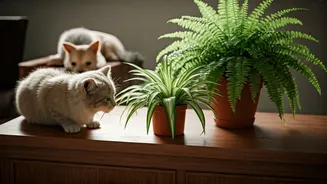
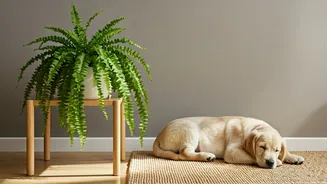
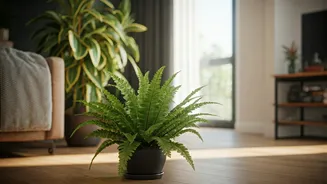
Let's start with the plant that gets a title mention. The Boston Fern (Nephrolepis exaltata) is a classic for a reason. Its feathery, arching fronds add a touch of lush elegance to any room, and it's consistently named as one of the best plants for air purification. Best of all, it's completely non-toxic to both cats and dogs, according to the ASPCA. Your cat might enjoy batting at its dangling leaves, and you can rest easy knowing a curious nibble won't result in a trip to the emergency vet. These ferns thrive in humid environments with indirect light, making them perfect for a well-lit bathroom or a kitchen corner.
The Hardy Hero: Spider Plant
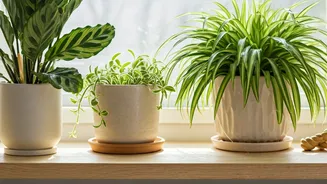
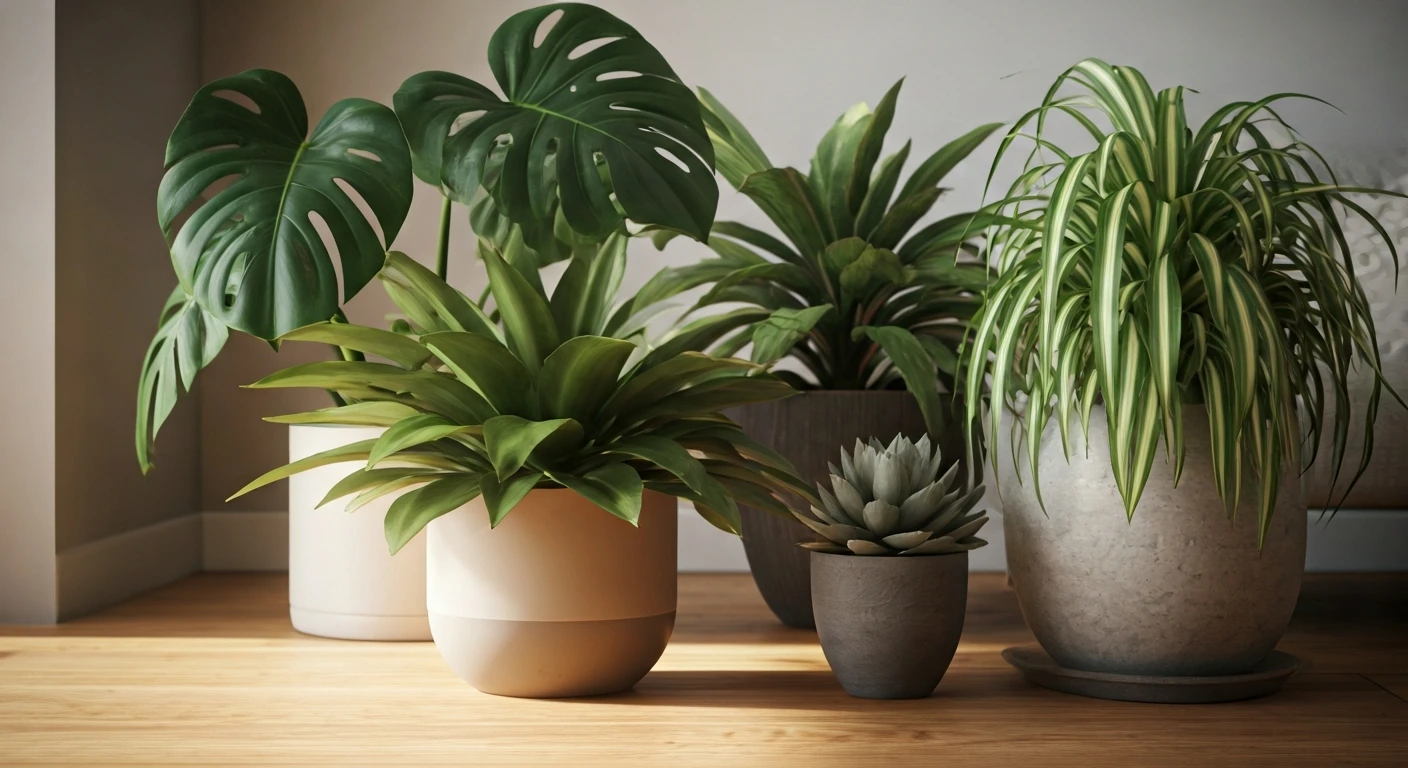
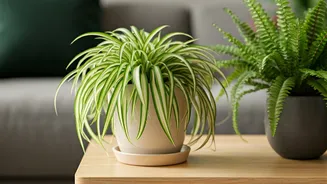
If you're a notorious plant-killer, the Spider Plant (Chlorophytum comosum) is your new best friend. Incredibly resilient and easy to care for, these plants are practically indestructible. They are also powerful air-purifiers, known for their ability to filter formaldehyde and xylene from the air. Spider plants are non-toxic to pets and produce little “spiderettes,” or baby plants, that you can easily propagate. While some cats are drawn to them because their long leaves can have a mild, harmless hallucinogenic effect (similar to catnip), they are perfectly safe for your pets to be around.
The Tropical Touch: Areca Palm
Want to feel like you're on vacation? The Areca Palm (Dypsis lutescens) brings a dose of tropical paradise indoors. Its graceful, feathery fronds can grow quite tall, making it a wonderful statement piece. It’s also a superstar at removing airborne toxins and releasing moisture into the air, acting as a natural humidifier. Completely safe for dogs and cats, the Areca Palm is an excellent choice for filling a bright corner of your living room. It prefers bright, indirect sunlight and consistent watering to keep it looking its best.
Beyond Plants: Tips for Fresher Air
Houseplants are a great start, but they work best as part of a larger strategy for clean air. The simplest trick is ventilation. Open your windows for at least 15-20 minutes a day to circulate fresh air and flush out indoor pollutants. Regular cleaning is also crucial. Vacuuming carpets and washing pet bedding frequently helps manage dander and dust. Consider investing in a high-quality air purifier with a HEPA filter, which is specifically designed to capture pet dander, pollen, and other microscopic particles. Finally, be mindful of the products you use. Opt for pet-safe, non-toxic cleaning supplies and avoid heavily scented candles or air fresheners, which can irritate a pet's sensitive respiratory system.
Warning: Common But Toxic Plants
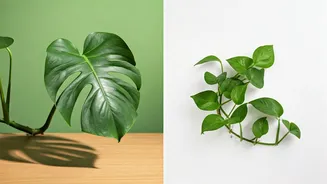
Just as important as knowing which plants are safe is knowing which to avoid. Many popular houseplants are extremely toxic to pets. Lilies (especially Stargazer, Tiger, and Easter lilies) are lethally poisonous to cats, causing kidney failure from even a small exposure. The Sago Palm is another beautiful but deadly plant; all parts of it are toxic and can cause liver failure in dogs. Other common plants to keep out of a pet-friendly home include Tulips, Daffodils, Snake Plants, and Aloe Vera (while the gel is often used topically, ingestion can cause digestive upset). Always double-check a plant's toxicity on the ASPCA's website before bringing it home.