






1. Prioritize Warm, Cooked Meals
During humid, damp seasons, our digestive fire, or 'agni' as it's known in Ayurvedic tradition, is thought to be weaker. While the science is still exploring this, we do know that warm, cooked foods are generally easier for the body to break down and
absorb nutrients from compared to cold, raw ones. Think of it as giving your stomach a head start. Roasting, steaming, or sautéing vegetables makes their nutrients more accessible. A warm bowl of soup can feel more comforting and less taxing on your system than a large, raw salad. This isn't about eliminating salads entirely, but about tilting the balance toward well-cooked, easily digestible meals, especially in the evening. This practice also minimizes the risk of consuming bacteria that can thrive on raw produce in high-humidity environments.
2. Hydrate Smarter, Not Harder
High humidity can trick our bodies. We sweat, lose fluids, but the moisture in the air prevents that sweat from evaporating, so we don't feel as thirsty as we should. This makes dehydration a stealthy threat to digestive health, leading to constipation and sluggishness. The solution isn't just to chug cold water, which can sometimes feel like a shock to the system. Instead, focus on consistent hydration throughout the day with room-temperature or warm water. Herbal teas like ginger, peppermint, or fennel are excellent choices. Not only do they hydrate you, but these herbs are also known for their digestive-soothing properties. Ginger, in particular, can help stimulate digestion and alleviate nausea.
3. Lean on Probiotic and Prebiotic Foods
A healthy gut is a diverse gut, teeming with beneficial bacteria. Humid weather can sometimes create an environment where less desirable bacteria and yeasts flourish. Fortifying your gut microbiome is a key defensive strategy. Incorporate probiotic-rich foods like plain yogurt, kefir, kimchi, and sauerkraut into your diet. These foods introduce beneficial microbes directly into your digestive tract. At the same time, don't forget their essential food source: prebiotics. Prebiotic fibers, found in foods like garlic, onions, bananas, asparagus, and whole oats, nourish the good bacteria already living in your gut, helping them thrive and keep your internal ecosystem in balance.
4. Embrace Gentle, Digestive Spices
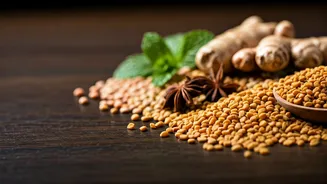
Spices are more than just flavor; they are functional ingredients that have been used for centuries to support digestion. During a sluggish season, certain spices can help gently stimulate digestive enzymes and improve gut motility. Turmeric is a powerful anti-inflammatory that can soothe the gut lining. Cumin is known to help with gas and bloating, while coriander and fennel are cooling and calming for the digestive tract. A pinch of black pepper can enhance the bioavailability of other nutrients, particularly curcumin in turmeric. Try incorporating these into your cooking—a sprinkle in your soup, a dash in your stir-fry, or brewed into a simple tea.
5. Be Mindful of Food Safety
Humidity and warmth create the perfect breeding ground for bacteria and mold. This is a time to be extra vigilant about food safety. Wash produce thoroughly, even if it’s organic. Avoid eating foods that have been left out at room temperature for extended periods, especially at potlucks or outdoor gatherings. This is a good time to be cautious with street food or any food where you can't be sure of the preparation hygiene. Prioritizing fresh, home-cooked meals gives you complete control over the ingredients and their cleanliness. If something looks, smells, or tastes even slightly off, the rule is simple: when in doubt, throw it out. It’s a simple habit that can save you from a world of digestive distress.