



The Pandemic Was a Spark, Not the Fire
It’s easy to point to the global pandemic as the sole reason for the home workout boom. And while lockdowns certainly forced everyone indoors, for Indian youth, it was more of an accelerator than a genesis. The groundwork was already laid. Before 2020,
a growing wellness consciousness was simmering among millennials and Gen Z, fueled by global trends and a desire to stand out. The pandemic simply took this simmering interest and turned it into a full-blown movement. It normalized the idea that your fitness journey doesn't require a commute, a hefty membership, or fancy equipment. It proved that a high-intensity session could be streamed from a world-class trainer to a tiny apartment in Bangalore just as easily as to a spacious home in the suburbs.
The New Economics of Getting Fit
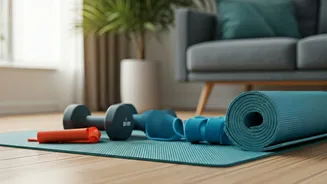
In major Indian metropolises like Mumbai, Delhi, and Bengaluru, space is a premium, and so are gym memberships. A spot at a high-end fitness club can cost more than what many young professionals pay for a month's rent. This created a massive barrier to entry. Home workouts obliterate this barrier. For the price of a single month's gym fee, a young person can buy a good yoga mat, a set of resistance bands, and a yearly subscription to a fitness app. Platforms like Cult.fit (now part of Cure.fit), India’s homegrown fitness unicorn, offer a hybrid model of digital and physical classes at a fraction of the traditional gym cost. This economic reality is perhaps the single biggest driver. It’s a pragmatic choice that democratizes access to health and wellness for a generation that is ambitious but also budget-conscious.
Digital Access and the Influencer Effect
India has some of the cheapest mobile data rates in the world, coupled with staggering smartphone penetration. This digital infrastructure is the highway on which the home workout trend travels. Young Indians don’t just have access to the internet; they live on it. This makes them prime consumers for the explosion of content on YouTube, Instagram, and dedicated fitness apps. National fitness icons and Bollywood celebrities like Virat Kohli and Deepika Padukone share their workout routines with millions of followers, making fitness aspirational and trendy. But it's not just about celebrities. A whole ecosystem of regional fitness influencers has emerged, offering workouts in local languages and addressing culturally specific body types and dietary habits, making the advice feel more personal and achievable.
Convenience for a Hectic Generation
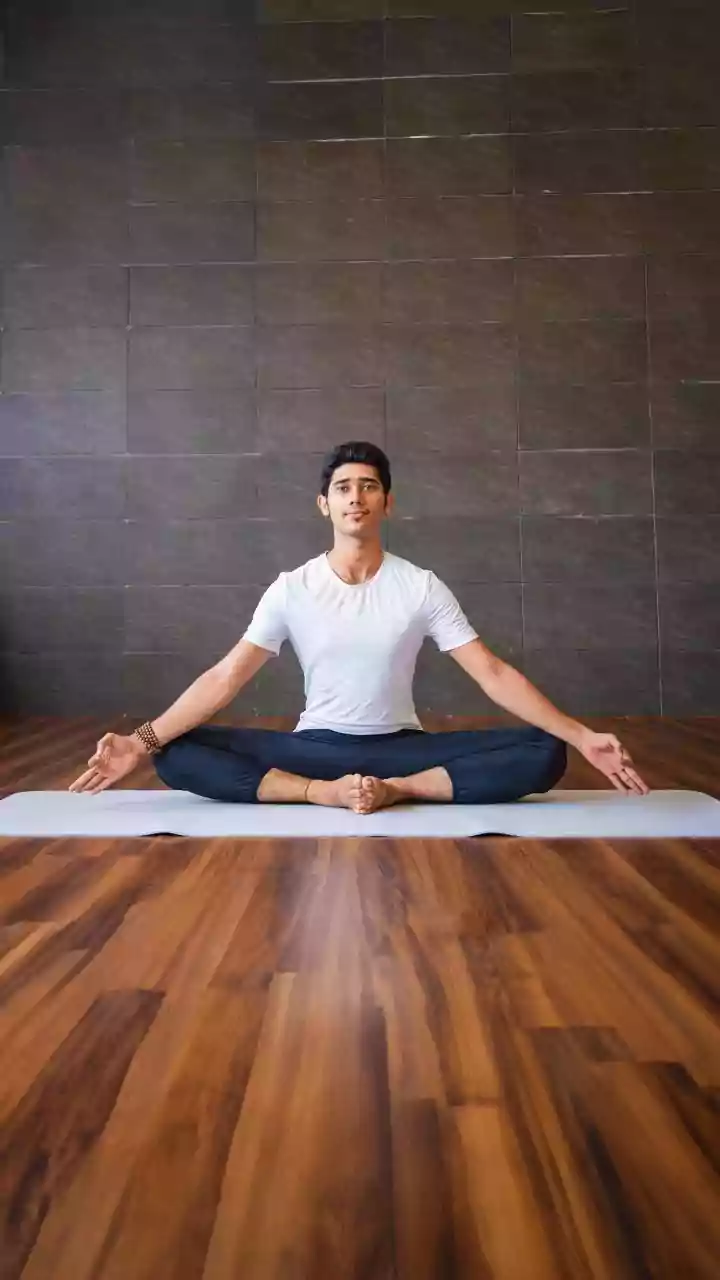
The life of a young, urban Indian is often a blur of long work hours, grueling commutes in traffic-choked cities, and intense academic or professional pressure. Time is the most precious and scarce commodity. The idea of adding a two-hour gym trip (including travel) to an already packed 12-hour day is simply a non-starter for many. Home workouts offer a solution that fits into the cracks of a busy schedule. A 30-minute HIIT session before work, a 20-minute yoga flow during a lunch break, or a late-night workout without worrying about gym closing times—this flexibility is non-negotiable. It’s a life-hack that allows them to reclaim control over their time and well-being in a world that constantly demands more from them.
A Redefined Idea of Wellness
For previous generations in India, fitness was often secondary, an afterthought to career and family obligations. But for today's youth, wellness is increasingly seen as a core component of a successful life. It's not just about physical appearance; it’s a tool for managing the immense stress and anxiety that come with a hyper-competitive environment. Exercise is being reframed as mental healthcare. This shift in mindset is profound. They are the first generation to grow up with a globalized understanding of health, one that integrates physical activity, nutrition, and mental peace. Swearing by consistent home workouts isn't just about saving money or time; it's an act of self-care and a statement of priorities for a generation determined to build a healthier, more balanced future for themselves.