


The Hill Station You've Never Heard Of
For most Americans, the idea of an Indian vacation conjures images of the Taj Mahal’s perfect symmetry, the chaotic energy of Delhi’s markets, or the sun-drenched beaches of Goa. But tucked away in the Western Ghats mountain range of Maharashtra, a few
hours’ drive from Mumbai, lies a destination built on a completely different appeal: atmosphere. Mahabaleshwar, once the summer capital of the Bombay Presidency during the British Raj, was designed as an escape. British officials and their families would retreat to its cooler, higher altitudes to avoid the sweltering plains. They built charming colonial-style bungalows, manicured gardens, and a picturesque lake, creating a slice of England in the Indian hills. That legacy remains, but today’s travelers are discovering it for a very different reason.
Embracing the Monsoon Mist
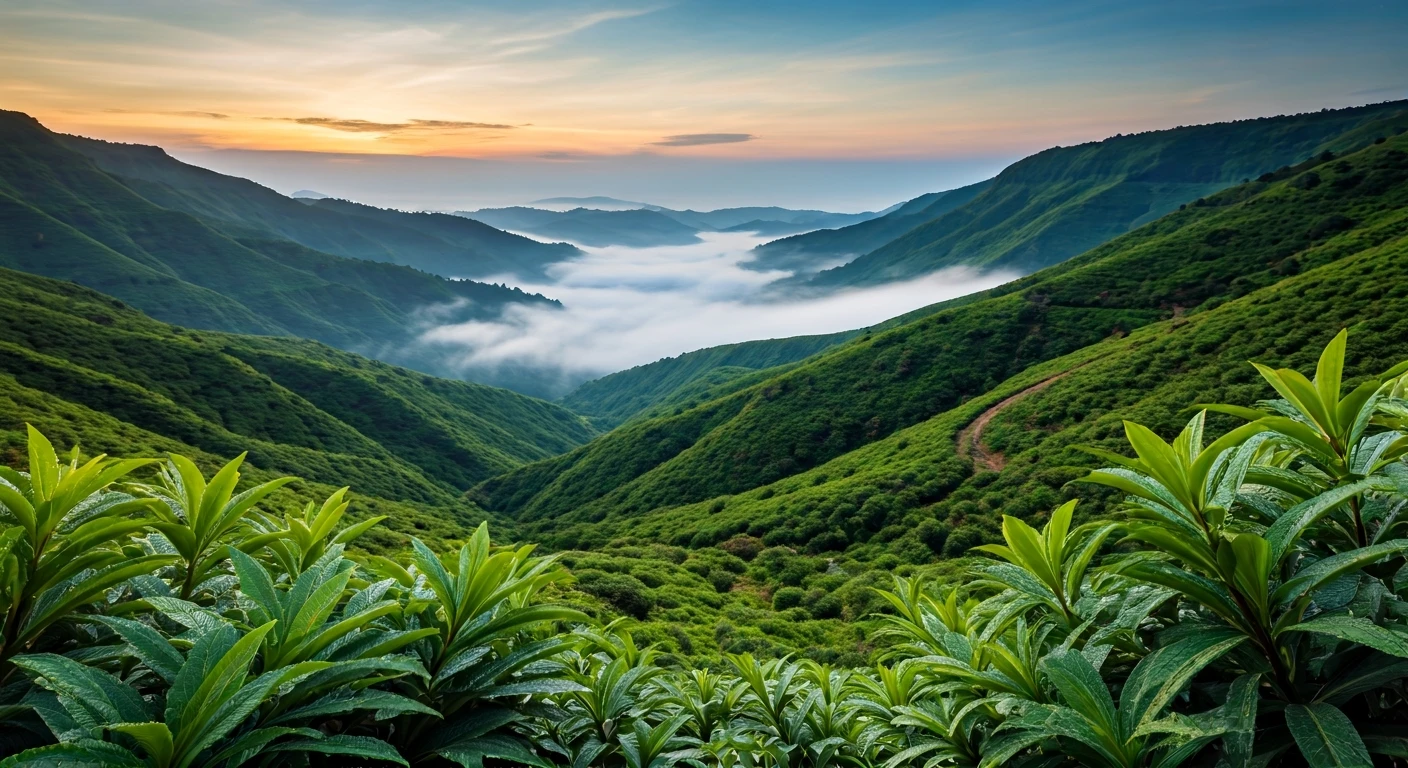
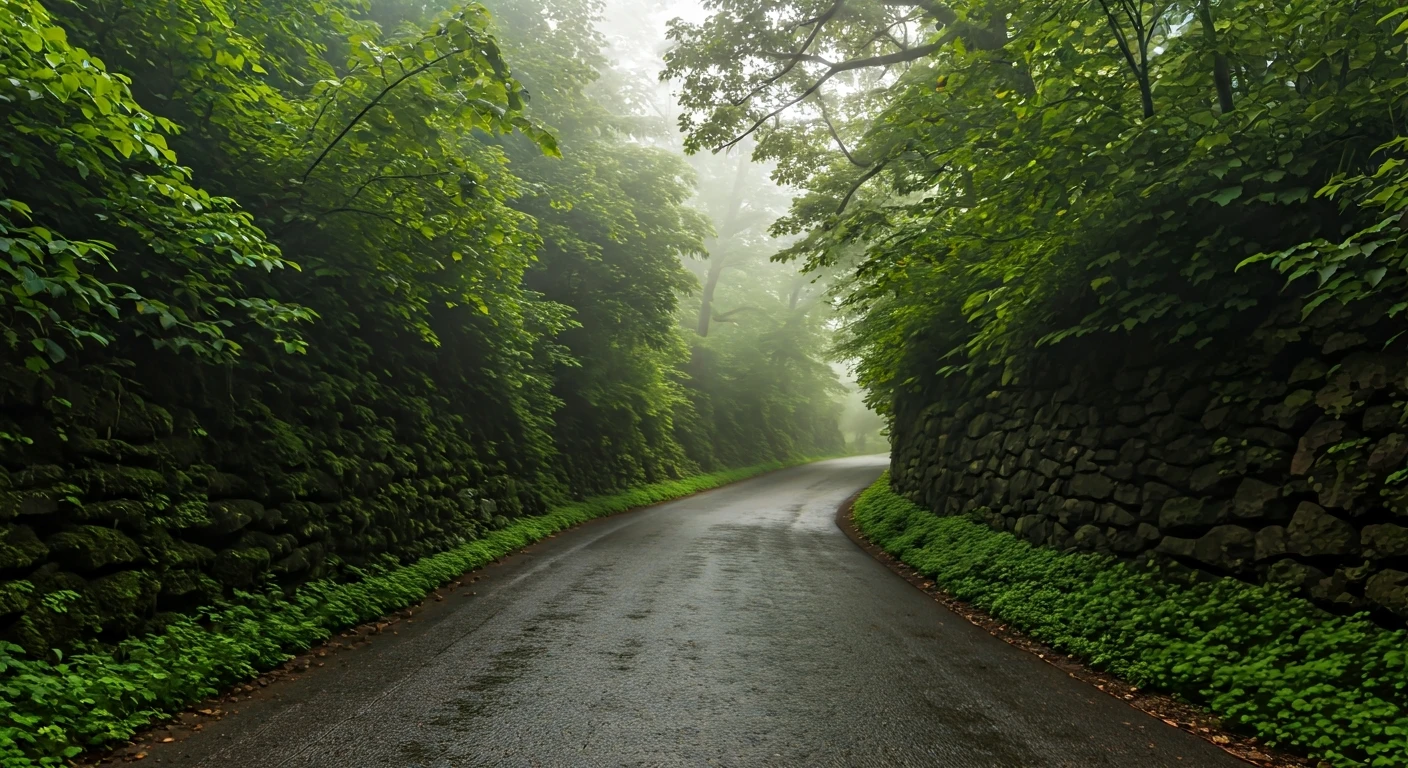
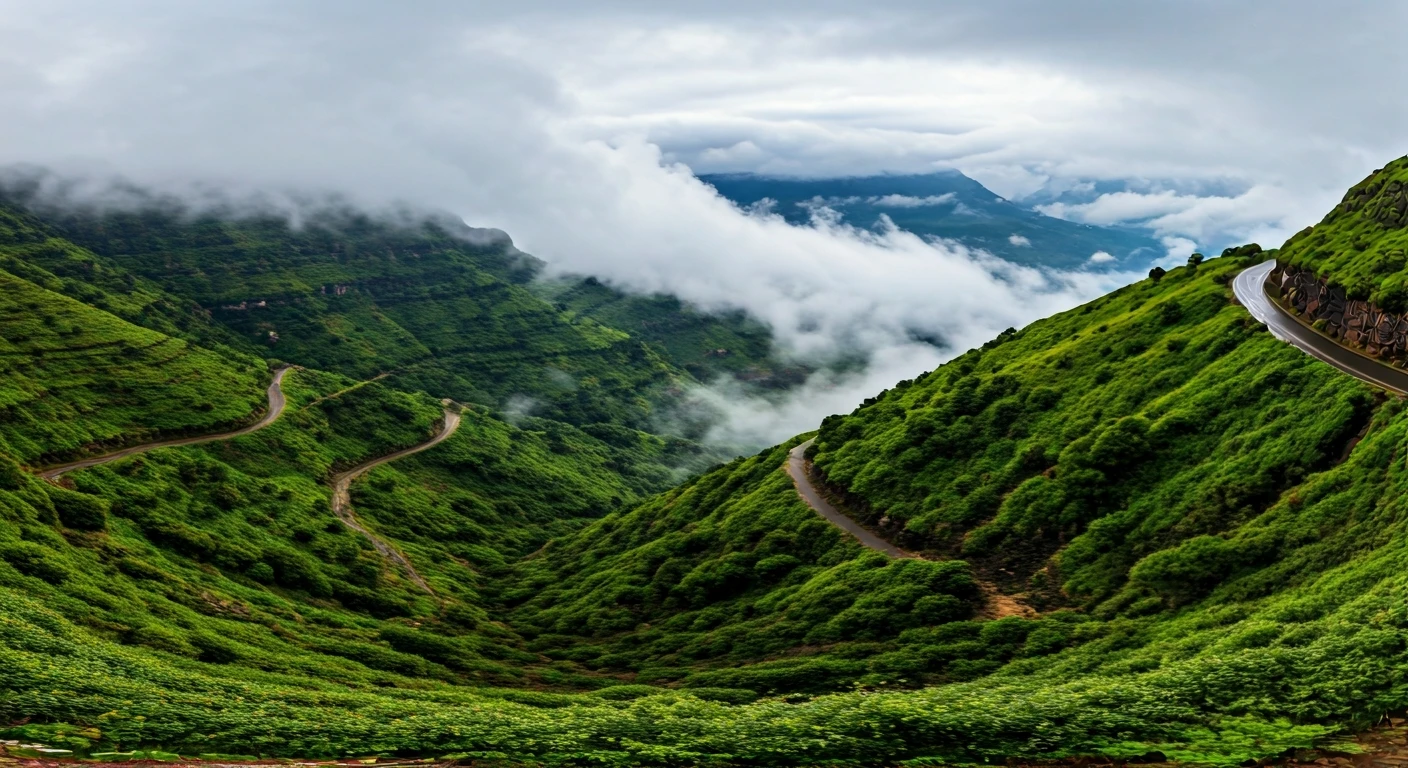
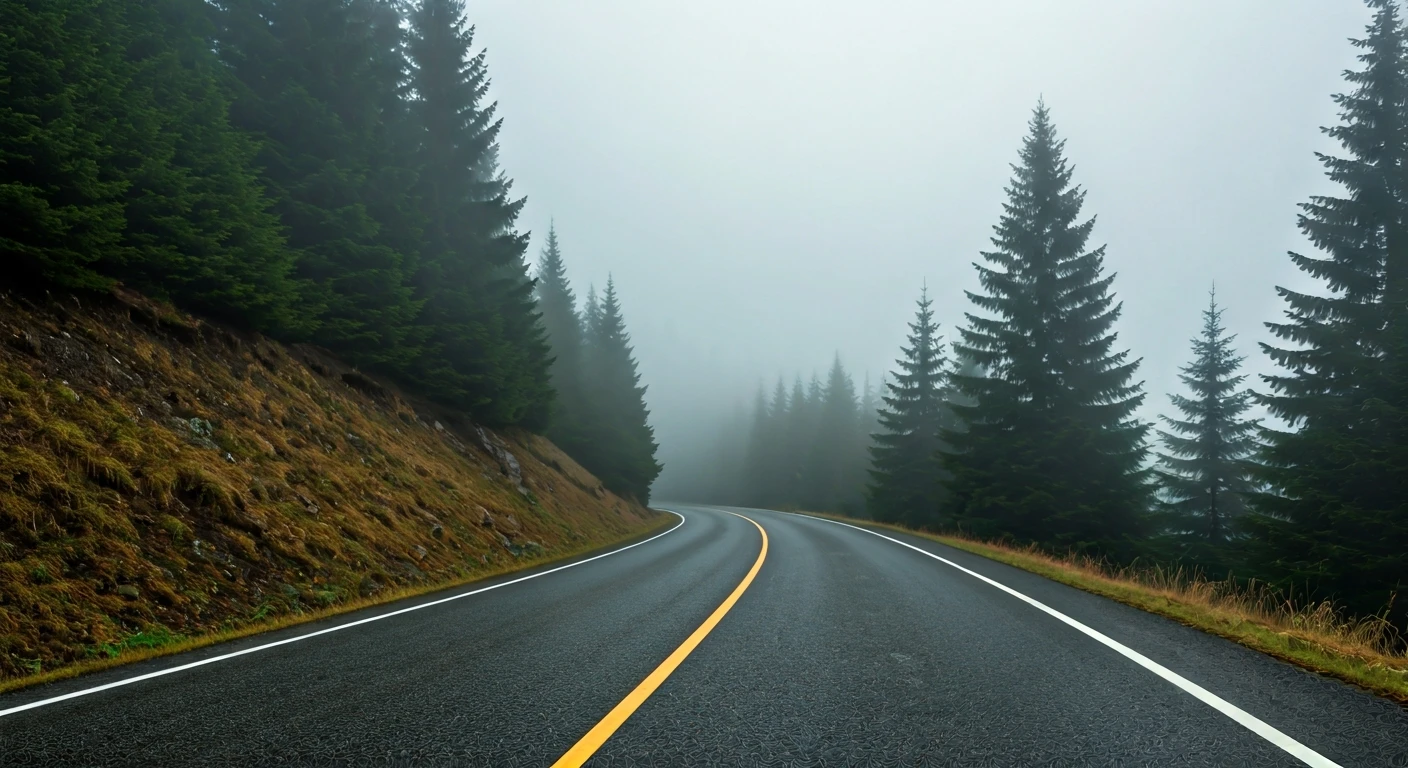
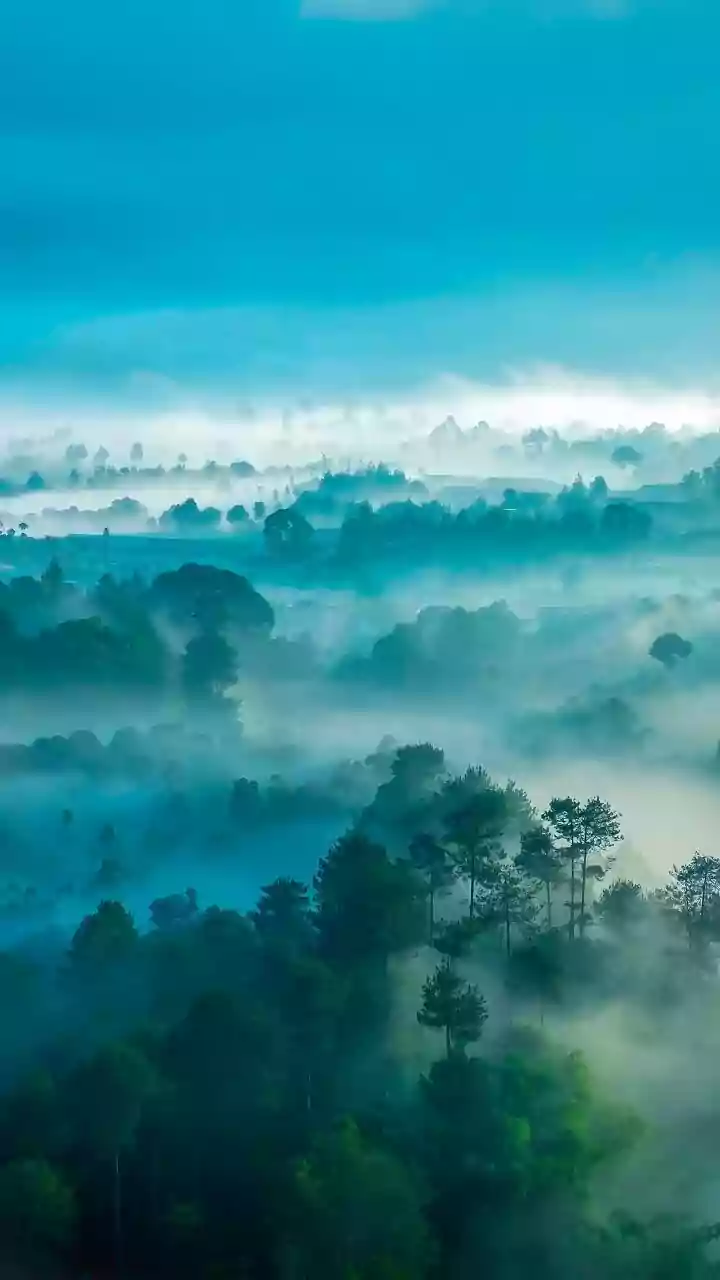
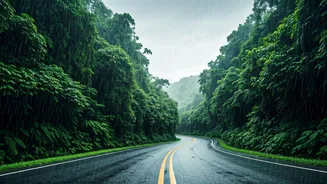
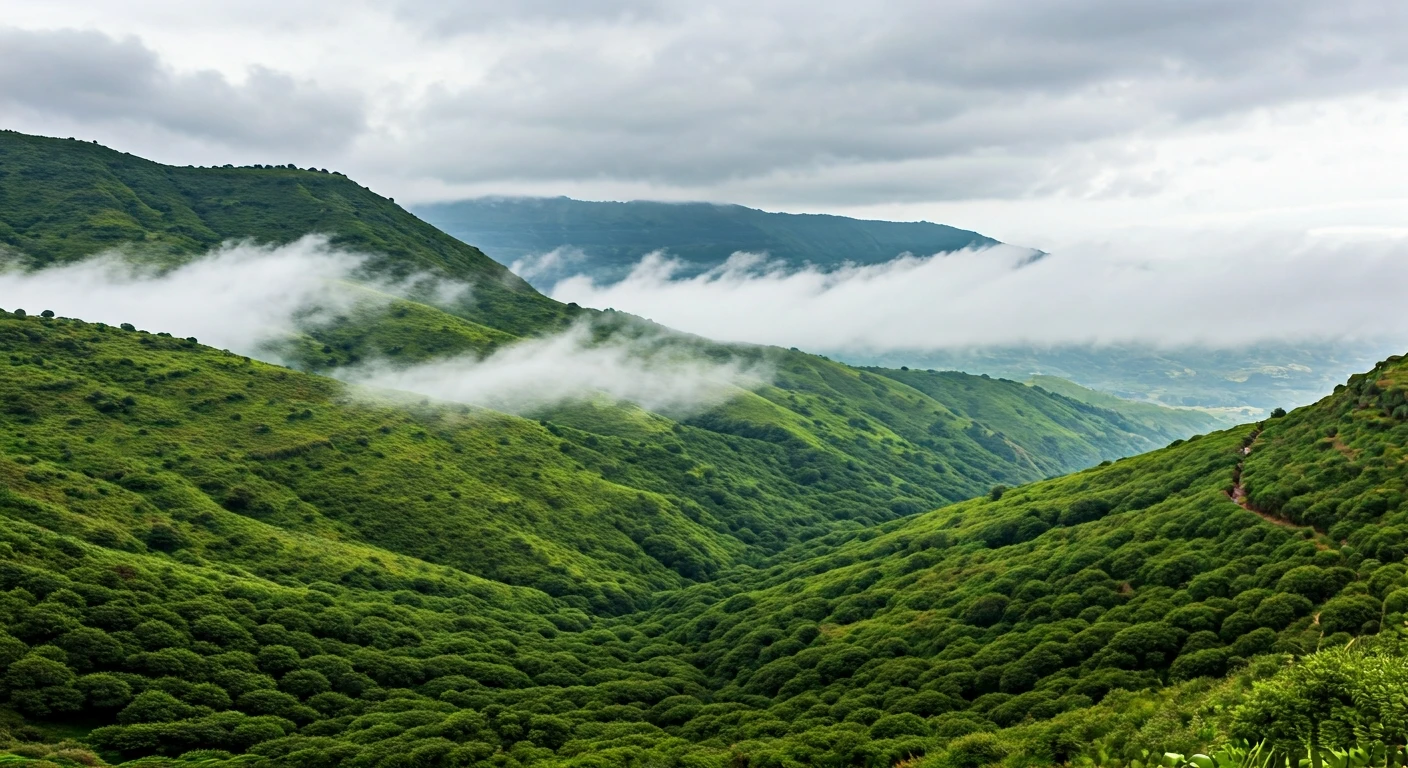
The secret to Mahabaleshwar's resurgent charm isn't just its history, but its weather—specifically, the dramatic monsoon season. From June to September, the entire landscape is transformed. The brilliant sunshine of the dry season gives way to a persistent, romantic haze. Heavy fog, known locally as "jawli," drapes itself over the hills, creating an ethereal, almost mystical environment. Viewpoints that normally offer panoramic vistas become portals into a swirling white void. The air grows cool and smells of wet earth and lush vegetation. For travelers accustomed to chasing clear skies, the appeal might seem counterintuitive. But in a world of over-documented, Instagram-perfect spots, Mahabaleshwar’s fog offers something more profound: a chance to be present. It forces you to focus on the immediate, the sensory—the drip of water from a fern, the distorted echo of a distant voice, the feeling of a cloud on your skin.
Strawberries, Sunsets, and Slow Travel
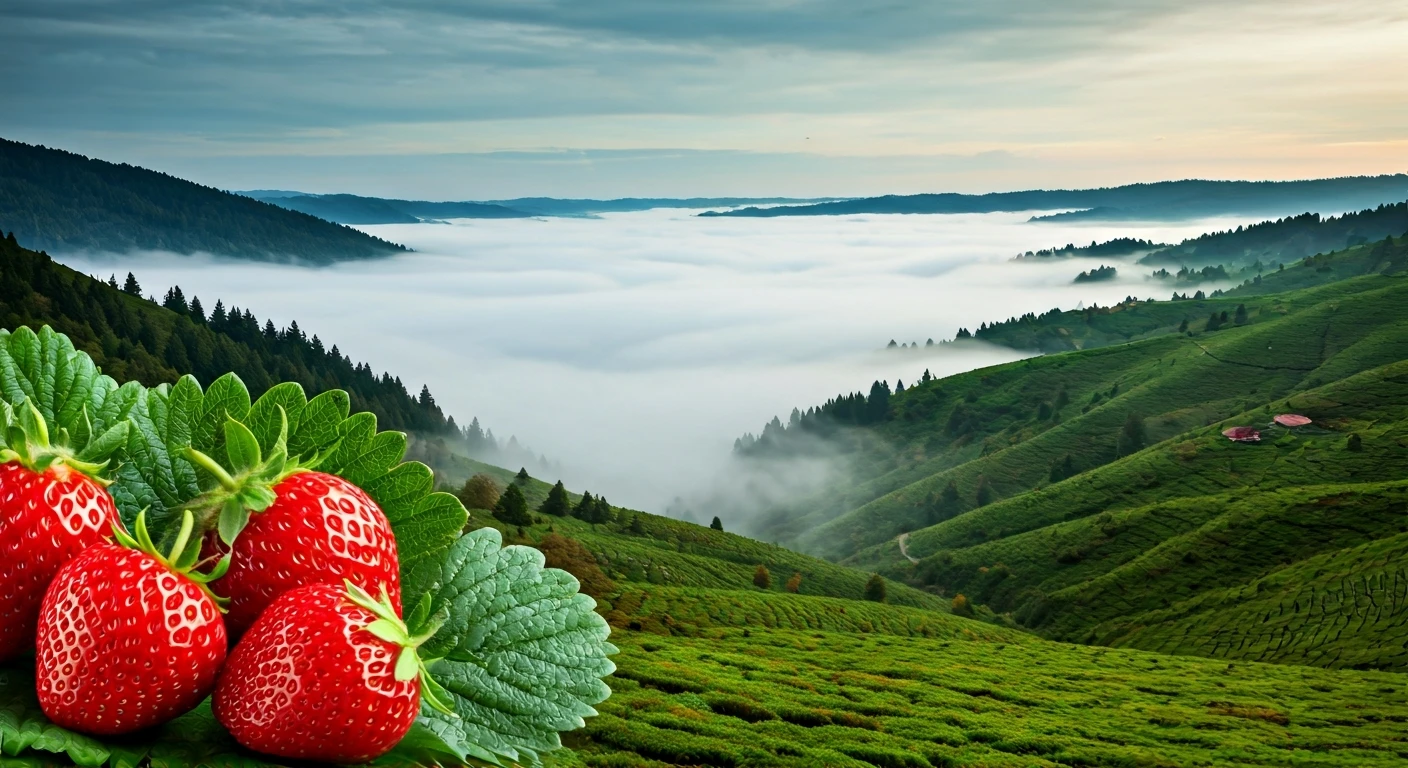
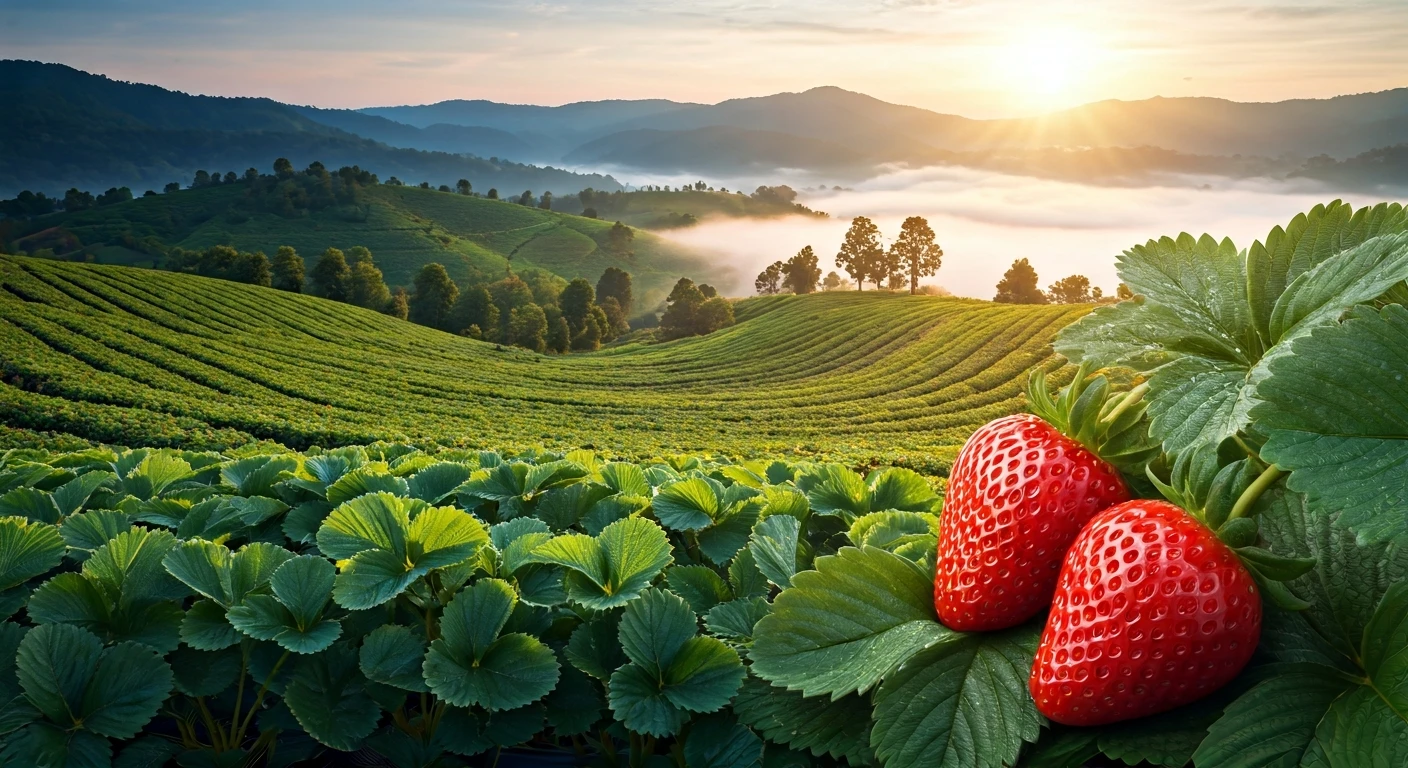
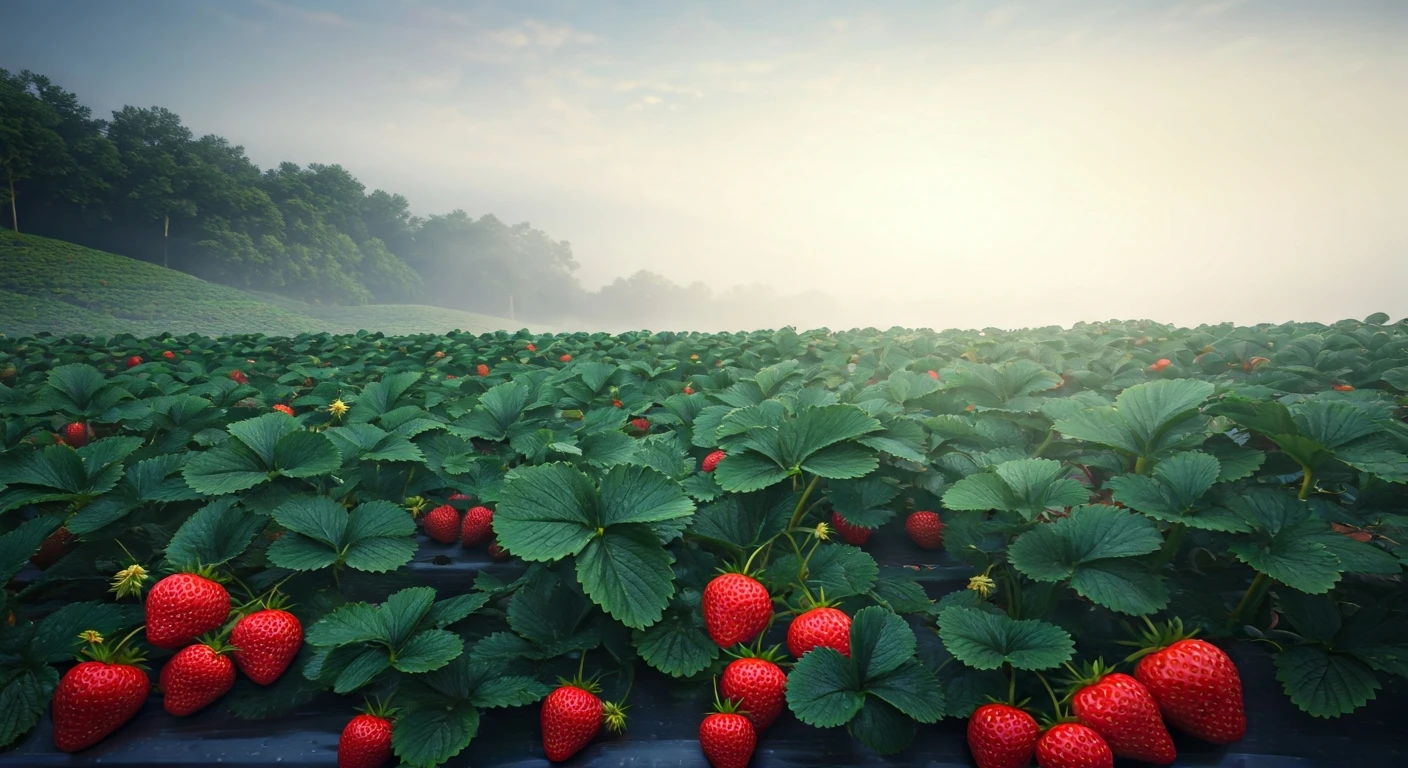
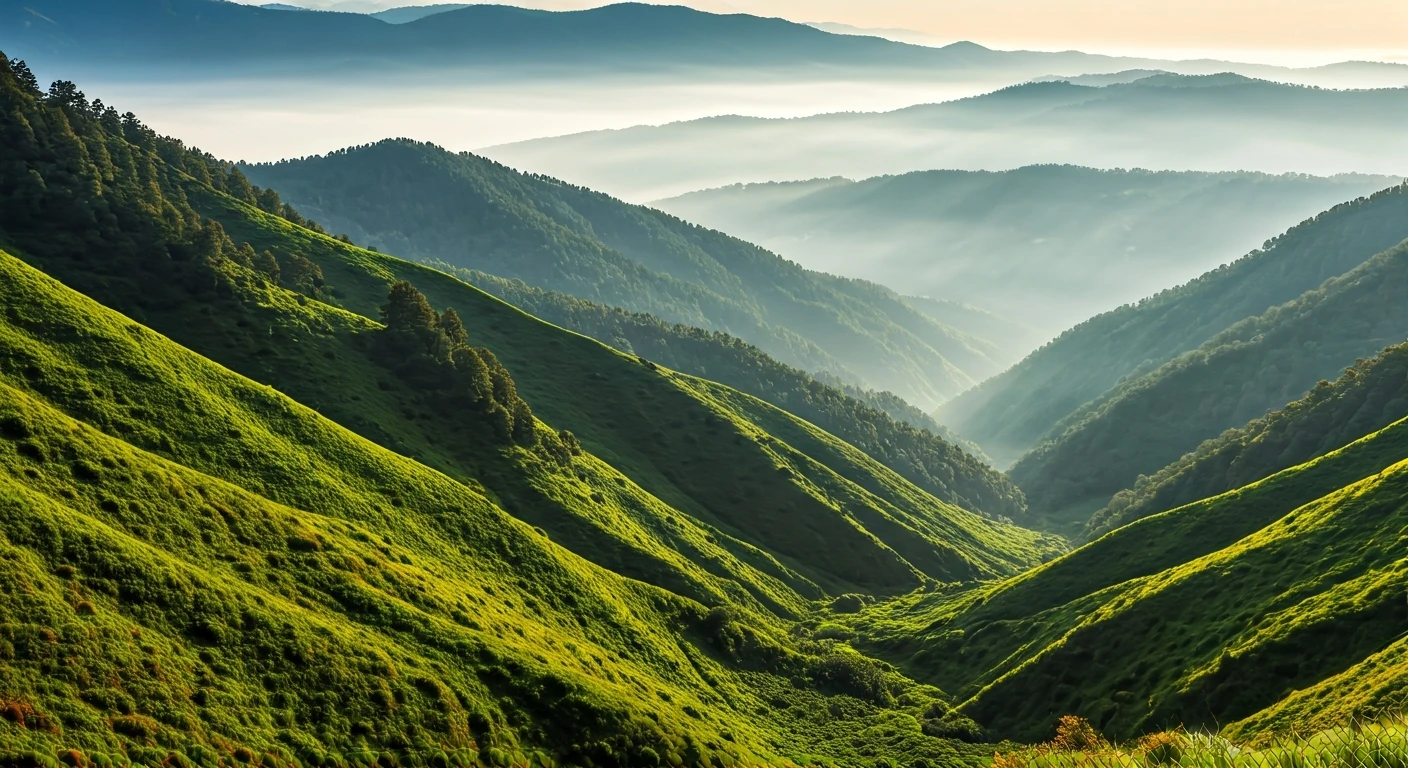
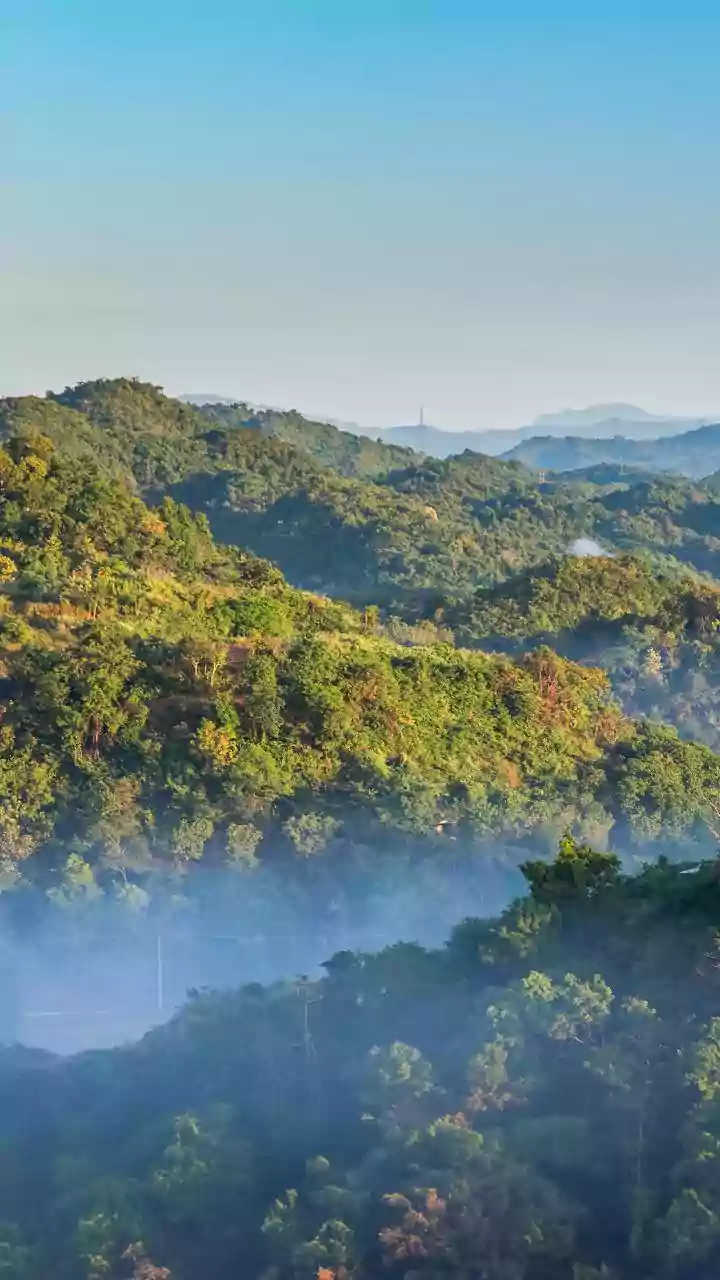
Of course, a destination can't thrive on fog alone. When the mist does part, it reveals a network of stunning viewpoints, like Arthur's Seat and Elephant Head Point, which offer breathtaking (if fleeting) glimpses of the verdant valleys below. The region is also the strawberry capital of India, and from November to March, you can visit farms to pick your own fruit or indulge in fresh strawberry cream, a local delicacy that’s become legendary. At the heart of the old town, Venna Lake offers serene boat rides, a classic pastime that has endured for generations. But these activities aren't a checklist to be frantically completed. They are invitations to slow down. The pace of Mahabaleshwar encourages leisurely walks through the woods, long afternoons spent reading on a veranda, and quiet evenings watching the fog roll back in. It's the antithesis of the hurried city-break.
An Antidote to the Over-Touristed
So why is this misty hill station finding its way back onto wishlists? Perhaps it’s because it offers an antidote to the modern travel grind. In an age of overtourism, where popular destinations feel crowded and commercialized, Mahabaleshwar provides a sense of quiet discovery. It’s not about seeing and being seen; it's about feeling and being. The destination resonates with a growing desire for “slow travel”—a more mindful, immersive approach that prioritizes connection over consumption. It’s for the traveler who finds beauty not just in a perfect sunset, but in the moody grey of a foggy afternoon; the one who seeks quiet contemplation over crowded attractions. It’s a place that doesn’t shout for your attention, but quietly waits for you to notice its subtle, enveloping magic.