



The Ascent to a Glacial Jewel
The experience of Tsomgo Lake begins not at its shore, but on the winding 25-mile road from Gangtok, the capital of Sikkim. This is no ordinary drive. It’s a vertical pilgrimage that spirals up through misty forests of rhododendron and magnolia, past
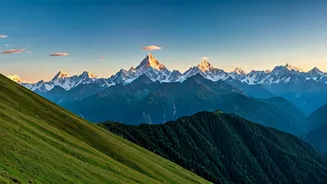
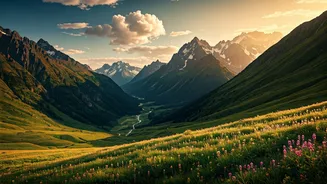
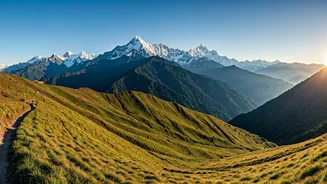
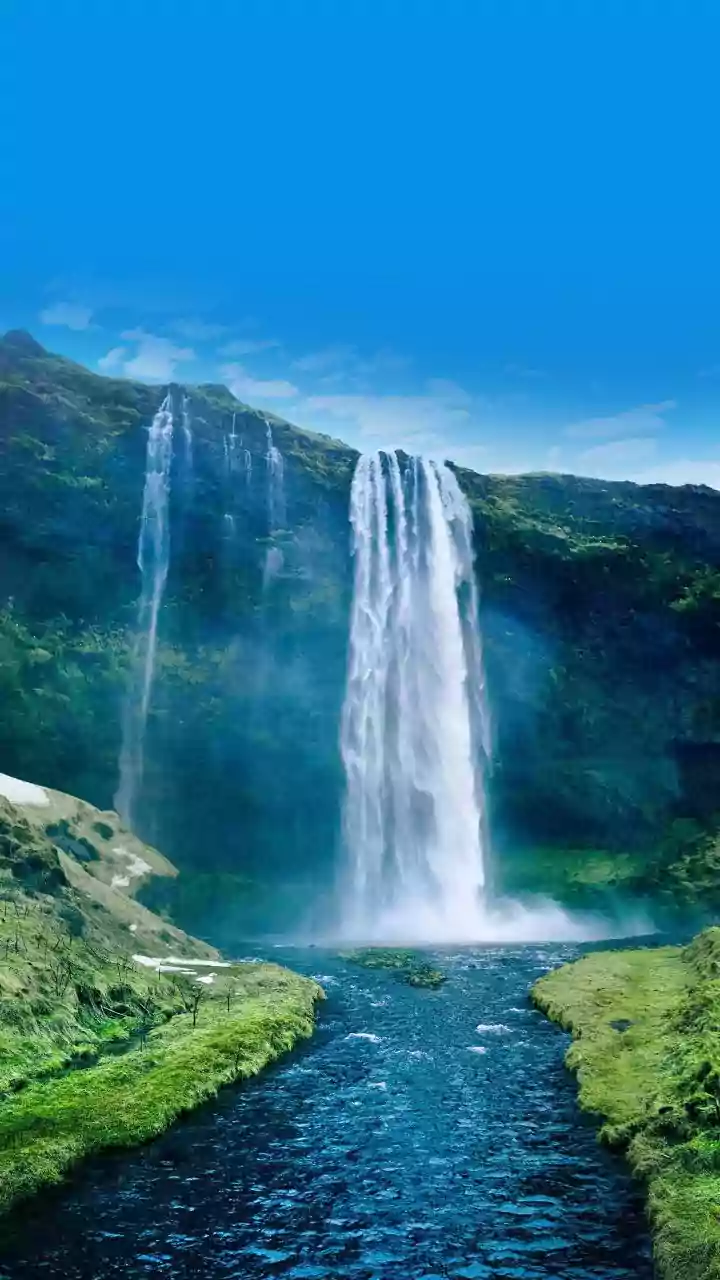
cascading waterfalls, and around hairpin bends that reveal staggering drops into deep valleys. As you climb higher, the air thins and cools. The landscape shifts from lush green to the rugged, stark beauty of the high Himalayas. You are ascending to an altitude of 12,313 feet, and every twist in the road builds anticipation for the spectacle that awaits. For travelers, this journey is a rite of passage, a slow, deliberate shedding of the world below to prepare for the profound tranquility of the lake.
A Lake That Holds the Seasons
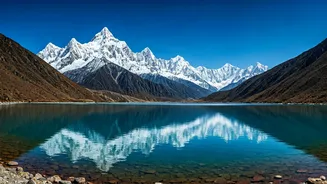
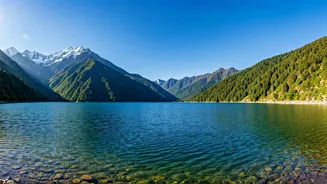
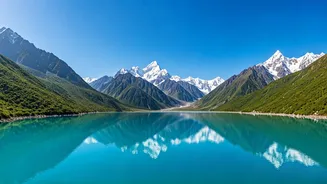
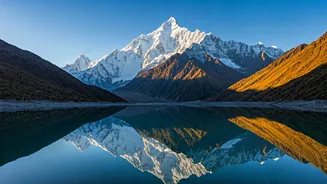
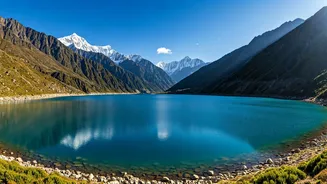
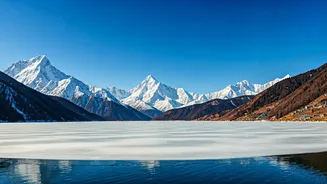
Locally known as Changu Lake, Tsomgo is a body of water steeped in legend and reverence. Fed by the melting snows of the surrounding mountains, its name translates to “source of the lake” in the Bhutia language. For the Sikkimese people, its waters are sacred, and local shamans were once said to study its changing colors to foretell the future. The lake’s personality transforms dramatically with the seasons. In the deep freeze of winter, it becomes a solid sheet of ice, a frozen expanse where only the bravest winds dare to tread. But as spring arrives, the ice cracks and melts away to reveal a placid, emerald-blue surface so clear and still that it becomes a near-perfect mirror for the sky and the colossal peaks that encircle it.
The Five Treasures of the Great Snow
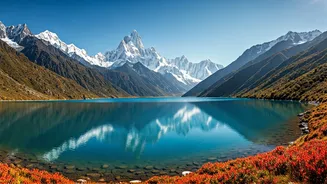
On a clear day, the ultimate prize appears. Reflected in the lake’s crystalline surface is the majestic massif of Kanchenjunga, the third-highest mountain on Earth. Its name means “The Five Treasures of the Great Snow,” a reference to its five distinct peaks, which local beliefs hold as repositories of gold, silver, gems, grain, and holy books. Kanchenjunga is not just a mountain; it is the guardian deity of Sikkim. Seeing its formidable, ice-caked summit floating in the waters of Tsomgo Lake is a profoundly spiritual and humbling experience. The view is famously fickle, often shrouded in a veil of clouds. But when the weather parts, the reflection creates a stunning optical illusion—a gateway between the earth and the heavens, connecting the sacred water below with the sacred peak above.
More Than Just a Reflection
While the view of Kanchenjunga is the main event, the atmosphere around Tsomgo Lake is an attraction in itself. The shoreline is often dotted with colorfully adorned yaks and mules, patiently waiting to give visitors a short, memorable ride along the water’s edge. Strings of Tibetan prayer flags flutter violently in the wind, sending blessings across the stark landscape. Small stalls run by locals offer steaming cups of tea and instant noodles—simple comforts that feel like gourmet luxuries in the thin, cold air. The area is also a gateway to even higher altitudes, sitting on the old trade route that connects India to Tibet. The famed Nathu La Pass, a border crossing into China, is just a few miles further up the road, a tantalizing reminder of the region’s geopolitical significance.
Discovering Sikkim's Quiet Charm
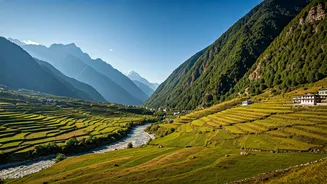
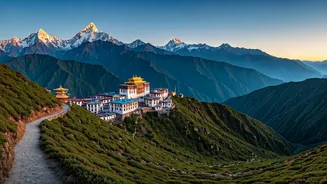
Tsomgo Lake is the crown jewel of a region that remains one of India’s best-kept secrets. Sikkim, a former independent kingdom that joined India in 1975, has a unique cultural identity—a peaceful blend of Tibetan Buddhism, Hinduism, and indigenous traditions. The state has fiercely protected its natural environment, banning plastic bags and championing organic farming long before it became a global trend. For the American traveler weary of overrun tourist traps, Sikkim offers something increasingly rare: a chance to encounter authentic culture and jaw-dropping Himalayan landscapes without the crowds. A trip here requires a special permit due to its sensitive border location, but this small bureaucratic step ensures the region remains pristine and its magic preserved.