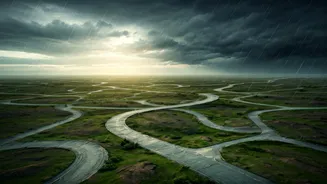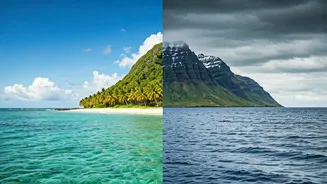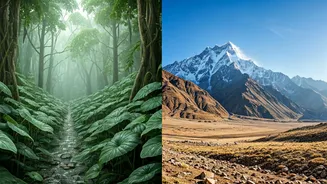





First, What Is El Niño Anyway?
Let’s keep it simple. El Niño isn't a storm; it's a large-scale climate pattern. It happens every few years when the surface waters of the eastern Pacific Ocean, along the equator, get unusually warm. Think of it like a giant heat patch in the ocean that’s
big enough to mess with weather systems across the globe. This isn't just a local event for South America; the ripple effects can influence everything from hurricane season in the Atlantic to, yes, the weather in India. For scientists, it’s a well-known cycle. But in recent years, its name has started popping up in a new place: travel forums and trip-planning conversations.
The India Connection
So why does a warm patch of ocean thousands of miles away matter for your trip to see the Taj Mahal? It all comes down to the monsoon. India’s climate, agriculture, and daily life are all built around the annual monsoon rains that sweep across the subcontinent from roughly June to September. El Niño has a habit of disrupting this crucial weather system. A strong El Niño often correlates with a weaker, drier, and more erratic monsoon in India. This can lead to two major issues for travelers: more intense and prolonged heatwaves, especially before the (delayed or weakened) rains arrive, and water scarcity in certain regions. Instead of the lush, green landscapes one might expect, some areas can become hotter and dustier than usual.
From Forecasts to Forum Chats
This is where the headline comes to life. A decade ago, only meteorologists and farmers were anxiously tracking El Niño’s effect on India. Today, a quick search on any travel forum or social media group dedicated to Indian travel will reveal threads asking: “Is it too hot to visit Rajasthan in April because of El Niño?” or “Will the backwaters in Kerala have enough water in October?” Travel agents are now fielding questions about weather anomalies and finding themselves acting as amateur climatologists. Travelers are becoming more aware that global climate patterns can have a very real, tangible impact on their vacation experience, from comfort and safety to the simple beauty of the landscape they paid to see.
So, Should You Cancel Your Trip?
In a word: no. But you should plan smarter. India is a vast and geographically diverse country. The impact of a weak monsoon or a heatwave is not uniform. While the plains of North India might be scorching, the Himalayan foothills in states like Himachal Pradesh or Uttarakhand could offer a cool, pleasant refuge. The end of the year, from October to March, is generally considered the best time to visit most of the country, and this remains true even during an El Niño cycle. The key isn't to avoid India, but to approach your itinerary with a new layer of climate awareness. Think of it less as a dealbreaker and more as another variable to consider, alongside your budget and your bucket list.
Tips for the Climate-Savvy Traveler
If you're planning a trip during a year with a strong El Niño forecast, a few adjustments can make all the difference. First, be flexible with your timing if you can; shoulder seasons might be more pleasant than peak hot months. Second, consider your destinations. Instead of the deserts of Rajasthan in May, maybe explore the tea plantations of Darjeeling or the mountains of Ladakh (which has a separate weather pattern). Third, pack accordingly. Lightweight, breathable fabrics, a reusable water bottle to stay hydrated, sunscreen, and a wide-brimmed hat are no longer optional—they’re essential. Finally, monitor local news and weather reports as your trip approaches. Being informed allows you to adapt your plans on the ground, ensuring your adventure is memorable for all the right reasons.