
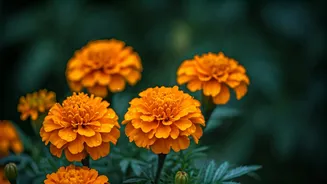


The Rain-Soaked Spotlight
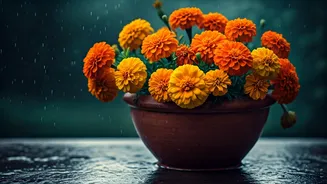
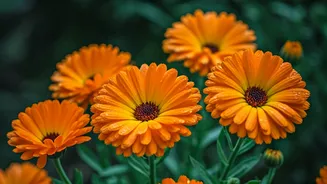
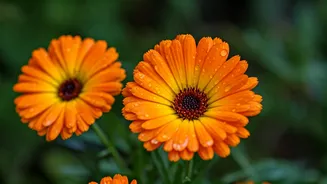
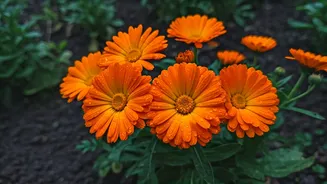
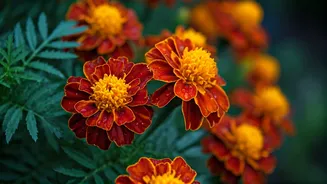
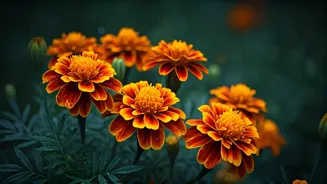
There's a unique beauty to a marigold in the rain. While other, more delicate flowers might become translucent or tattered, the dense, velvety petals of a marigold seem to hold water droplets like tiny jewels. The effect is stunning. The familiar fiery
oranges, sunny yellows, and deep burgundies don't fade into the gloom; they intensify, providing a much-needed focal point when the rest of the landscape is muted and drab. It’s not just about survival; it's a visual performance. The compact, sturdy structure of many marigold varieties means they are less likely to flop over in a deluge. They are the garden's character actors, bringing texture and depth to the scene long after the divas have wilted.
A Resilient, Hard-Working Core
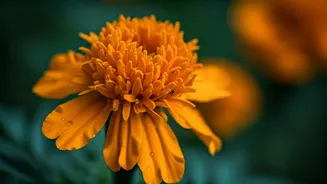
The “drama” isn’t just aesthetic; it’s about resilience. Marigolds are famously tough, and this applies to their performance in wet weather, with one important caveat: drainage. They don’t like to sit in a puddle. Plant them in well-draining soil—whether in a pot with good drainage holes or a raised garden bed—and they will reward you by shaking off rain showers with impressive speed. Their waxy foliage helps shed water, reducing the risk of the fungal diseases like powdery mildew that plague other plants in humid, damp conditions. If a particularly heavy rain weighs down their pom-pom-like blooms, a gentle shake of the stem once the sun is out is often all they need to bounce back. This hardiness makes them an ideal, low-anxiety choice for gardeners in regions with unpredictable summer storms.
The Unseen Drama Below
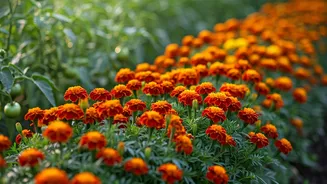
Some of the marigold’s most dramatic work happens out of sight. They are renowned in the gardening world for their role as a “companion plant,” and much of that reputation comes from their ability to wage subterranean warfare. The roots of certain marigold varieties, particularly French marigolds (Tagetes patula), release a chemical that is toxic to root-knot nematodes—microscopic pests that can wreak havoc on the root systems of vegetable plants like tomatoes, peppers, and squash. Planting a border of marigolds around your vegetable patch is like hiring a team of tiny, beautiful bodyguards. This isn’t just folklore; studies have confirmed their effectiveness as a natural form of pest control. They also deter other pests above ground, as their strong, pungent scent is disliked by everything from cabbage worms to, reportedly, rabbits.
Casting Your Leading Flower
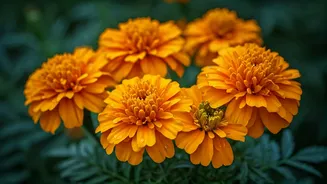
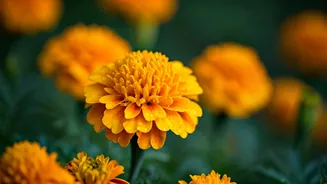
Not all marigolds are created equal, and choosing the right one can enhance the drama. For a tall, scene-stealing presence at the back of a border, look to African marigolds (Tagetes erecta). They boast large, globe-like flowers on stems that can reach up to three feet. For a more compact but equally vibrant performance, French marigolds (Tagetes patula) are perfect for lining pathways, filling containers, or creating that protective barrier around your vegetables. Their blooms are often bicolored and more delicate in appearance, but they are workhorses. Finally, there are the more subtle Signet marigolds (Tagetes tenuifolia), which have lacy foliage and smaller, single-petaled flowers, offering a different, more understated kind of beauty. All are easy to grow from seed, making them one of the most accessible and rewarding flowers for any garden.