






The New Non-Negotiable
In the world of travel planning, some things are sacred: budget, dates, and destination. For decades, the weather was a secondary concern—a detail to be managed with a raincoat or sunscreen packed at the last minute. But a significant shift is underway,
particularly among India’s rapidly growing class of domestic and international tourists. The weather forecast has been promoted from a minor detail to a primary decision-maker. Travel agents and booking platforms in India report a surge in weather-related inquiries and even last-minute destination changes. A family’s meticulously planned summer trip to the mountains of Himachal Pradesh might be rerouted to the beaches of Goa if monsoon warnings flash red. A European tour is no longer just a “tour of Europe”; it’s a tour of regions not currently experiencing a record-breaking heatwave. This isn't just about avoiding a little rain. It’s a fundamental reordering of priorities, where meteorological certainty is becoming a form of luxury.
A Climate of Uncertainty
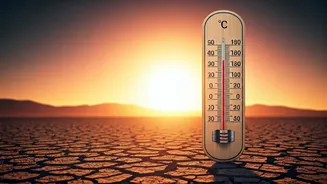
The primary driver behind this behavioral shift is undeniable: the increasing frequency and intensity of extreme weather events. The images are inescapable. One season, it’s devastating floods sweeping through Himalayan tourist towns; the next, it’s news of tourists being evacuated from Greek islands engulfed by wildfires. Back home, cities like Delhi and Mumbai grapple with staggering heatwaves and unpredictable monsoon patterns. These events, amplified by 24/7 news cycles and social media, have created a new kind of travel anxiety. The romantic idea of “getting away from it all” has been punctured by the reality that “it all”—the volatility of a changing climate—is now everywhere. Indian travelers, who have witnessed these disasters firsthand or through the vivid accounts of friends and family, are becoming profoundly risk-averse. They are no longer willing to gamble their vacation time, money, and safety on the whims of an increasingly hostile climate. A clear forecast is the only insurance that seems to work.
Technology in Every Pocket
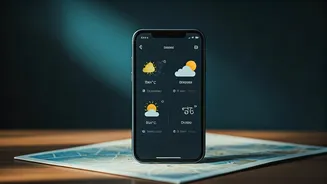
This heightened caution is enabled and amplified by technology. A decade ago, getting a reliable, long-range forecast for a specific, remote location was difficult. Today, hyper-local weather data is available on a dozen different apps, updated in real-time on the smartphone in everyone's pocket. This easy access to information has empowered travelers to become their own risk managers. They can track storm fronts, monitor heat domes, and check humidity levels with a few taps. This digital toolkit allows for a level of flexibility that was previously impossible. A group of friends can monitor the monsoon's advance and decide, just 48 hours before their trip, to pivot from a trekking adventure to a city break. Social media also plays a crucial role, with travelers sharing real-time updates from their destinations, offering a crowdsourced layer of information that often proves more immediate and persuasive than official reports. The question is no longer “What’s the weather like there?” but “What is the app saying it will be like next Tuesday at 2 PM?”
The Evolving Indian Traveler
This trend also tells a story about the changing nature of the Indian consumer. The country's economic growth has created a massive, aspirational middle and upper-middle class with disposable income and a passion for travel. But unlike the backpackers of a previous generation, this new cohort often travels with families, has higher standards for comfort and safety, and views vacations as a well-earned right. They are savvy, digitally fluent consumers who research extensively and demand value for their money. A vacation ruined by a predictable weather event is not seen as a charming misadventure; it's seen as a failure of planning and a waste of precious resources. This consumer mindset, applied to the travel industry, means that predictability and safety are now premium products. Travel companies are responding by offering more flexible booking options and “weather-proof” itineraries, recognizing that peace of mind is the ultimate selling point.