


The Death of the 'Just Pizza' Mindset
For decades, pizza occupied a specific, beloved space in the American culinary psyche: it was fast, affordable, and deeply casual. It was the food of Friday nights, football games, and last-minute dinners. But a seismic shift is underway. Across the country,
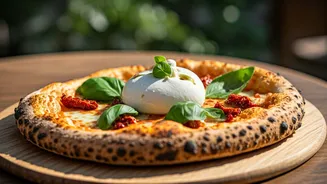
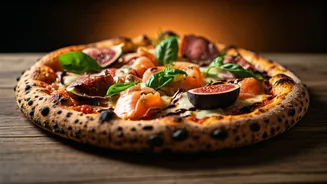
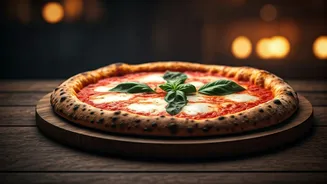
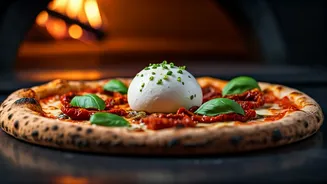
a new breed of pizzeria is rewriting the rules, turning the humble pie into an object of culinary reverence and the centerpiece of a premium night out. This isn't about simply adding truffle oil to a floppy crust. The artisanal pizza movement is rooted in technique, sourcing, and obsession. We’re talking about sourdough starters nurtured for years, flours imported from Italy, and tomatoes grown in the volcanic soil of Mount Vesuvius. The ovens are often monolithic, wood-fired domes from Naples, burning at temperatures that produce a perfectly charred, puffy crust—the coveted 'leoparding'—in under 90 seconds. The person making your pizza isn't just a cook; they're a 'pizzaiolo,' a craftsman dedicated to their art.
Blurring Casual with Fine Dining
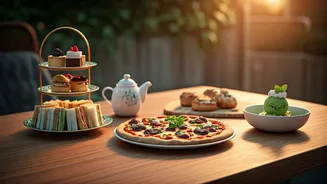
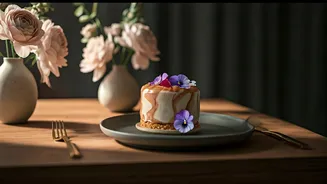
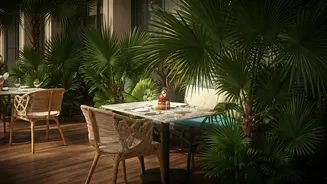
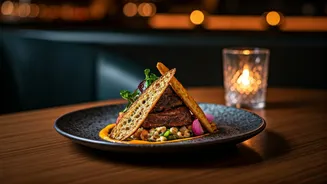
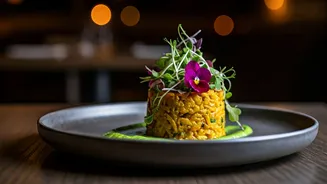
What truly makes these new pizzerias feel 'premium' isn't just the food itself, but the entire experience built around it. They are mastering the art of 'elevated casual,' a concept that borrows the best parts of fine dining—attentive service, sophisticated ambiance, a curated beverage program—and applies them to a more accessible format. The music is well-chosen, the lighting is moody and flattering, and the tables are filled with people on actual dates, not just families grabbing a quick bite. You won't find shakers of stale parmesan or generic red pepper flakes here. Instead, you'll see small-batch hot honey, house-infused chili oils, and perhaps a side of stracciatella cheese. The menu extends beyond the pie, featuring market-driven salads, inventive small plates like wood-fired vegetables or cured meats, and desserts that go far beyond a sad cannoli. And the drink list? It’s often as considered as the food, with natural wines, local craft beers, and amaro-based cocktails replacing pitchers of light beer.
Why We're Willing to Pay More
This premium experience, unsurprisingly, comes with a premium price tag. A margherita pizza that might cost $15 at a neighborhood joint can easily command $25 or more at one of these establishments. A pie with more elaborate toppings could push $30. So why are we lining up to pay for it? The trend taps into several modern consumer desires. First is the craving for authenticity and story. Knowing your pizza dough underwent a 72-hour cold fermentation process or that the basil was grown locally makes the experience feel more special. Second is the post-pandemic recalibration of dining out. After years of being stuck at home, many diners want an experience that feels worth the effort of leaving the house, and 'just a pizza place' often doesn't cut it anymore. Finally, it’s a perfect fit for the social media age. That blistered, leopard-spotted crust is incredibly photogenic, turning every meal into shareable content that signals good taste.
The New Dinner Destination
The success of artisanal pizzerias proves that a 'premium' night out doesn't require white tablecloths or a multi-course tasting menu. It's about taking a familiar, universally loved food and executing it to the highest possible standard, then wrapping it in an experience that feels special and intentional. It offers a perfect middle ground: more exciting than a chain restaurant but less formal and financially intimidating than traditional haute cuisine. By focusing on quality, craft, and atmosphere, these restaurants have successfully repositioned pizza. It's no longer just the fallback plan when you don't want to cook. It's the plan. Making a reservation at the hot new pizzeria has become a status symbol in itself, proof that you’re in the know about where to find the best slice in town. The pizza isn't just part of the meal; it's the destination.