








The New Pre-Flight Ritual
Imagine this: your plane has just touched down at JFK or SFO after a long-haul flight. While many passengers are anxiously searching for airport Wi-Fi to call a ride or message family, a growing number of travelers are simply turning their phones off
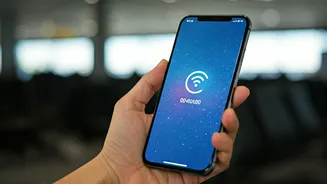
airplane mode. Seconds later, they’re online, browsing maps and booking an Uber, their U.S. data plan already active. This isn’t a special corporate perk; it’s the new standard for tech-savvy globetrotters, a trend prominently led by visitors from India. Instead of dealing with expensive roaming charges or hunting for a physical SIM card, they are using a few minutes of downtime before departure to activate a local data plan on their phone, completely digitally.
So, What Is an eSIM?
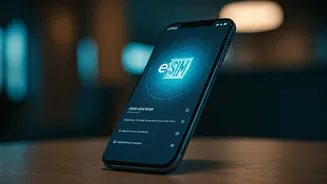
At the heart of this travel hack is the eSIM, or “embedded SIM.” Unlike the tiny plastic cards we’ve been popping into our phones for decades, an eSIM is a small, rewritable chip built directly into your device's hardware. Think of it as a digital, programmable version of a traditional SIM. This technology, which has become standard in most smartphones released in the last few years (including iPhones since the XR and many Android models), allows you to activate a cellular plan from a carrier without needing a physical card. For travelers, the process is revolutionary. You simply download an app from a provider like Airalo, Holafly, or Nomad, choose a data package for your destination country, pay for it, and scan a QR code. Your phone now has a secondary, local data plan ready to go.
Why the Trend Is Surging from India
Several factors make this trend particularly strong among Indian travelers. First is sheer volume and tech fluency. India is one of the world's largest and fastest-growing markets for international travel, and its population is famously quick to adopt new technology. Second, the cost of international roaming on Indian mobile plans can be prohibitively expensive, making a prepaid eSIM a far more economical choice. A one-week data plan for the U.S. purchased through an eSIM app can cost a fraction of a typical roaming package. Finally, the convenience factor is a massive draw. For tourists, business travelers, or students arriving in the U.S. for the first time, having immediate connectivity for navigation and communication removes a significant layer of stress and uncertainty.
The American Traveler's Takeaway
While this trend is highly visible among visitors to the U.S., the lesson is universal—and particularly valuable for Americans traveling abroad. The same challenges Indian travelers face with roaming exist for Americans heading to Europe, Asia, or South America. Relying on your home carrier's international day pass can add up quickly, and buying a local SIM card abroad can involve language barriers and registration hurdles. By adopting the eSIM strategy, you can enjoy the same benefits: significant cost savings, immediate connectivity upon landing, and the security of not having to hand over your passport in a foreign mobile shop. It transforms your smartphone into a truly global device, ready for any destination.
How to Get Started in Minutes
Ready to try it on your next trip? The process is surprisingly simple. First, confirm that your smartphone is eSIM compatible—a quick online search of your model will tell you. Next, head to your phone's app store and search for “eSIM travel.” You'll find a variety of reputable providers. Compare their data packages for your destination based on price, data amount, and duration. After purchasing your chosen plan within the app, you'll typically receive a QR code and instructions. In your phone's settings, you'll add a new “Cellular Plan” or “eSIM” and scan the code. You can install the eSIM at home before you leave and simply switch it on when your plane lands. It's a simple pre-flight task that pays huge dividends in convenience and peace of mind.