






1. The Unfiltered Sensory Reality
Close your eyes and picture a spiritual gathering. If you’re imagining a clean, quiet interface on your laptop, the Puri Rath Yatra, or Chariot Festival, is its polar opposite. This isn’t a curated digital event; it's a full-body sensory immersion. The
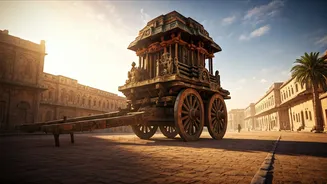
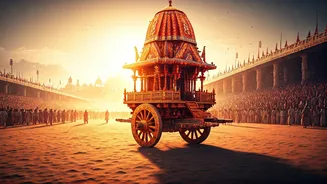
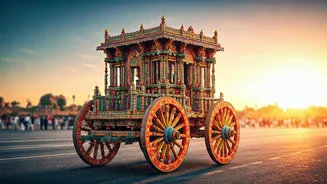
air hangs thick with the scent of incense, marigolds, and street food. The sound is a constant, overwhelming symphony: the clang of brass gongs, the roar of a million voices chanting, the rhythmic drumming that seems to vibrate in your bones. Towering over it all are three colossal wooden chariots, 45 feet tall, brightly painted and swathed in fabric. You don't just watch this festival on a screen; you feel, hear, and breathe it. An online stream can show you the sights, but it can't transmit the feeling of the ground trembling as the chariots begin to move or the collective gasp of the crowd.
2. The Power of a Million-Person Crowd
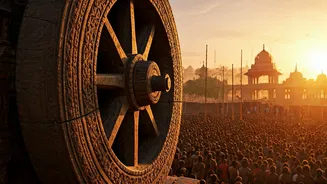
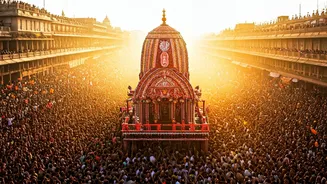
Sociologists call it “collective effervescence”—the electric sense of shared emotion and identity that can only happen when a large group of people gathers in one place for a common purpose. Online communities create connection, but they can't replicate the raw, kinetic energy of a million devotees packed into the streets of Puri, Odisha. During Rath Yatra, individuals from all walks of life merge into a single, flowing river of humanity. There's a shared purpose that transcends personal identity: to see the deities Jagannath, his brother Balabhadra, and sister Subhadra journey from their main temple to the Gundicha Temple. Being part of this immense, pulsing organism creates a feeling of belonging and transcendence that a chat window or a livestream comment section can never approximate. It's the difference between watching a concert on YouTube and being in the front row, feeling the bass drum in your chest.
3. Spirituality as a Physical Act
Modern online spirituality often focuses on the mind—calming thoughts, guided visualizations, intellectual sermons. The Rath Yatra is profoundly physical. The centerpiece of the festival involves devotees grabbing thick, coarse ropes and pulling the massive, multi-ton chariots through the streets. This is not a symbolic gesture; it's a strenuous, collective act of physical labor and devotion. Pulling the chariot is considered an immense blessing, a way of directly serving and connecting with the divine. Sweat, strain, and sore muscles are part of the spiritual experience. This tangible effort—the feeling of the rope in your hands and the shared struggle with thousands around you—grounds faith in the body. It’s a powerful reminder that spirituality isn’t just an abstract concept but a lived, embodied reality.
4. A Connection Beyond a Wi-Fi Signal
An online gathering is contingent on technology. A bad connection, a software glitch, or a dead battery can sever the link instantly. The Puri festival is rooted in something more ancient and resilient: raw, unmediated human presence. For the days of the festival, the focus is entirely on what is happening in the here and now. The experience is not filtered through an algorithm or curated for engagement. It’s chaotic, unpredictable, and sometimes uncomfortable, but it is undeniably real. It forces you to be present in a way that digital life rarely does. In this space, the most important connection isn't your internet speed; it's the eye contact with a fellow devotee, the shared meal, or the simple, powerful act of standing together under the same sky, witnessing the same spectacle.
5. The Weight of Unbroken Tradition
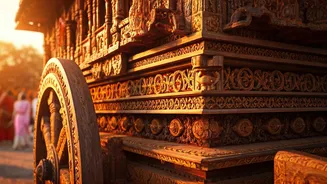
While many online spiritual platforms are new, products of the last decade, the Rath Yatra is a living link to centuries of history. Texts describing the festival date back to the medieval era, and its core rituals have remained remarkably consistent. When a devotee pulls the chariot rope, they are participating in the same act of faith as countless generations before them. This deep historical continuity provides a profound sense of depth and meaning. It connects the individual not just to a community in the present, but to a long, unbroken chain of belief stretching back through time. This is a kind of spiritual inheritance that newly formed digital platforms, however well-intentioned, simply cannot offer. It is the difference between reading a history book and standing inside a pyramid.