



The Snack Aisle Time Machine
The evidence is everywhere. General Mills has repeatedly released its classic monster cereals—Count Chocula, Franken Berry, and Boo Berry—in throwback packaging from the 1980s. Dunkaroos, the long-lost kangaroo-themed cookie and frosting dip, made a triumphant
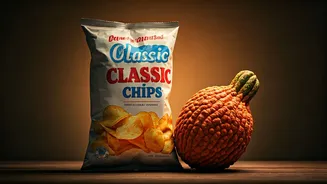
return to shelves after a years-long fan campaign. Hostess has kept its classic cupcake design, with the signature white squiggle, virtually unchanged for decades, a beacon of consistency in a chaotic world. Even fast-food giants are in on the act, with McDonald's launching a limited-run “Adult Happy Meal” complete with collectible retro-style toys. These aren't isolated incidents; they're part of a calculated and wildly successful trend. Brands are mining their archives, identifying the products that hold the most emotional resonance for adults who grew up in the '80s, '90s, and early 2000s, and re-introducing them to a market hungry for a taste of the past.
The Comfort Food Comeback
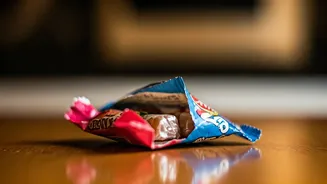
So, why now? The answer lies in the potent psychology of nostalgia. In times of uncertainty, stress, and rapid change—think a global pandemic, economic inflation, and deep social divides—we instinctively seek comfort. The past, viewed through the rose-tinted lens of memory, often represents a simpler, safer time. A Cosmic Brownie or a handful of brightly colored Trix cereal isn't just a snack; it's a low-cost, low-commitment ticket to a moment when your biggest worry was finishing your homework before your favorite cartoon came on. Marketing experts call this “nostalgia marketing.” It’s effective because it bypasses our rational brain and connects directly to emotion. A brand doesn’t need to convince you its product is good; it just needs to remind you of a time you *felt* good. This emotional shortcut is incredibly powerful, especially for a generation that’s now navigating mortgages, parenthood, and career pressures.
Grown-Up Wallet, Childhood Heart
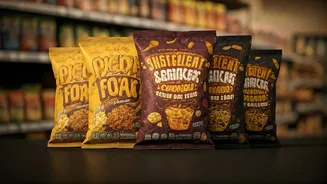
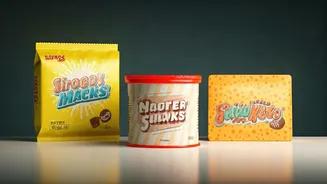
The primary targets of this trend are millennials and older Gen Zs. Millennials, now in their late 20s to early 40s, are in their peak earning and spending years. They are the primary grocery shoppers for their households, making decisions not only for themselves but also for their own children. They have the disposable income to indulge in a $5 box of cereal that reminds them of Saturday mornings, and they get a kick out of sharing a piece of their childhood with their kids. This demographic doesn't just have adult money; they have an adult appreciation for aesthetics, which is where the “better packaging” comes in. A straight-up re-release of an old product is one thing, but updating it with a matte finish, minimalist design, or ironic, self-aware copy makes it feel like a premium, intentional purchase rather than a regression. It makes the product 'grammable, shareable, and a marker of cultural savvy.
Not Just a Re-Release, A Remix
The “better packaging” isn't just literal. It also refers to the entire marketing ecosystem around the product. These aren't just put on a shelf with a “Now Back!” sticker. They are launched as “limited edition drops,” just like sneakers, creating a sense of urgency and exclusivity. They are promoted through influencer campaigns and TikTok trends, meeting the target audience on the digital platforms where they live. Sometimes the product itself is remixed. The flavors might be the same, but the ingredient list might be updated to remove artificial colors or high-fructose corn syrup, appealing to the modern consumer's health consciousness. This clever evolution allows adults to have it both ways: they get the nostalgic hit of their favorite childhood treat, but in a form that aligns with their current values and lifestyle. It’s the taste of childhood, approved by your adult self.