
The Invisible Risks on a Beautiful Berry
That perfect, glistening strawberry or plump blueberry looks pristine, but its surface can be a hiding place for unwanted passengers. We’re not just talking about a little field dirt. Fresh produce can carry harmful bacteria like Salmonella, E. coli,
and Listeria. These pathogens can contaminate fruit at any point on its journey from the farm to your kitchen—through soil, water, handling, or cross-contamination during transport. A 2018 FDA report highlighted several foodborne illness outbreaks linked to fresh fruits, including papayas and melons. Beyond bacteria, there's the issue of pesticides. While the U.S. regulates pesticide use, residues can remain on the skin of conventionally grown fruits. A quick, ineffective rinse won’t do much to remove these risks. Thinking of fruit as a 'natural' food that's clean right off the vine is a common mistake. In reality, it has been on a long, complex journey, and a thorough cleaning is the final, critical step before it’s truly ready to eat.
The Right Way to Wash Your Produce
So, what does 'proper washing' actually mean? According to food safety experts at the FDA and CDC, it’s simpler than you might think. You don’t need special produce washes, soaps, or detergents. In fact, using them is discouraged because they can leave behind their own residues that aren't meant for consumption. The best method is surprisingly low-tech: clean, cool running water and a bit of gentle friction. Start with clean hands. Wash them with soap and water for at least 20 seconds before you even touch the fruit. For fruits with firm skin—like apples, pears, lemons, or melons—use a clean produce brush to scrub the surface under running water. This helps dislodge dirt and microbes from the textured rinds. For softer fruits, the approach is gentler. The key is to wash produce right before you plan to eat or cook it. Washing it and then storing it can create a moist environment that actually encourages bacterial growth, causing your fresh finds to spoil faster.
Special Cases: Berries and Melons
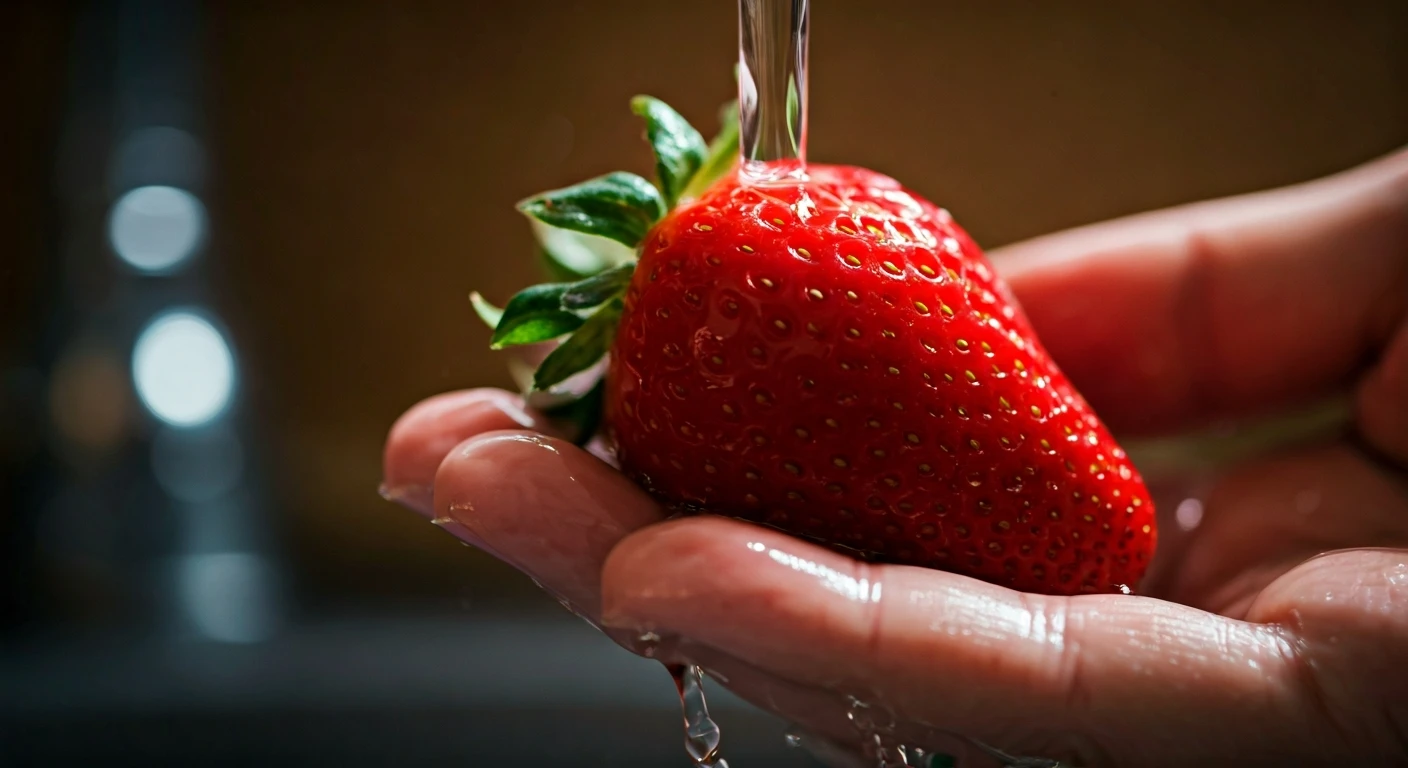
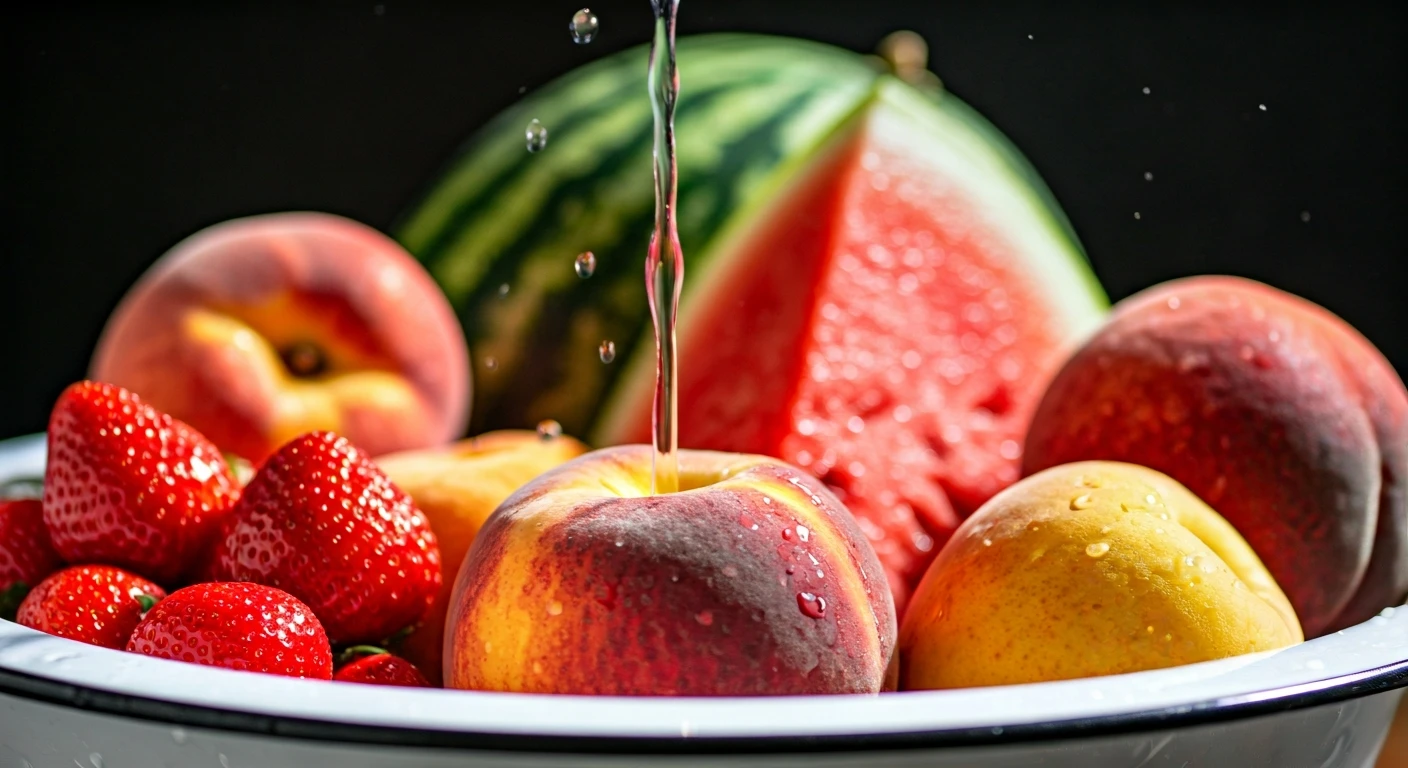
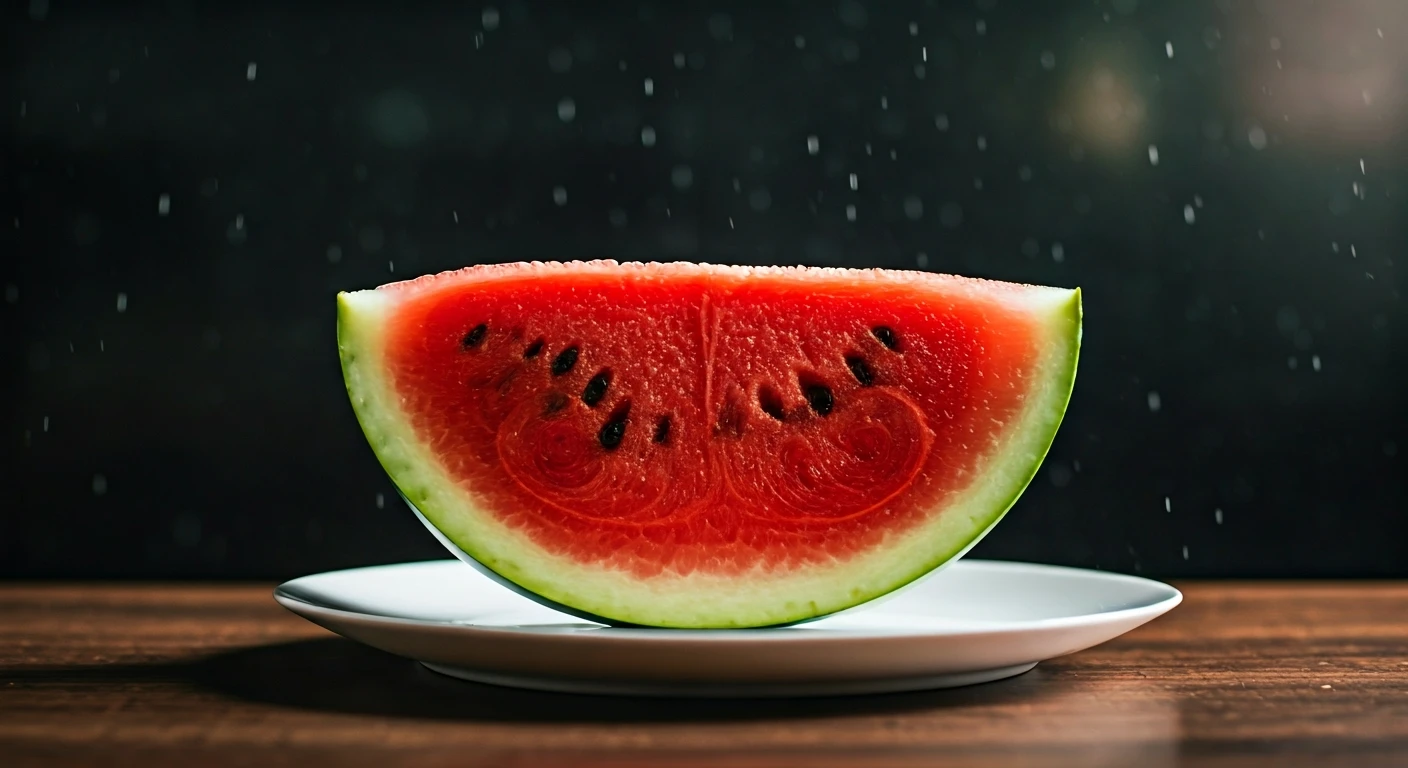
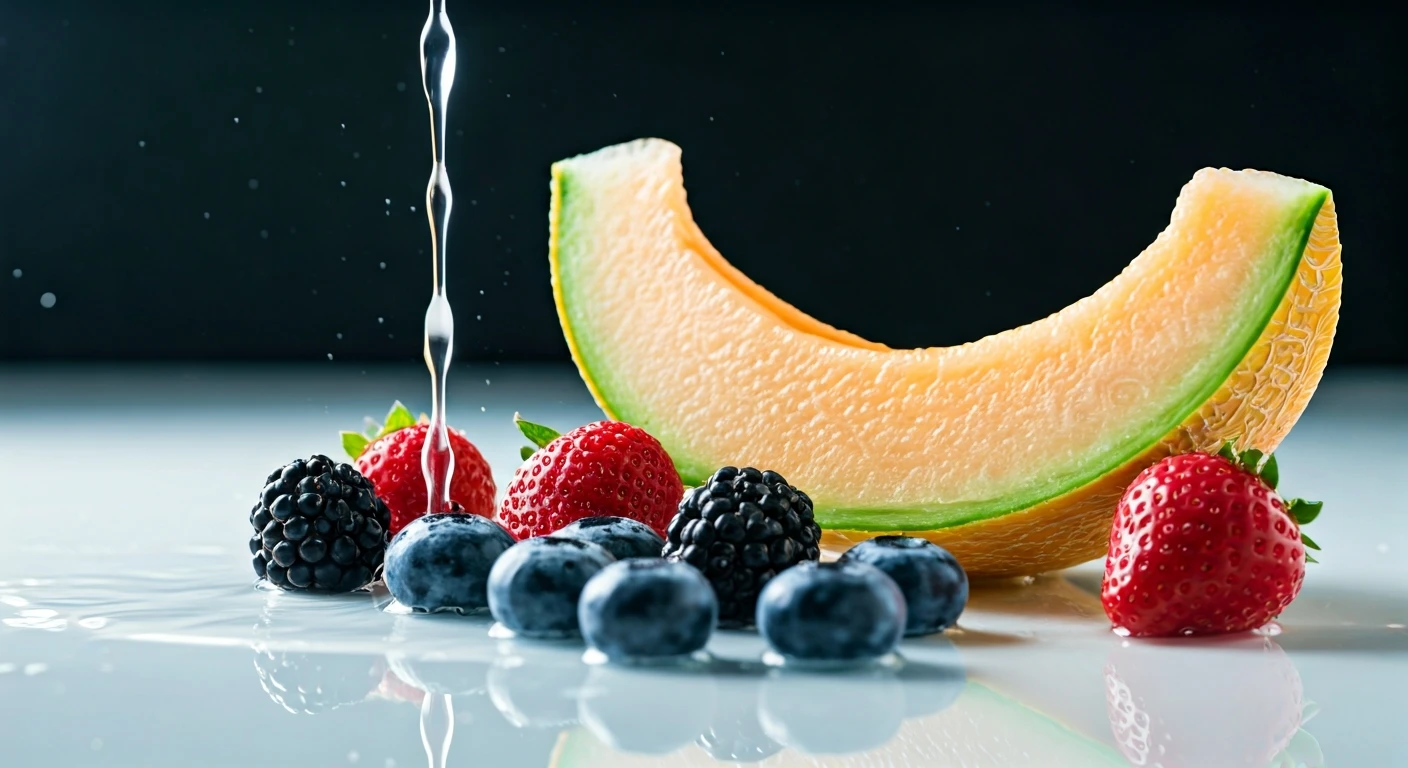
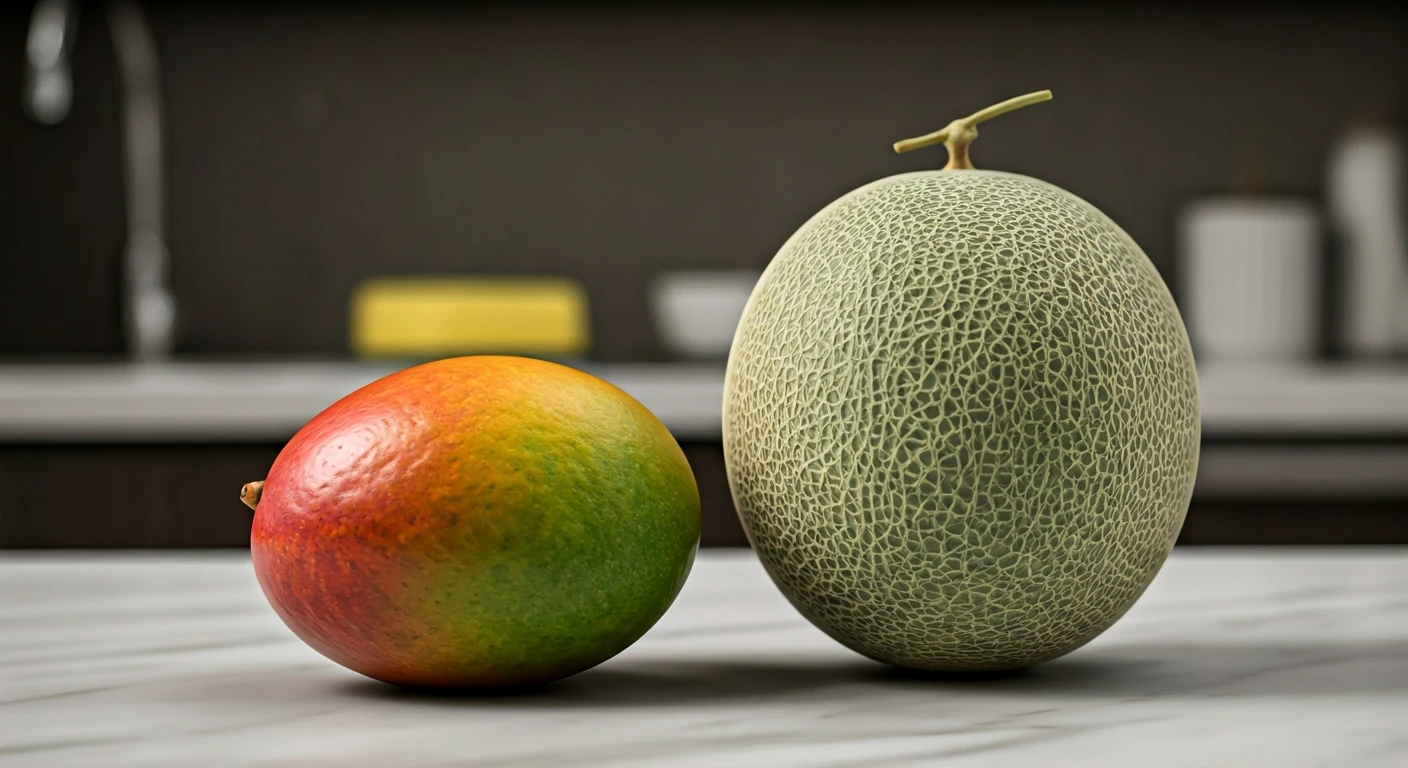
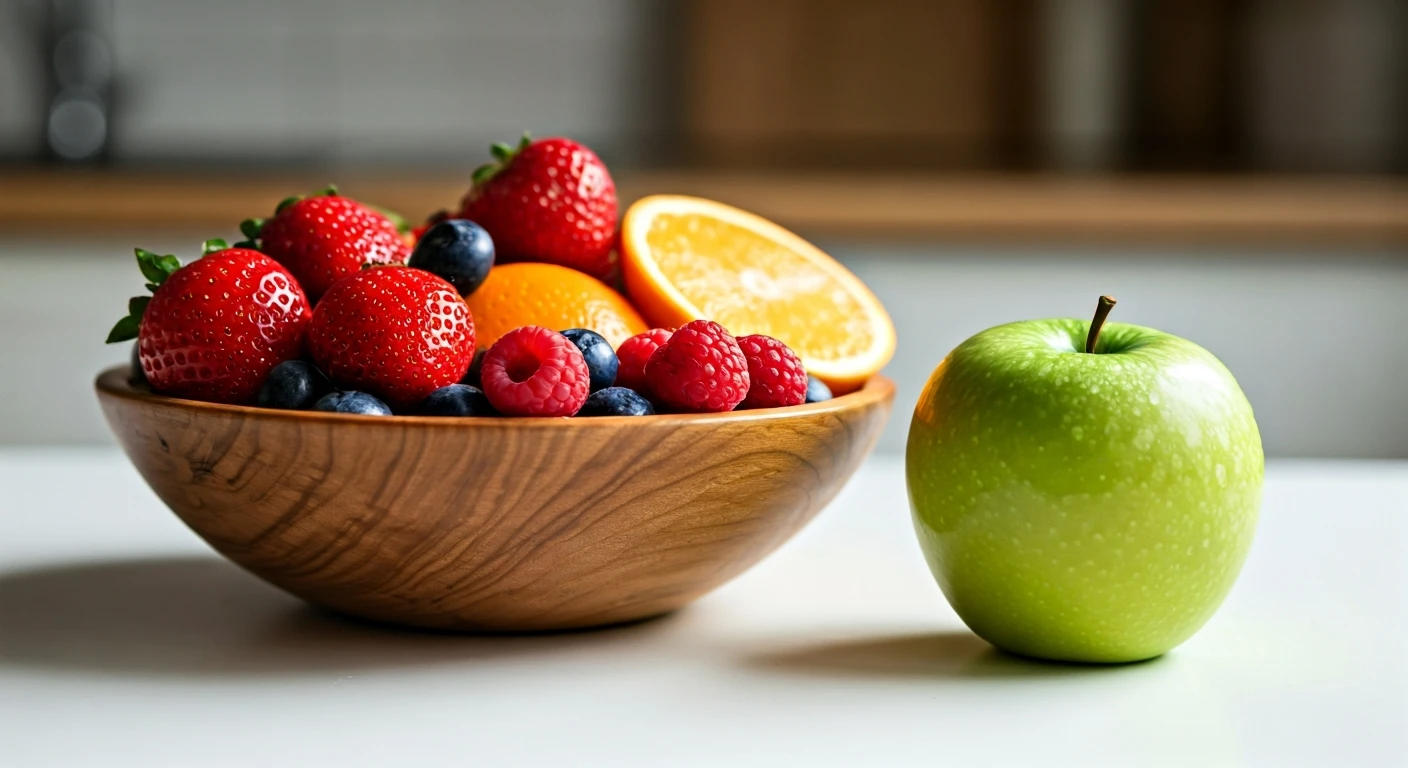
Not all fruits are created equal when it comes to washing. Berries, for example, are too delicate for scrubbing. For strawberries, raspberries, and blueberries, place them in a colander and rinse them under a gentle stream of cool water. Avoid soaking them, which can make them waterlogged and mushy. Once rinsed, spread them on a clean towel or paper towels and pat them dry carefully. This removes excess moisture and helps them stay fresh. Melons, like cantaloupe and watermelon, present a different challenge. Their rough, netted rinds are a perfect environment for bacteria to thrive. Even though you don't eat the rind, it’s crucial to wash it thoroughly. Why? When you slice into an unwashed melon, your knife can drag any bacteria from the surface right into the sweet flesh you’re about to eat. This is a common and easily avoidable source of cross-contamination. Give that cantaloupe a good scrub with a produce brush under running water before your knife ever touches it.
Now for the Health Benefits
Once your fruit is clean, you can focus on the benefits that made you buy it in the first place. The 'immunity claims' surrounding certain fruits are often rooted in their high concentration of vitamins and antioxidants. For example, citrus fruits, strawberries, and bell peppers are packed with Vitamin C, an essential nutrient that contributes to the function of immune cells. Berries are loaded with antioxidants like anthocyanins, which help protect your cells from damage. This is all true and scientifically supported. However, it’s important to frame these benefits correctly. Eating an orange won't instantly 'boost' your immune system into an impenetrable fortress. Rather, consistently eating a diet rich in a variety of fruits and vegetables provides your body with the essential building blocks it needs to maintain a healthy, resilient immune system over time. Think of it as providing your body's defense team with the right gear and nutrition to do its job effectively, day in and day out. A clean piece of fruit is a powerful part of that long-term strategy.