





The Bollywood Seal of Approval
If you want to understand any trend in India, you start with Bollywood. The nation’s film industry doesn't just create movies; it sets the standard for fashion, aspiration, and, increasingly, fitness. While weight training and high-intensity workouts
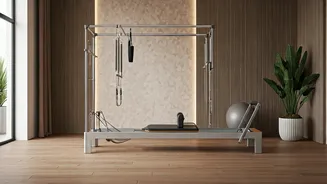
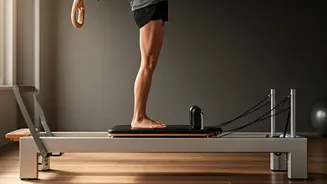
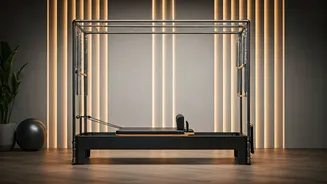
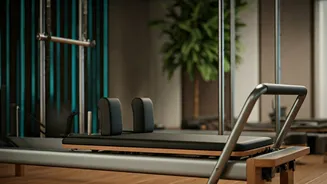
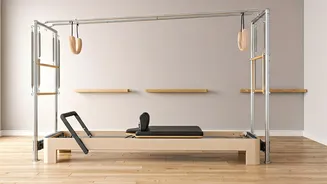
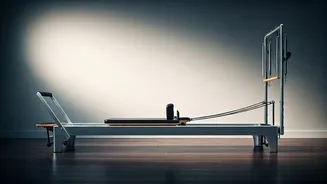
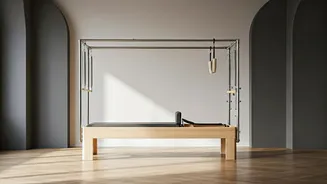
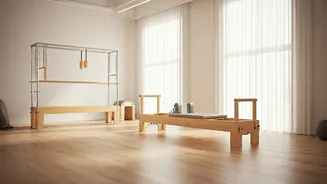
have had their moments, Pilates has quietly become the workout of choice for A-list stars like Deepika Padukone, Alia Bhatt, and Katrina Kaif. Their Instagram feeds, followed by millions, are filled with videos of them gracefully using the Reformer machine—a spring-loaded apparatus that is central to the practice. This isn't just a casual hobby; it's a powerful, organic marketing campaign. Trainers like Yasmin Karachiwala and Namrata Purohit have become celebrities in their own right, training a who's who of Indian cinema and business. When a star credits Pilates for their on-screen physique or their ability to recover from an injury, it sends a powerful message to a massive audience: this is what a modern, sophisticated, and healthy lifestyle looks like. For aspiring urbanites, it transforms a piece of exercise equipment into an object of aspiration.
A Perfect Fit for Modern India
While yoga is India’s most famous wellness export, Pilates is finding its niche as a premium import that aligns perfectly with the values of the country’s growing affluent class. It's not positioned as a sweaty, grueling gym workout. Instead, it’s marketed as a form of “intelligent exercise” focused on core strength, posture, flexibility, and mind-body connection. This appeals to a demographic juggling stressful corporate jobs and seeking a more holistic, less punishing approach to fitness. Furthermore, Pilates has a strong reputation for rehabilitation and is often recommended by physiotherapists. In a culture where family and expert opinions hold significant weight, this medical endorsement gives it a layer of legitimacy that other fitness fads lack. It’s seen as safe, effective, and scientific—a perfect combination for a discerning consumer base willing to pay a premium for personalized attention and tangible results.
The Economics of the Boom
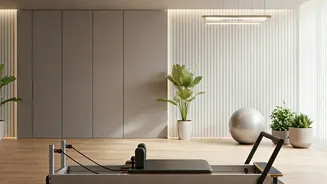
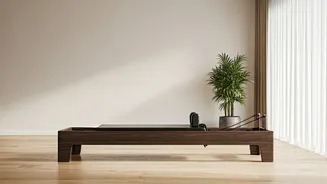
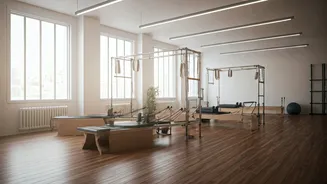
The “betting big” part of the headline isn't an exaggeration. Opening a Pilates studio is a capital-intensive venture. A single high-quality Reformer machine can cost thousands of dollars, and a well-equipped studio needs several. This high barrier to entry creates a premium market from the outset. Studios are not competing on price like traditional gyms; they are competing on quality of instruction, ambiance, and exclusivity. Entrepreneurs are seizing this opportunity by opening boutique studios in upscale neighborhoods and even launching franchise models to expand into Tier-2 cities. They are betting that the post-pandemic surge in health consciousness is here to stay. Indian consumers are spending more on wellness than ever before, moving from a reactive mindset (curing illness) to a proactive one (preventing it). Pilates, with its high-end positioning and celebrity halo, is perfectly placed to capture a significant share of this new wellness wallet.
From Niche to Mainstream?
For now, Pilates remains a largely urban, elite phenomenon. The cost of a single class can be prohibitive for the average Indian. However, the dynamics are shifting. As more instructors get certified and competition increases, prices may slowly become more accessible. More importantly, the cultural impact is spreading beyond the studio walls. Mat Pilates classes, which don't require expensive equipment, are becoming more common in gyms and online fitness platforms. The trend also signals a broader shift in global fitness. It shows that Western wellness concepts can find fertile ground in new markets, provided they are adapted to local culture and aspirations. In India, Pilates isn’t just a German exercise system; it’s a symbol of modern, globalized Indian identity—one that values both tradition and a forward-looking approach to health.