




The Return of 'Ugly Delicious'
For years, the dominant food aesthetic was one of bright, clean, farm-to-table perfection. Think vibrant grain bowls and avocado toast arranged just so for the Instagram grid. But a different kind of food is re-emerging from the culinary past. We’re talking
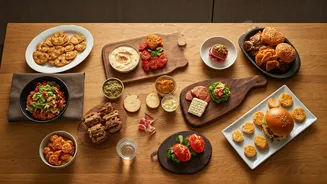
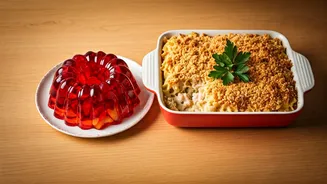
about the un-photogenic but deeply satisfying dishes of the 1950s through the ‘80s. Deviled eggs are suddenly chic appetizers. The humble wedge salad, once a steakhouse cliché, is appearing in high-end bistros. And Ambrosia salad, a glorious mess of canned fruit, marshmallows, and Cool Whip, is being rediscovered by a generation that has no memory of its potluck ubiquity. This isn't just about a few chefs having fun; it’s a widespread cultural shift that reflects a deeper craving in the American psyche.
A Search for Real Comfort
One of the most powerful drivers of this trend is a collective search for comfort in uncertain times. In the wake of a global pandemic and amid economic anxiety, the psychological appeal of nostalgia is stronger than ever. These old-school foods represent a kind of stability—a taste of a perceived simpler era. A beef stroganoff or a tuna noodle casserole isn't just dinner; it's a culinary security blanket. For many, these are the dishes their parents or grandparents made, imbued with memories of safety and care. For younger generations who didn't grow up with them, these foods offer a novel form of discovery, a comforting history lesson on a plate. They are predictable, reliable, and free of the pretense that can accompany modern foodie culture.
The TikTok Effect
If Instagram perfected the art of beautiful food, TikTok celebrates the joy of weird food. The platform’s algorithm rewards engagement, and nothing gets people talking like a truly bizarre creation. Enter the Jell-O salad. Videos featuring shimmering, suspended creations—sometimes savory, with things like shredded carrots or even tuna—go viral precisely because they are so alien to the modern palate. Young creators are approaching these recipes with a sense of irony and genuine curiosity, detached from the mid-century domesticity they once symbolized. The same goes for the resurgence of the Dirty Shirley, a grown-up Shirley Temple with vodka that became a viral sensation. It's fun, unpretentious, and easy to make, embodying the low-fi, accessible spirit of the platform.
When Nostalgia Is Affordable
Let's not forget the simple economics of it all. As grocery bills climb, many of these retro recipes look less like kitsch and more like genius. The foundational ingredients of mid-century American cooking are, for the most part, cheap. Canned goods, gelatin packets, cream soups, ground meat, and eggs can be stretched to feed a family for a fraction of the cost of fresh, specialty ingredients. A dish like sloppy joes or a hearty casserole is a masterclass in budget-friendly cooking. This affordability makes the retro food trend accessible to everyone, not just those who can afford to dine at trendy, throwback-themed restaurants. It’s a practical response to financial pressure, cleverly disguised as a fun culinary trend.