


The Snack Drawer Takeover
Walk down the snack aisle of any major grocery store and you’ll notice a seismic shift. The space once dominated by neon-orange cheese puffs and sugary cookies is now a battleground for brands boasting about fiber content, plant-based protein, and adaptogenic
mushrooms. This isn't an accident. The very concept of snacking in America has been upgraded. What was once seen as a guilty pleasure or a stopgap between 'real meals' is now being treated as a vital, intentional part of a healthy lifestyle. Consumers, particularly Millennials and Gen Z, are driving this change. They grew up with a heightened awareness of wellness and are far less likely to view food in simple 'good' vs. 'bad' terms. Instead, they see a spectrum of opportunities to fuel their bodies, and snacking has become a primary vehicle for that.
Beyond Just 'Low-Calorie'
The definition of 'healthy' has evolved dramatically. A decade ago, a 'healthy snack' was often synonymous with 'low-calorie' or 'fat-free,' leading to a generation of bland rice cakes and chalky diet bars. Today’s consumer is far more sophisticated. The new healthy snack is about what it *adds*, not just what it takes away. This is the era of functional foods. Shoppers are looking for snacks that do a job beyond simply curbing hunger. They want protein for satiety and muscle repair, fiber for gut health, prebiotics and probiotics for a happy microbiome, and even ingredients like L-theanine or ashwagandha for focus and stress relief. A snack isn't just a snack anymore; it's a mini-meal, a post-workout recovery tool, or a moment of mindful self-care. This has opened the door for a wave of innovation, with brands infusing everything from popcorn to pudding with beneficial ingredients.
The Post-Pandemic Pantry Effect
The massive shift in work culture has supercharged the healthy snacking trend. With millions of Americans working from home, the rigid structure of three square meals a day has dissolved for many. The home kitchen is always just a few steps away, leading to a rise in 'grazing' culture. But this isn't mindless munching. People are building their days around smaller, more frequent eating occasions. That mid-morning snack is now a planned part of the day, chosen to provide energy for the next video call. The late-afternoon bite is selected to stave off brain fog without inducing a sugar crash. This new rhythm has made the quality of our snacks more important than ever. We're no longer just grabbing whatever is convenient on the way out the door; we're curating a home pantry that supports our energy, focus, and overall health goals throughout the day.
Innovation in the Aisles
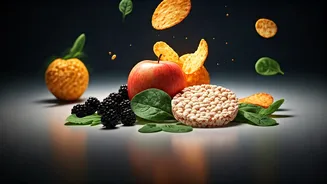
The result of these cultural and behavioral shifts is a golden age of snack innovation. The market is flooded with products that would have been unimaginable twenty years ago. Think savory yogurt cups, jerky made from mushrooms or kelp, and puffs made from chickpeas, lentils, or quinoa instead of corn. Broad bean crisps offer a crunchy, high-protein alternative to potato chips. Seaweed snacks provide a salty fix with a dose of minerals. Even classic categories are being reinvented; a new generation of protein bars tastes more like craft candy than a dietary supplement, and cookies are being reformulated with almond flour, oat fiber, and less sugar. Brands are also getting smarter about packaging, offering single-serving portions that promote mindful consumption and portability for hybrid work schedules. This creative explosion ensures that choosing a healthy option no longer feels like a sacrifice.