








The Great Urban Burnout
In the booming megacities of Mumbai, Delhi, and Bangalore, a generation that came of age with smartphones and hustle culture is hitting a wall. The relentless pace of urban life, coupled with the constant digital tether, has created a deep-seated burnout.
While the U.S. has its own “digital detox” and “quiet quitting” narratives, in India, this exhaustion is fueling a specific kind of escape: a retreat into the nation’s vast and varied wilderness. Young Indians aren't just logging off; they are actively seeking out silence, trading crowded bars for canopied forests. This isn't about laziness, but a proactive quest for mental and spiritual restoration from a life lived at hyper-speed. The goal is to return to the city not just rested, but rewired.
Not Your Parents’ Vacation
For previous generations, the annual vacation in India was often a structured, family-centric affair. It typically involved pilgrimages to religious sites or obligatory visits to extended family in ancestral villages. While those traditions continue, the forest retreat represents a radical departure. Driven by disposable income and globalized wellness ideals, millennials and Gen Z are pioneering a new travel philosophy centered on personal experience. This is travel as a form of self-care and identity-building. They aren’t looking to appease relatives or fulfill a duty; they are investing in themselves. This shift marks a move from collective, tradition-bound travel to an individualistic, aspirational pursuit of well-being, often documented on Instagram as a new kind of status symbol: the achievement of inner peace.
What the Forest Offers
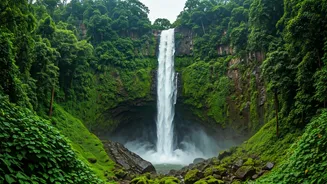
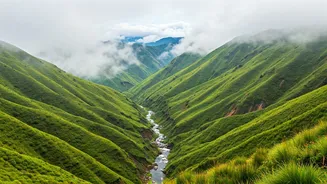
So what does a forest retreat actually entail? Far from roughing it with a tent and a prayer, these are curated experiences. Locations range from the misty Himalayan foothills in states like Uttarakhand and Himachal Pradesh to the lush, spice-scented Western Ghats in Kerala and Karnataka. The itineraries are built around disconnecting. Activities often include guided “forest bathing” (inspired by the Japanese practice of *shinrin-yoku*), silent nature walks, yoga and meditation sessions overlooking valleys, and meals made from hyperlocal, organic produce. The defining feature is often a deliberate lack of Wi-Fi, forcing guests to engage with their surroundings and each other. These retreats aren't just about seeing nature, but about recalibrating one’s senses to its rhythms.
A Search for Deeper Roots
Beyond the immediate benefits of stress relief, this trend speaks to a deeper cultural quest. As India rapidly modernizes and its cities become more globally homogenous, there's a growing desire to connect with something more elemental and authentically Indian. For some, the forest represents a pre-colonial, pre-industrial landscape—a spiritual sanctuary that has been a cornerstone of Indian philosophy for millennia. It’s a quiet rebellion against the glass-and-steel aesthetic of the new economy. By spending a weekend in a remote jungle or a mountain cabin, young Indians are not just escaping their jobs; they are exploring a different facet of their own identity, one that is quieter, slower, and more deeply rooted in the natural world than their everyday urban lives allow.