
How Grey Dominated the Decade
Remember the 2010s? It was the era of the modern farmhouse, the open-concept living space, and the shiplap accent wall. At the center of it all was grey. It was the perfect chameleon, seen as a more serious and upscale alternative to the builder-grade
beiges of the '90s and early 2000s. Paint companies released dozens of shades, from soft dove to moody charcoal, and they flew off the shelves. This wasn't just a design choice; it was a cultural phenomenon fueled by social media. Grey provided a clean, unobtrusive backdrop that made furniture, art, and even people pop in Instagram photos. It was the ultimate aesthetic reset button—safe, chic, and universally acceptable. For house flippers and homeowners alike, a grey palette signaled a fresh, modern update that was almost guaranteed to have broad appeal. It was minimalist without being stark, sophisticated without being stuffy. For a while, it felt like the perfect, timeless choice.
When Safe Became Sterile
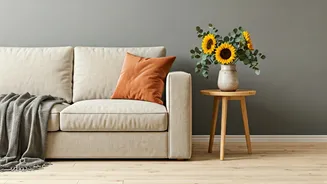
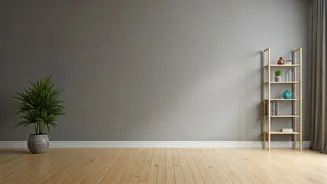
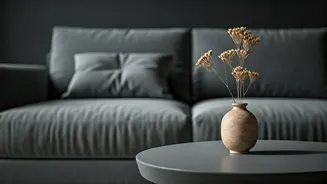
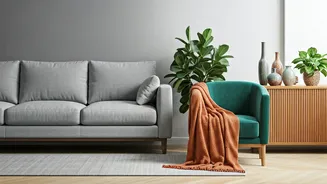
The problem with a uniform is that eventually, everyone starts to look the same. The same thing happened to our houses. What once felt clean and modern began to feel generic and impersonal. Scroll through Zillow or Instagram, and you’d find an endless sea of identical living rooms: grey walls, grey L-shaped sectional, grey rug. Designers started referring to it as the 'grey-ification' of interiors. The backlash truly gained momentum during the pandemic. As we spent unprecedented amounts of time inside our own four walls, the sterile, cool-toned environments started to feel less like a serene escape and more like a stylish waiting room. People began craving comfort, personality, and warmth—things that an all-grey color scheme often struggles to provide. The look that was designed to be a blank canvas suddenly felt just plain blank. The internet, which had championed the trend, also led the rebellion, with viral TikToks and memes mocking the ubiquitous 'sad beige' and 'millennial grey' aesthetic as soulless and devoid of joy.
The New Mood: Warmth and Individuality
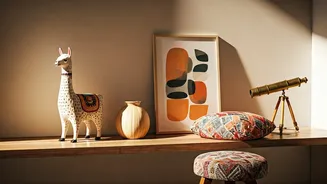
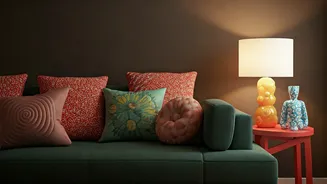
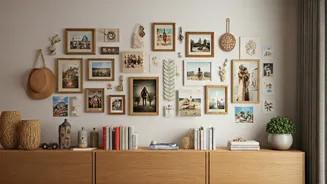
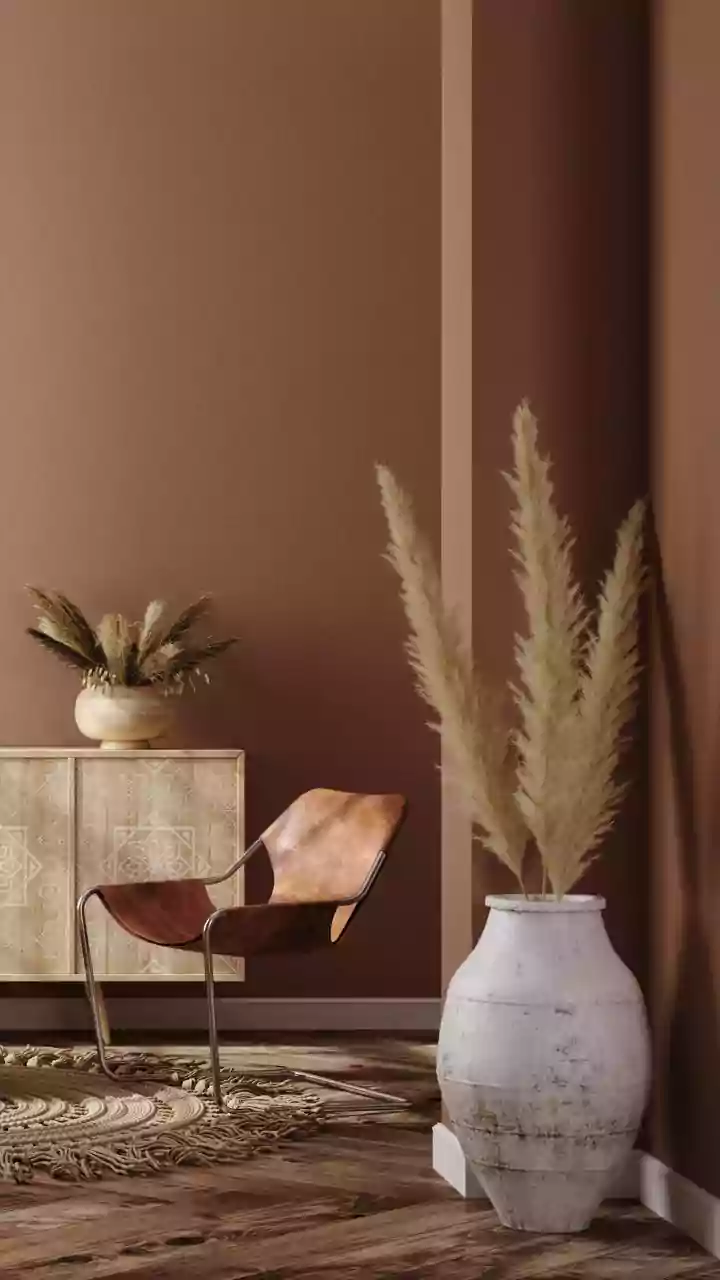
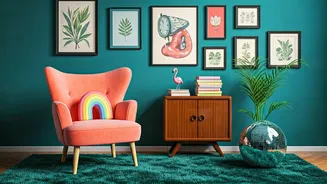
So, what’s replacing the grey empire? It’s not one single color, but rather a mindset shift towards warmth, texture, and personality. The new neutrals are warmer and earthier. Think creamy whites, rich beiges, soft taupes (sometimes called 'greige,' a warmer grey-beige hybrid), and even muted browns. These colors feel more organic and comforting. Alongside these warm neutrals, there’s a renewed embrace of actual color. Designers and homeowners are gravitating toward deep, nature-inspired hues like olive and sage green, earthy terracotta, and moody blues. The goal is no longer to create a perfect, neutral stage, but a layered, collected space that tells a story. This shift is also visible in materials. The cool gleam of chrome and silver is being swapped for the warm glow of brass and bronze. Sleek, manufactured surfaces are giving way to natural textures like wood, rattan, wool, and linen. The new ideal is a home that feels lived-in, personal, and unapologetically cozy.
Don't Panic and Repaint Everything
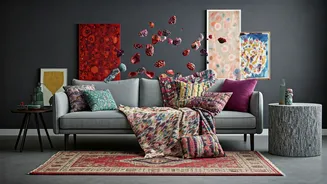
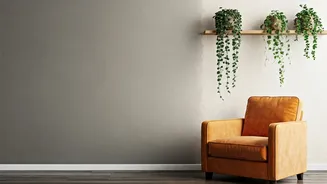
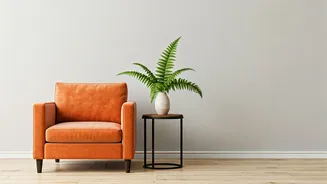
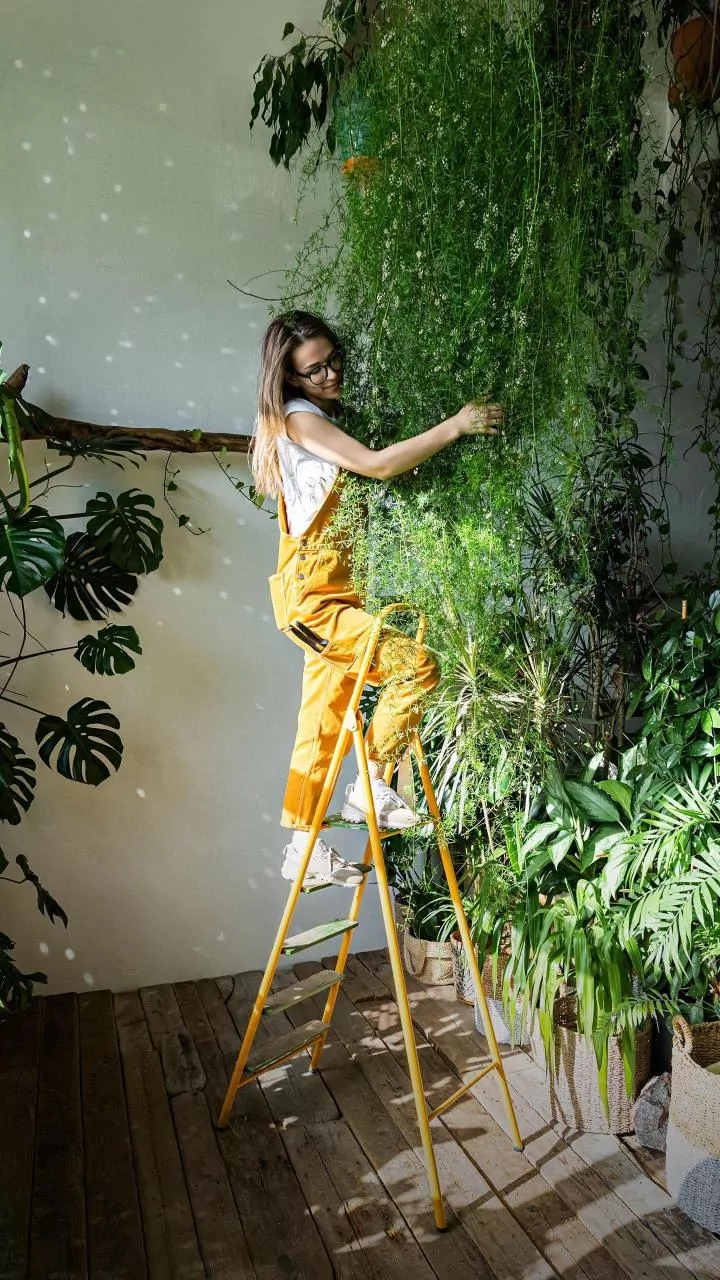
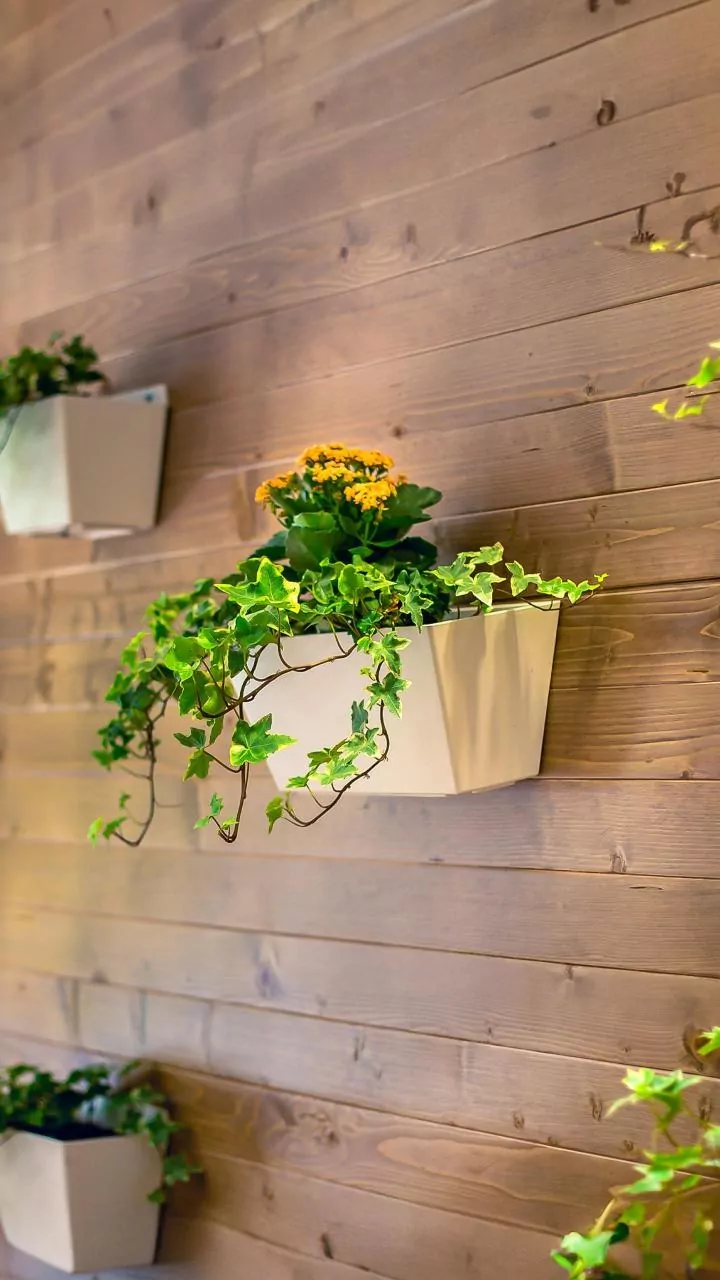
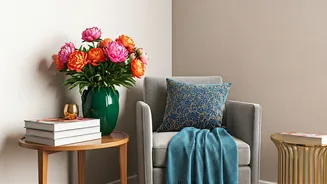
If you’re reading this from your lovely grey living room, don't worry. You don't need to call a painter and undo years of design decisions. Grey can still be a beautiful, versatile neutral; it just needs a little help to feel current. The key is to break up the monochrome and inject warmth. Start small. Introduce wood tones through furniture like a coffee table, side table, or picture frames. Swap out silver or chrome hardware and light fixtures for brass or matte black for instant warmth. Add textiles that provide both color and texture—think velvet pillows in a rich ochre or rust, a chunky wool throw blanket in a creamy white, or a rug with a warm, colorful pattern. And never underestimate the power of plants. A few strategically placed green plants can bring life and organic energy to even the coolest of grey spaces. Think of it not as an overhaul, but as an evolution—you're just adding the next layer to your home's story.