




Start with Your Line of Sight
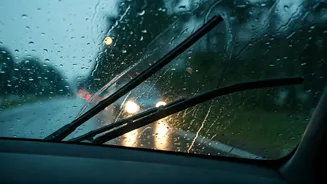
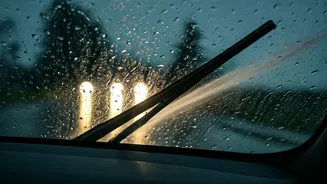
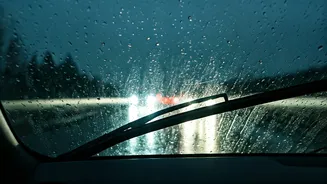
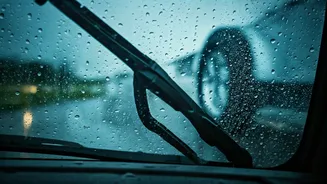
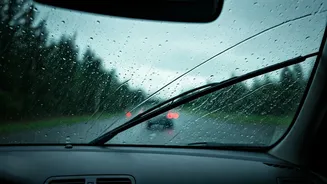
Your first line of defense in a downpour is visibility. Old, cracked, or hardened wiper blades don't clear water effectively; they smear it, creating a dangerous glare, especially at night. Replace your blades if they are more than a year old or leave
streaks. It’s an inexpensive fix that has a massive impact on safety. While you’re at it, top off your washer fluid and give your windshield a deep clean inside and out to remove any film that can cause fogging. For an extra layer of protection, apply a glass treatment that repels water, causing it to bead up and fly off the windshield at driving speeds.
Check Your Tires and Brakes
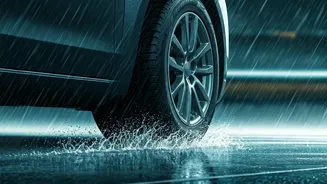
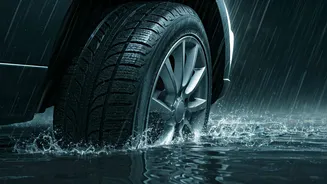
Wet roads are slick roads, significantly increasing your vehicle’s stopping distance. Your tires are the only thing connecting your car to the pavement, and their ability to channel water away is critical. Check your tire pressure, as underinflated tires can hydroplane more easily. Then, inspect the tread depth. An easy way to do this is with a penny: place it upside down in a tread groove. If you can see all of Abraham Lincoln’s head, your tires are worn and it’s time for a new set. Remember that your brakes also work harder in the rain. If you’ve been hearing any squealing or grinding, get them inspected before the heavy rains begin.
Apply a Protective Coat of Wax
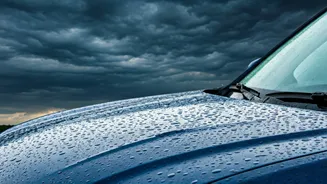
A good coat of wax does more than just make your car shine; it’s armor against the elements. Rainwater isn't pure H2O; it picks up pollutants from the atmosphere, making it slightly acidic. When these droplets evaporate on your car, they leave behind concentrated mineral deposits that can etch into your clear coat and damage the paint. A layer of carnauba or synthetic polymer wax creates a hydrophobic barrier, causing water to bead up and roll off rather than sitting on the surface. Aim to wax your car at least twice a year, once before the rainy season and once after.
Inspect All Seals and Weatherstripping
The single biggest long-term threat from rain is water getting where it doesn’t belong. Take a few minutes to walk around your vehicle and inspect the rubber seals around your doors, windows, sunroof, and trunk. Look for any signs of cracking, brittleness, or tearing. A compromised seal can allow water to seep into the cabin, leading to musty odors, mold growth under the carpets, and potentially catastrophic damage to sensitive electronics located in the floorboards. If you find a bad seal, it’s a relatively simple part to have replaced and can save you from thousands of dollars in repairs down the line.
Safeguard Your Lights and Electricals
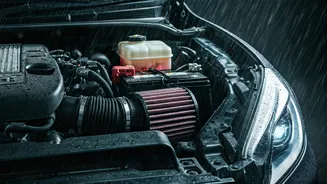
Moisture is the enemy of any electrical system. Check your headlights and taillights for any signs of fogging or condensation inside the lens. This indicates that the seal on the housing has failed, allowing water to get in. This can lead to short circuits, burnt-out bulbs, and expensive assembly replacements. Pay special attention to the battery as well. Ensure the terminals are clean and free of corrosion, which can be accelerated by damp conditions. A clean, secure connection ensures your car will start reliably, even on the coldest, wettest morning.
Keep the Interior Dry and Clean
You’re going to track water into your car; it’s unavoidable. But letting it soak into your carpeted floor mats is a recipe for mildew. For the rainy season, consider swapping out your carpet mats for a set of high-quality rubber or all-weather liners. They contain water and mud, making them easy to remove and clean. If your interior does get soaked from a leak or an open window, don't ignore it. Use towels to blot up as much water as possible, then use a wet-dry vacuum if you have one. To prevent musty smells, place a moisture-absorbing product (like a silica gel pack or a container of DampRid) inside the car until it’s fully dry.