








The End of the Roaming Bill Nightmare
For years, travelers had two bad options for staying connected abroad: pay their home carrier’s outrageous daily roaming fees or waste precious vacation time hunting down a local kiosk to buy a physical SIM card upon arrival. The first option could lead
to 'bill shock,' with charges sometimes running into the hundreds of dollars. The second meant navigating language barriers, figuring out local payment methods, and physically swapping a tiny piece of plastic in and out of your phone—a process that felt surprisingly primitive in our otherwise hyper-connected world. This frustrating dilemma is finally becoming a relic of the past. The rise of embedded SIMs, or eSIMs, has created a simpler, cheaper, and more elegant solution for global connectivity. It puts the power back in the traveler's hands, allowing you to shop for data like you shop for anything else online: with choice, transparency, and convenience.
So, What Exactly Is an eSIM?
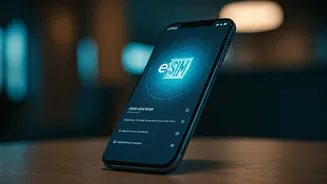
Think of an eSIM as a digital SIM card. Instead of a physical chip that you insert into your phone, it’s a programmable chip that is already built into the motherboard of most modern smartphones (models from around 2018 or later). This embedded technology allows you to download and activate a cellular plan from a carrier without needing to handle a physical card. Your phone can store multiple eSIM profiles at once, though you can typically only use one at a time alongside your primary physical SIM. This means you can keep your U.S. number active for calls and texts on your main line while using a separate, affordable eSIM purely for data in the country you’re visiting. It’s the best of both worlds: you remain reachable on your home number while surfing the web, using maps, and posting updates at local prices.
Enter the eSIM Marketplace
While you can buy an eSIM directly from some international carriers, the real innovation for travelers is the eSIM marketplace. These are websites and apps that act as a global clearinghouse for prepaid data plans. Think of it as an App Store, but for connectivity. Instead of researching dozens of carriers in your destination country, you simply visit a marketplace, enter where you’re going, and see a list of available plans from various providers. They are presented in a clean, comparable format, showing the data amount (e.g., 5GB, 10GB, unlimited), the validity period (e.g., 7 days, 30 days), and the price. This competition drives down costs and makes it incredibly easy to find the perfect plan for your specific trip, whether it’s a weekend in Mexico or a multi-country tour of Europe.
Getting Started: A Simple Guide
The process is designed to be user-friendly and can usually be completed in minutes before you even leave home. First, confirm your phone is unlocked and eSIM-compatible—a quick search of your phone’s model online will tell you. Most iPhones since the XS and Google Pixel or Samsung Galaxy phones since their 3rd or 4th generations are supported. Second, browse a reputable eSIM marketplace and purchase the plan that fits your trip’s length and your data needs. You’ll receive an email almost instantly. Third, activate the plan. This is typically done by scanning a QR code from the email or by following instructions within the marketplace’s app. You can often install the eSIM before you leave and simply switch it on when your plane lands.
What to Consider When Choosing a Plan
As you browse, keep a few key factors in mind. The most obvious are the amount of data and the validity period; be realistic about your usage. Also, check if the plan is country-specific or regional. If you’re visiting multiple European countries, a single regional plan is far more convenient than buying separate plans for each stop. Finally, note that most travel eSIMs are 'data-only.' This is perfect for using apps, navigation, and web browsing, but it means you won't get a local phone number for making traditional calls. For most travelers, this isn't an issue, as communication can be done through apps like WhatsApp, FaceTime Audio, or iMessage.