





The Social Media Stage
A decade ago, your morning coffee was functional. It came in a paper cup, you grabbed it, and you went on with your day. Today, for millions of Americans, the coffee itself is an event. The catalyst for this shift is undeniable: social media. Platforms
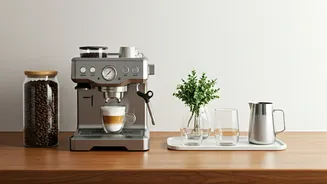
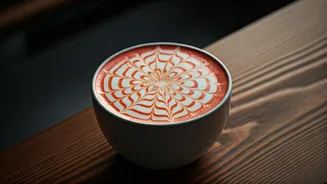
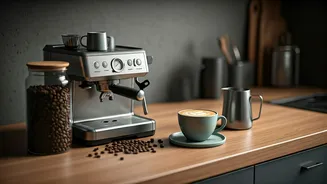
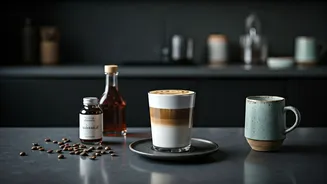
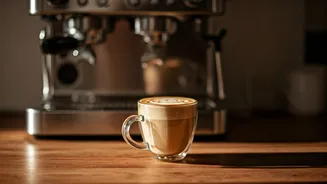
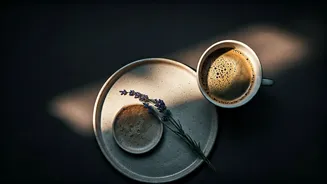
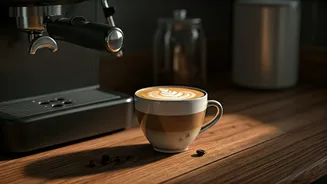
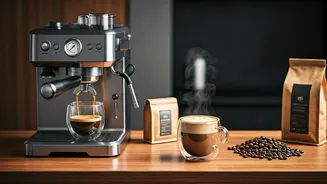
like Instagram and TikTok transformed the humble cup of joe into a visual protagonist. A beautifully poured latte with a delicate rosetta or a whimsical swan isn't just a drink; it's content. It’s a shareable moment of beauty that communicates taste, leisure, and a certain aspirational calm. This phenomenon has created a feedback loop. Customers seek out photogenic drinks, and cafes, in turn, invest heavily in aesthetics to attract them. Baristas are now part artist, their skills with steamed milk as valuable as their knowledge of espresso extraction. The ceramic mug, the natural light, the wooden table—it’s all part of a carefully constructed scene. Sharing a photo of your 'pretty morning coffee' becomes a small act of personal branding, a way of saying, “I take time for small pleasures” or “I appreciate craftsmanship.” It’s a quiet performance of a life well-lived, one perfect cup at a time.
A Ritual for the Modern Age
Beyond the visuals, the 'pretty coffee' movement taps into a deep human need for ritual. In a world that often feels chaotic, overwhelmingly digital, and relentlessly fast-paced, the act of preparing or procuring a special coffee offers a moment of structured peace. It’s a predictable, sensory experience that grounds us in the present. The warmth of the mug, the aroma of the beans, the deliberate act of sitting down to sip rather than gulping on the go—it’s a form of everyday mindfulness. This isn't just about slowing down; it's about intentionality. Choosing to go to a specific cafe that makes beautiful drinks is an act of self-care. It's carving out 15 or 30 minutes for yourself that isn't about productivity or obligation. It serves the same psychological function that other historical daily rituals once did, providing a stable anchor in the day. In an era where traditional structures like organized religion or rigid work schedules have become more fluid for many, small, personal rituals like the morning coffee have taken on an outsized importance, offering comfort and a sense of control.
The Cafe as a Destination
The focus on aesthetics has also fundamentally changed the role of the coffee shop. It's no longer just a transactional 'third place' between home and work. It's a destination in itself. Independent cafes have become community hubs designed to be experienced, not just visited. They are curated environments—part gallery, part co-working space, part living room—where the coffee is the centerpiece of a larger vibe. The 'pretty coffee' is the price of admission to this environment. It justifies the time spent there. People don't just go for the caffeine; they go to work, to meet friends, to read, or simply to exist in a pleasant, well-designed space. The drink validates their presence. This has created a new kind of social space, one that is both public and personal. You can be alone but surrounded by the quiet hum of a like-minded community, all participating in the same shared ritual. In an increasingly isolated society, the aesthetic-driven cafe offers a low-stakes, accessible form of connection.
The Currency of a Good Vibe
Ultimately, the rise of the pretty morning coffee is an economic story as much as a cultural one. We now live in an experience economy where 'the vibe' is a marketable commodity. A $6 latte isn't just paying for coffee beans and milk; it's paying for the barista’s training, the interior designer’s vision, the curated playlist, and the free Wi-Fi. It’s an investment in an experience. For cafes, this is a winning strategy. A visually stunning drink is free marketing every time it's posted on social media. It differentiates a small, independent shop from a massive chain that prioritizes speed and volume. By selling an aesthetic and an experience, cafes can command higher prices and build a loyal following that returns for the feeling as much as the flavor. That 'pretty' element transforms a simple beverage from a commodity into a luxury good, making it an affordable indulgence that provides a disproportionate sense of pleasure and satisfaction. It's proof that in the modern economy, how something makes you feel is just as important as what it is.