






An Overnight Spectacle
Imagine your lawn, perhaps a little tired and sun-bleached from the July heat. A thunderstorm rolls through, drenching everything in a much-needed drink. You wake up the next morning, and where there was only green and brown, there are now dozens, sometimes
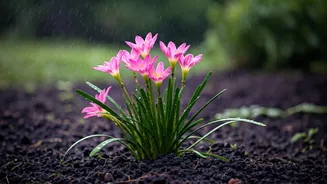
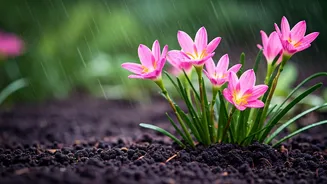
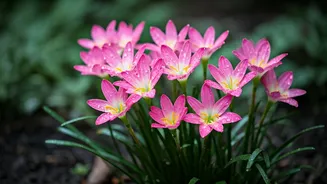
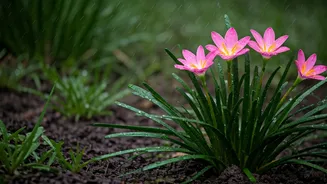
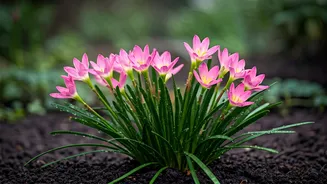
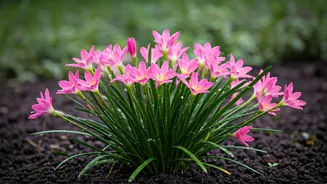
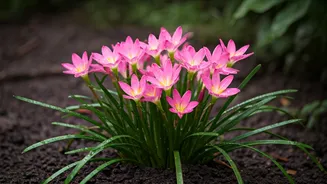
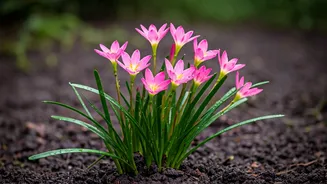
hundreds, of delicate, star-shaped flowers on slender stems, swaying in the breeze. This delightful phenomenon is the signature move of the rain lily, a flower that lives for the drama of a sudden appearance. They don't slowly bud and bloom over weeks; they explode into existence, seemingly overnight, transforming a mundane patch of earth into a spontaneous celebration of renewal. It’s this rapid, joyful emergence that gives them their name and their cherished place in gardens across the warmer parts of the United States.
Meet the Zephyr Lily
So, what exactly are these impatient bloomers? Rain lilies belong to the genus *Zephyranthes*, a name derived from Zephyrus, the Greek god of the west wind, which often brought the gentle spring and summer rains. Also known as fairy lilies, zephyr lilies, or rain flowers, they are small, bulbous perennials native to the Americas. While they are found from Argentina to the southern United States, they are a particularly common and beloved sight in states like Texas, Louisiana, and Florida. They are members of the amaryllis family, and you can see the resemblance in their trumpet-shaped flowers and long, grass-like leaves. But unlike their larger cousins, rain lilies are masters of patience and timing, conserving their energy underground until the perfect moment arrives.
The Science of the Celebration
The secret to the rain lily's 'magic' is a beautifully adapted survival strategy. The bulbs lie dormant during dry periods, essentially sleeping through the stress of heat and drought. A significant rainfall does two things. First, the sudden saturation of the soil provides the necessary hydration for a massive growth spurt. Second, many botanists believe the change in barometric pressure associated with a storm system also acts as a trigger. It’s like a secret knock that tells the bulb, 'It’s go time.' In response, the bulb rapidly sends up a flower stalk, which can grow several inches in a single day. The flower bud, already formed and waiting, unfurls at the top. This entire process, from rain to full bloom, can happen in as little as 24 to 48 hours. The flowers themselves are ephemeral, often lasting only a few days, which makes their sudden appearance all the more special.
Bringing the Party to Your Garden
One of the best things about rain lilies is how easy they are to grow. They are the perfect flower for the hands-off gardener who enjoys surprises. The bulbs can be planted in the fall or spring in well-draining soil and a spot that gets plenty of sun. You can tuck them into garden borders, plant them in containers, or, for the most dramatic effect, naturalize them directly into your lawn. The foliage is so grassy and unobtrusive that you can mow right over it for most of the year. Then, after a summer storm, you'll be treated to that spectacular, confetti-like display of flowers popping up through the grass. They come in a variety of colors, from the classic pure white (*Zephyranthes candida*) and buttery yellow (*Z. citrina*) to a vibrant, cheerful pink (*Z. grandiflora*), allowing you to plant a mix for a multi-colored surprise.