





From Aesthetics to Longevity
Remember when every fitness magazine promised a six-pack in six weeks? That era, focused almost exclusively on aesthetics, is fading. In its place is a more thoughtful, sustainable approach often called 'future-proof fitness' or 'longevity training.'
The core idea is simple but profound: train today so your body works better tomorrow, next year, and decades from now. It’s less about sculpting a beach body and more about building a body that can hike a mountain at 60, play with grandkids on the floor at 70, and carry its own groceries at 80. This shift re-frames exercise not as a punishment for what you ate, but as a long-term investment in your quality of life. It prioritizes injury prevention, metabolic health, and maintaining functional independence as we age, moving the goalposts from looking good to feeling and moving well, for life.
The Pillars: Stability and Mobility
Two words you’ll hear constantly in future-proofing circles are mobility and stability. They sound similar, but they're a crucial duo. Mobility is your body’s ability to move through its full, intended range of motion. Think deep squats or reaching overhead without compensation. It’s about having supple, unrestricted joints. Stability, on the other hand, is the ability to control that movement and resist unwanted motion. It’s the muscular control that keeps your knee from caving inward during a lunge or protects your lower back when you lift something heavy. For decades, many people focused on stretching (flexibility) but ignored these two components. Future-proofing integrates them into every workout, using dynamic warm-ups, 'pre-hab' exercises, and focused movements that train your body to be both fluid and strong, dramatically reducing the risk of the sprains, strains, and chronic pain that can derail a fitness journey.
Strength for Life, Not Just the Gym
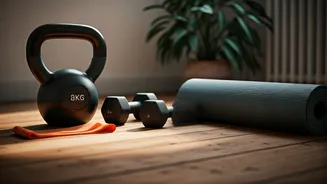
Strength training remains a cornerstone, but the emphasis has changed. While lifting heavy is still valuable, the focus is on functional strength—the kind that translates directly to everyday life. This means prioritizing compound movements that mimic real-world actions: squats (sitting and standing), deadlifts (picking things up safely), overhead presses (putting something on a high shelf), and loaded carries (like carrying heavy shopping bags). The goal is to build and maintain muscle mass, which is one of the single most important predictors of longevity and metabolic health. As we age, we naturally lose muscle in a process called sarcopenia. A future-proof strength plan is a direct counter-attack, ensuring your body remains a capable, powerful engine for as long as possible.
The Cardio Shift: Slowing Down to Get Stronger
The high-intensity interval training (HIIT) craze taught us that shorter, harder workouts could be effective. But the pendulum is swinging back toward a more balanced approach. A key component of future-proof fitness is Zone 2 cardio. This is low-intensity, steady-state exercise where you can comfortably hold a conversation—think a brisk walk, a light jog, or a relaxed bike ride. Spending significant time in this zone builds your aerobic base and improves mitochondrial efficiency, which is vital for cellular energy and metabolic health. It trains your body to become better at using fat for fuel and reduces chronic stress. This doesn't mean ditching high-intensity work entirely, but balancing it with a foundation of slower, longer sessions for a more resilient cardiovascular system.
Why It’s the ‘New Yoga Mood’
The comparison to yoga isn't about poses; it's about the mindset. A few decades ago, yoga transformed from a niche spiritual practice into a mainstream wellness pillar because it offered more than just a workout. It was a mindful, holistic approach to well-being. Future-proofing is having a similar moment. It demands a mindful connection to your body—paying attention to form, listening to signals of pain or fatigue, and celebrating what your body can do rather than just how it looks. Like a yoga practice, it’s a long game. There's no quick fix or 30-day challenge. It's a consistent, deliberate practice of caring for your future self. It’s less about the intensity of one session and more about the consistency of the lifetime practice, making it a philosophy of movement that feels less like a chore and more like an act of self-respect.