






The Aesthetic: Soothing, Gentle Showers
The core of the rain aesthetic is a sense of calm. It’s the gentle pitter-patter on the roof, a sound so beloved it’s a fixture on sleep and meditation apps. This idealized rain is a soft, predictable drizzle that nourishes the earth and our souls, providing
a perfect excuse to slow down, read a book, and retreat from the world. In this fantasy, rain is a gentle force, a welcome atmospheric shift that brings a sense of cleansing and renewal. It’s nature’s quiet signal to get cozy, a universal symbol of peace and introspection that feels both timeless and deeply personal.
The Reality: More Intense, Damaging Downpours
Real-world data paints a far more violent picture. According to the U.S. Global Change Research Program, a warmer atmosphere holds more moisture, meaning that when it rains, it often pours. Across much of the United States, heavy precipitation events have become more frequent and more intense. That soothing pitter-patter is increasingly being replaced by torrential downpours that overwhelm storm drains, trigger flash floods, and cause significant property damage. These aren't the gentle showers of our Instagram feeds; they are extreme weather events. The Northeast, for example, has seen more than a 70% increase in the amount of precipitation falling in the heaviest 1% of events since the mid-20th century. This isn't cozy; it's costly and dangerous.
The Aesthetic: A World Made Lush and Green
In our romanticized view, rain is the ultimate life-giver. It waters our gardens, fills our reservoirs, and paints the landscape in vibrant shades of green. The aesthetic presumes a healthy, balanced water cycle where rain arrives just when it’s needed, banishing dryness and sustaining life. It’s a simple equation: rain equals good. This vision is particularly potent in an era of climate anxiety, offering a fantasy of natural equilibrium where the planet is healing itself one gentle shower at a time. It’s a comforting thought, suggesting that nature’s processes are still fundamentally in balance.
The Reality: Weather Whiplash and Regional Imbalance
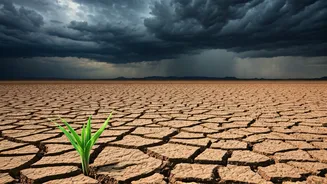
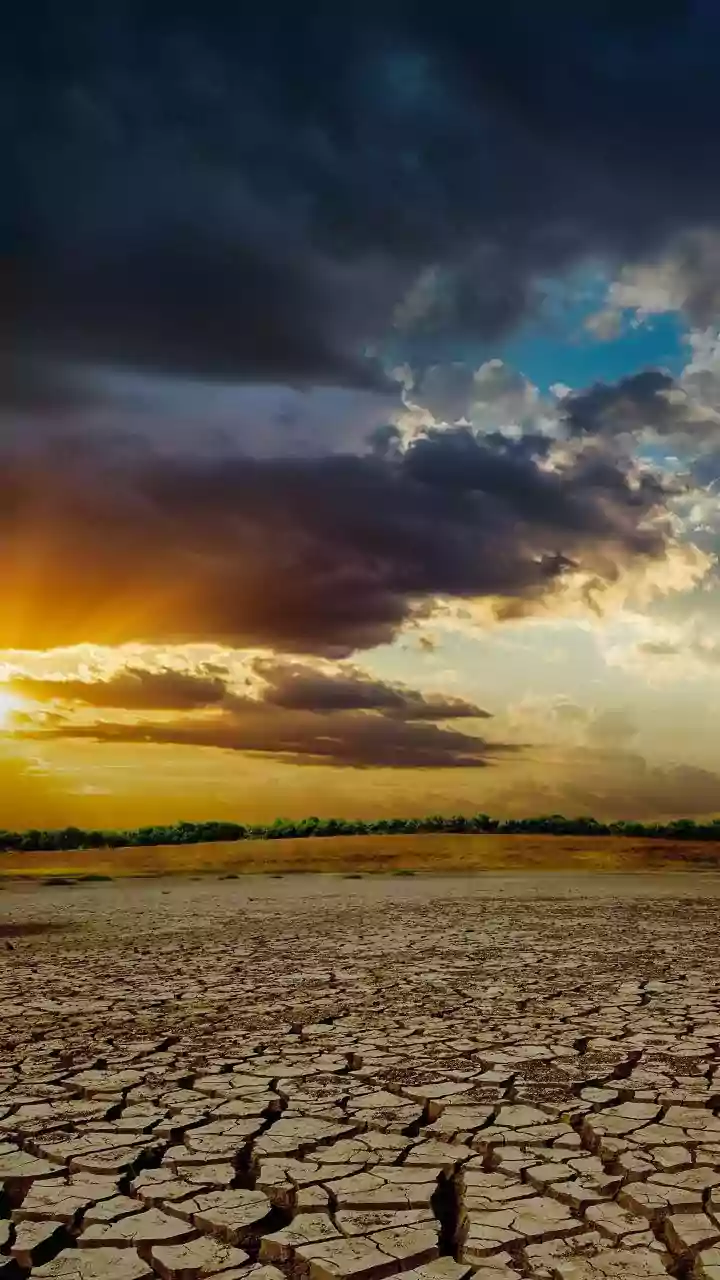
The truth is that rainfall is becoming dangerously imbalanced. Climate change is fueling a phenomenon scientists call “weather whiplash,” where long, punishing droughts are abruptly ended by massive, destructive deluges. California and other parts of the American West have become poster children for this pattern. After years of historic drought that fueled wildfires and depleted reservoirs, they were hit with a series of “atmospheric rivers” that caused catastrophic flooding and mudslides. The rain didn't just 'nourish' the land; it washed it away. While one part of the country drowns, another remains parched. The rain aesthetic’s one-size-fits-all vision of beneficial moisture completely misses the geographic reality of a nation facing both unprecedented floods and persistent, crop-killing droughts simultaneously.
The Aesthetic: A Personal, Atmospheric Mood
Ultimately, the rain aesthetic is about personal feeling. It’s a backdrop for a mood—melancholy, studious, or relaxed. It turns the weather into a supporting character in our own main-character narrative. We watch the rain from the safety of our homes, enjoying the drama without any of the risk. The sound and sight of it become a private soundtrack, a filter for our day that makes the ordinary feel cinematic. It’s an experience disconnected from infrastructure, agriculture, or public safety; it’s just about us and the vibe.
The Reality: A Costly Economic and Social Disruptor
For millions of Americans, extreme rainfall isn't a vibe; it's a profound disruption. It floods basements, closes highways, and shuts down businesses. Farmers face devastating losses as waterlogged fields prevent planting or ruin harvests. In cities with aging infrastructure, heavy rains can lead to combined sewer overflows, polluting rivers and water supplies. For those in low-lying or flood-prone areas, a forecast of heavy rain isn't a call for hot chocolate but a trigger for anxiety and frantic preparation. The cozy aesthetic is a privilege of those who are insulated from the direct, negative consequences of a destabilizing climate. The reality is that for a growing number of people, the sound of rain is the sound of risk.