
The Lost Art of the Shared Bite
Not long ago, the pinnacle of street food culture was its casual intimacy. Sharing was the default. You’d grab one giant pretzel dripping with mustard and pass it around. You’d spear a piece of grilled chicken from a friend’s skewer at a night market.
It was an unspoken social contract built on trust and a mutual love for delicious, affordable food eaten on your feet. The act of sharing wasn’t just about splitting costs; it was a ritual of connection, a way of saying, “We’re in this delicious moment together.” Then, the world changed. The pandemic didn’t just introduce masks and social distancing; it fundamentally rewired our instincts around hygiene and proximity. Suddenly, the communal nacho platter became a biohazard. Double-dipping went from a minor faux pas to a social crime. Street food vendors adapted with individually wrapped everything, and we, the eaters, learned a new, more cautious etiquette. We retreated into our own culinary bubbles, ordering our own separate meals and keeping our forks to ourselves. We kept eating, but the vibrant, messy, connective tissue of sharing was lost.
So, What’s a ‘Mood Recipe’?
The term ‘mood recipe’ might sound like something cooked up in a Silicon Valley wellness lab, but its essence is simple and deeply human. It’s not about clinically proven serotonin-boosting ingredients (though that can be part of it). It’s about food crafted with an emotional intention. Think of it as the culinary equivalent of creating a playlist. You’re not just combining flavors; you’re curating a feeling.
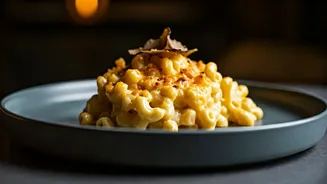
A ‘comfort’ recipe might be a warm, creamy mac and cheese bite in a single-serving ramekin. An ‘energy’ recipe could be a vibrant, spicy ceviche in a shot glass. A ‘joyful’ recipe might be a colorful, sprinkle-covered cake pop. The key is that the dish is designed, from ingredients to presentation, to evoke a specific, positive emotional response. This trend taps into a broader cultural shift toward mindfulness and intentionality, applying the principles of self-care directly to what we eat. It’s less about a strict set of rules and more about a philosophy: food should not only nourish our bodies but also our spirits.
The New Shareable: Individual but Communal
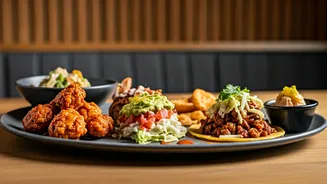
Here’s where it all comes together. Mood recipes are reviving the spirit of street food sharing by ingeniously bypassing our post-pandemic anxieties. The solution isn’t to force us back into sharing one big plate; it’s to present a collection of perfect, individual portions that are designed to be experienced together. It’s the deconstructed, re-imagined platter.
Imagine a food truck serving a ‘tasting flight’ of mini bao buns, each with a different filling and its own distinct ‘mood’—one spicy and invigorating, one savory and comforting, one sweet and nostalgic. Or picture a shared tray where everyone gets their own perfectly portioned cup of gourmet fries, each with a unique aioli. The hygiene barrier is respected—no one is reaching into your container—but the social experience is restored. You can still point to your friend’s choice and ask, “How’s the ‘adventurous’ one?” You’re sharing the moment, the conversation, and the discovery, without sharing the germs. It’s the perfect compromise: the safety of personal space combined with the joy of a collective experience.
Bringing the Experience Home
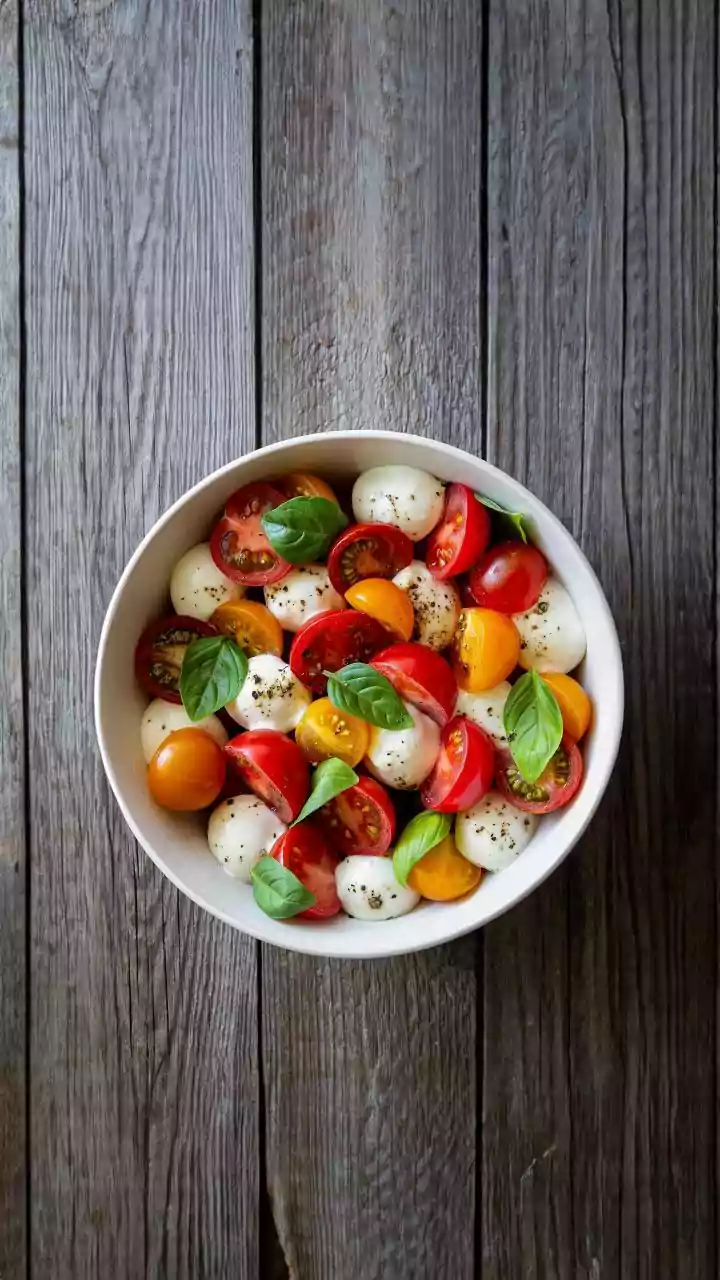
This trend isn’t just happening at food festivals and trendy urban markets; it’s quietly reshaping how we entertain at home. The awkward ‘how do we serve this?’ potluck of 2021 is being replaced by more thoughtful, tapas-style gatherings. Hosts are preparing slates of shareable-but-separate bites: mini-quiches, individual charcuterie cones, single-serving layered dips in small glass jars, or skewers where every component is perfectly bite-sized.
This approach does more than just solve the sharing dilemma. It empowers guests to sample a wide variety of flavors without committing to a full plate of anything. It turns the food into a conversation starter and an activity in itself. People move around, they curate their own plates from a central, beautifully arranged spread of individual items, and they connect over the experience. It brings back a sense of playfulness and exploration to social dining, proving that we can adapt our cherished rituals to fit a new reality without losing what made them special in the first place.