



Why the Monsoon is a Perfect Storm for Germs
The very elements that make the monsoon season so magical—the heat, the humidity, the downpours—also create a perfect breeding ground for bacteria and viruses. Food safety isn't just about what you eat; it's about the environment in which your food is stored,
prepared, and served. During the monsoon, high humidity allows microbes like E. coli and Salmonella to thrive on surfaces and in foods left at room temperature. Constant dampness can lead to mold and fungal growth on produce and grains. Furthermore, heavy rains can overwhelm local drainage systems, causing flooding that contaminates public water sources. This contaminated water is then used to wash vegetables, prepare drinks, and even clean utensils, creating a widespread risk for foodborne and waterborne illnesses like traveler's diarrhea, cholera, and typhoid.
Adjust Your Street Food Strategy
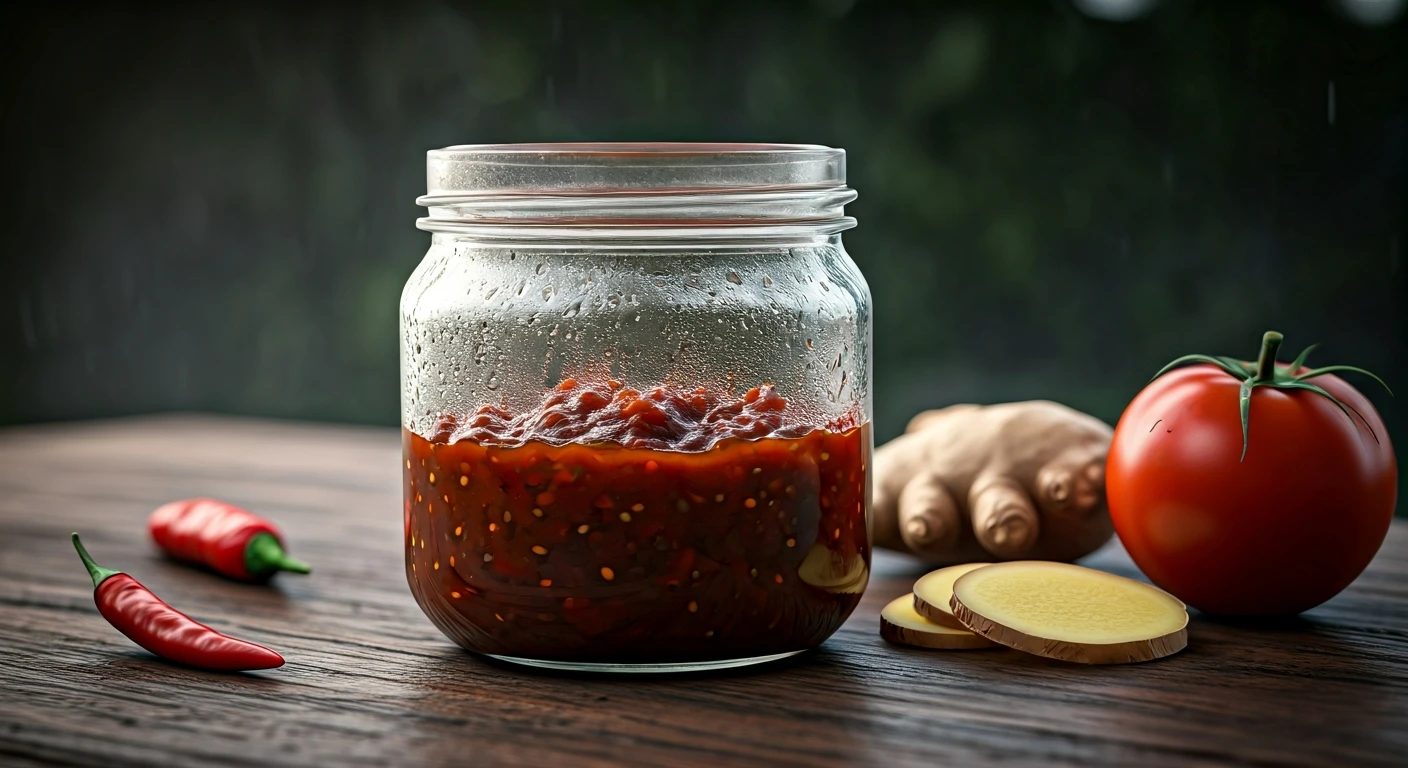
A blanket ban on street food would mean missing out on some of the most authentic and delicious parts of travel. Instead of avoiding it entirely, get smarter about your choices. The golden rule is to eat what's hot, fresh, and cooked right in front of you. Watch the vendor. Do they have a high turnover of customers? That’s a great sign, as it means the food isn't sitting around for long. Look for stalls that seem popular with locals, particularly families. Opt for deep-fried snacks (like samosas or pakoras) or steaming hot noodles and soups, as the high heat kills most harmful bacteria. Be wary of pre-cut fruit, uncovered dishes swarming with flies, and anything that looks like it’s been sitting in the heat for hours. Avoid chutneys and sauces that have been sitting out in the open; ask for a fresh portion if possible.
Beware of Water, Ice, and Raw Greens
The most common travel ailment often comes from the thing you need most: water. Never drink tap water, not even to brush your teeth. Stick exclusively to sealed, bottled water from a reputable brand. When buying, check that the seal is intact. A major pitfall for travelers is ice. Those refreshing cubes in your soda or cocktail are almost always made from local tap water. Politely ask for your drinks with “no ice.” The same caution applies to fresh juices or smoothies from street vendors, which are often diluted with tap water. During monsoon season, it’s also wise to skip raw salads and uncooked vegetables. Even in nice restaurants, leafy greens can be difficult to clean thoroughly and may have been washed in contaminated water, carrying invisible risks.
Pack a Proactive Health Kit
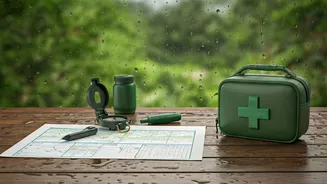
Being prepared can make the difference between a minor inconvenience and a ruined trip. Your travel health kit should be your first line of defense. Start with an alcohol-based hand sanitizer and use it religiously, especially before eating. If you plan to be in more remote areas, water purification tablets or a personal water filter (like a Lifestraw or SteriPen) are indispensable. Pack over-the-counter medications to manage symptoms if they arise. This should include an anti-diarrheal medication (like loperamide) for emergency situations (like a long bus ride) and oral rehydration salts (ORS) to replenish fluids and electrolytes if you do get sick. A basic first-aid kit with antiseptic wipes and bandages is always a good idea, too.
Know When to See a Doctor
Most cases of traveler's diarrhea are self-limiting and resolve within a few days with rest and rehydration. However, you shouldn’t ignore serious symptoms. It's time to seek medical attention if you experience a high fever (above 102°F or 39°C), persistent vomiting that prevents you from keeping liquids down, severe abdominal or rectal pain, or blood or pus in your stool. Dehydration is the biggest immediate risk, so if you show signs like dizziness, a dry mouth, or minimal urination, you need professional help. Before you travel, it’s a good idea to know the location of a reputable clinic or hospital near your accommodations. Your hotel staff or a travel insurance provider can often provide recommendations.