
What Is Premiumisation, Anyway?
At its core, 'premiumisation' is the business strategy of making a mainstream product feel more special, exclusive, or high-quality, thereby justifying a higher price point. Think of it as the 'glow-up' for your grocery list. It’s the difference between
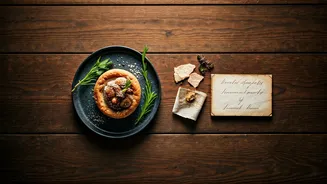
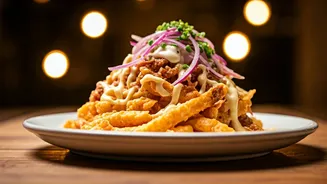
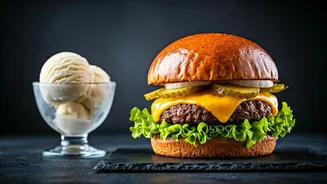
a standard cup of diner coffee and a single-origin, pour-over brew with a backstory about the farm it came from. It’s the humble burger transformed by a brioche bun, aged cheddar, and house-made aioli. This trend isn't about pure luxury, which is often unattainable for most. Instead, it’s about elevating the ordinary. Companies are realizing that consumers are willing to pay a little more not just for better ingredients, but for a better story, prettier packaging, and a more engaging overall experience. It taps into a desire to make everyday moments feel a little less mundane and a little more memorable.
The Search for Affordable Luxury
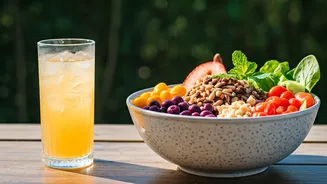
So, why is this happening now? In an economic climate where major life milestones like buying a home or a new car feel increasingly out of reach for many, small, affordable luxuries provide an accessible dopamine hit. That $18 grain bowl or $7 craft beer is a splurge, yes, but it’s a manageable one. It offers a taste of the good life without requiring a second mortgage. This psychological shift is crucial. When big-ticket items are off the table, spending patterns pivot towards smaller, more frequent rewards. This trend allows consumers to exert control over their happiness in a tangible way. It’s a form of self-care, a way to treat yourself after a long week, and a status symbol that’s more about taste and discernment than outright wealth. It communicates that you value quality and have the cultural know-how to identify it, whether in a can of artisanal olive oil or a bar of small-batch chocolate.
From Coffee to Cocktails
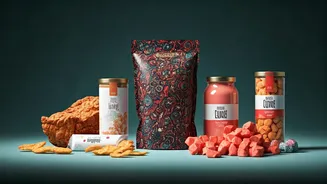
Once you start looking, you’ll see premiumisation everywhere. The coffee industry is a classic example, having moved from generic grounds to a world of micro-roasters, latte art, and cold brews infused with nitrogen. The fast-casual restaurant sector has been built on this concept, offering customizable, high-quality meals that feel leagues above traditional fast food. Think of brands like Sweetgreen or Cava, where the assembly line feels more like a curated culinary journey. Even the grocery store aisles are packed with examples. You can find hot sauces with complex, smoky pepper blends, pasta made from heritage grains, and ice cream with 'gourmet' mix-ins and flavor profiles like 'brown butter bourbon.' The beverage aisle has exploded with craft sodas, kombuchas with exotic ingredients, and ready-to-drink cocktails that promise a bar-quality experience in the comfort of your home. Each product aims to turn a simple act of consumption into a mini-event.
Designed for the Digital Age
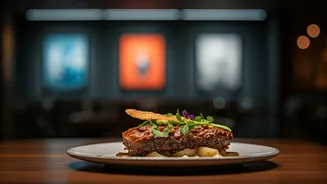
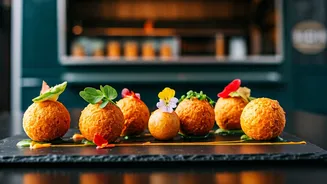
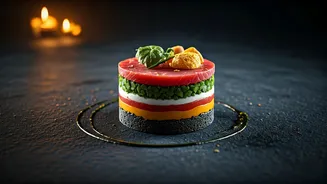
It’s impossible to discuss this trend without acknowledging the massive role of social media. A meal is no longer just for eating; it’s for documenting. The 'experience' part of the equation is often tied to its visual appeal and shareability. Is the dish beautiful? Is the restaurant’s interior photogenic? Does the packaging look good in an unboxing video? Restaurants and food brands are keenly aware that they are designing not just for the palate, but for the camera. A colorful dish, a unique cocktail glass, or a beautifully designed takeout box becomes free marketing when posted on Instagram or TikTok. This creates a feedback loop: consumers seek out photogenic food experiences to build their personal brand online, and companies lean into creating these visually stunning moments to attract them. The meal becomes a prop in the story of your life, and paying a premium is the price of admission for a good scene.