


What Does 'Soilless' Even Mean?
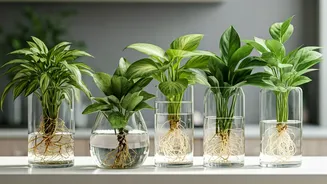
When we say “soilless,” we don’t mean your plants will be floating in mid-air. It simply means swapping traditional potting soil for a different growing medium. The most common methods for indoor hobbyists involve growing plants directly in water (often
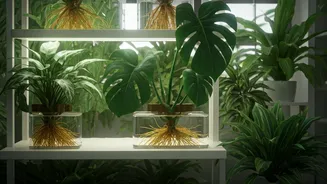
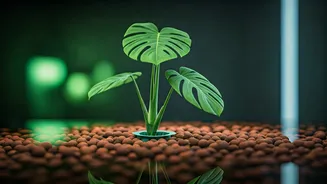
called “water culture”) or using inert substrates like lightweight expanded clay aggregate (LECA), perlite, or pumice. These materials don’t contain organic matter, but they provide physical support for the roots while you deliver water and nutrients directly. Think of it as decluttering your plant’s life: removing the messy, unpredictable variable of soil and replacing it with a clean, controlled system.
The End of Overwatering and Pest Problems
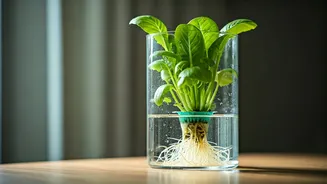
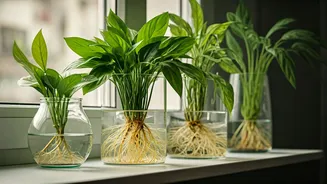
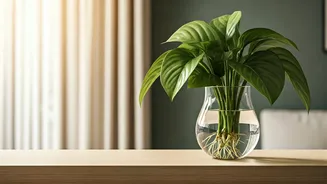
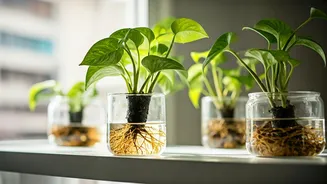
The number one killer of houseplants is root rot from overwatering. In soil, it’s incredibly difficult to know what’s happening beneath the surface. Is it too wet? Too dry? With soilless methods, the guesswork is gone. In a clear glass vase of water, you can see the roots and the water level. In a semi-hydroponic setup with LECA, a reservoir at the bottom of the pot allows the plant to wick up exactly as much water as it needs, when it needs it. This consistent moisture access prevents the dreaded wet-dry cycle that stresses so many plants. As a bonus, you’re also eliminating the primary breeding ground for common pests like fungus gnats, which live and lay their eggs in damp topsoil. Less mess, fewer bugs, and no more watering-related anxiety—it’s a win-win-win.
Pothos: The Unkillable Classic
If you’ve ever taken a cutting from a friend, you already know the Pothos is a champion of soilless living. These vining beauties are practically begging to be grown in water. Just place a cutting with a few nodes (the little bumps on the stem) in a jar of water, and within weeks you’ll have a thriving new plant. They can live this way indefinitely, asking only for a water change every week or two and a splash of liquid fertilizer once a month. Their trailing vines look stunning cascading from a simple glass vase on a bookshelf or kitchen counter, making them the perfect entry point into hydro-culture.
Snake Plant: The Sculptural Survivor
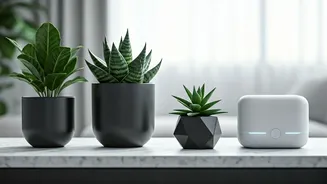
The Snake Plant (Dracaena trifasciata) is famous for its tolerance of neglect, but its one true kryptonite is overwatering. Moving it to a soilless medium removes that risk entirely. Snake Plants do exceptionally well in LECA or pumice. The porous nature of these substrates provides the excellent aeration their roots crave, preventing rot while still delivering consistent moisture from a reservoir. The stark, architectural leaves of a Snake Plant paired with the clean, modern look of a glass vessel filled with clay pebbles is a minimalist design statement that’s also secretly a foolproof gardening system.
Orchid: The Surprisingly Simple Flower
Orchids have a reputation for being fussy, but that’s because we try to treat them like normal houseplants by putting them in soil. In the wild, most Phalaenopsis orchids are epiphytes—they grow on trees, not in the ground. Their thick, silvery roots are designed to absorb moisture from the humid air. A soilless setup, particularly semi-hydroponics with LECA or bark chips, perfectly mimics this natural environment. The pot provides the aeration they need, while the water reservoir offers the consistent humidity they love. Far from being difficult, orchids in soilless media are often easier to care for and more likely to re-bloom for the 'guilty' parent.
Monstera Deliciosa: The Statement Maker
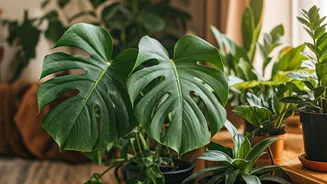
Yes, even the king of the jungle can go soilless. The iconic Monstera is incredibly easy to propagate in water. A stem cutting with a node will quickly develop a robust root system, and many people choose to keep them in a large vase of water for months as a stunning, living centerpiece. For a more permanent solution, transferring a Monstera to a large pot with LECA is a fantastic option. The large, airy gaps between the clay balls allow its thick, adventurous roots plenty of room to grow, and the steady water supply encourages the development of those iconic, fenestrated leaves. It’s the perfect way to have a show-stopping plant without the fear of waterlogging its precious roots.