





The Anti-Vacation Vacation
What is a 'reset trip'? It’s less about where you go and more about what you don’t do. Forget frantic, 15-city European tours or dawn-to-dusk itineraries designed for maximum Instagram output. This new approach prioritizes stillness, mental health, and genuine
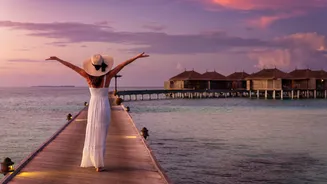
recuperation over performative sightseeing. It’s the antithesis of the trip you need a vacation from. Recent travel reports confirm this shift. Instead of searching for 'things to do,' younger travelers are prioritizing destinations that offer peace and quiet. The goal isn't to conquer a new place, but to reconnect with oneself.
Driven by Digital Burnout
To understand the rise of the reset trip, you have to understand the context of Gen Z’s reality. As the first truly digitally native generation, they’ve never known a world without the internet's constant hum. This hyper-connectivity has come at a cost, with widespread reports of digital fatigue and mental health challenges. The pandemic only amplified this, blurring the lines between work, school, and home life into a single, screen-mediated experience. Travel, therefore, has become a powerful antidote. It’s no longer just about seeing new sights; it's a strategic retreat from the noise, a conscious effort to log off and decompress in a world that rarely allows it.
Enter 'Sleep Tourism'
One of the most concrete examples of this trend is the emergence of 'sleep tourism.' Yes, people are now traveling specifically to sleep. Hotels and resorts are responding with dedicated 'sleep retreats' that feature everything from pillow menus and blackout curtains to sound-proofed rooms and guided meditation sessions. According to Expedia’s 2024 travel trends report, a significant portion of U.S. travelers are more interested in this than in nightlife. For a generation often described as sleep-deprived, the ultimate luxury isn't a Michelin-star dinner or a VIP club—it's eight uninterrupted hours. A trip centered on catching up on rest would have seemed absurd a decade ago; today, it’s a status symbol of self-care.
Low-Stakes, High-Reward Destinations
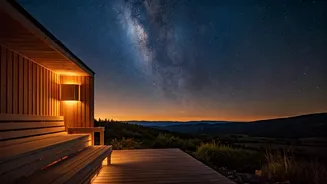
The reset trip is also democratizing travel by de-emphasizing expensive, far-flung destinations. The focus on internal experience means a quiet cabin a few hours from home can be just as effective as a Balinese yoga retreat. The key is the environment: is it calm? Is it low-pressure? Can you be present without a schedule? This has led to a boom in rentals in serene, natural settings—think less bustling metropolis, more lakeside cottage or mountain hideaway. It also includes solo travel to familiar, comforting places, where the goal isn't exploration but simply existing in a new, less demanding context. The lack of pressure to 'do it all' makes the trip more accessible, both financially and mentally.
From 'Pics or It Didn't Happen' to Being Present
For years, the mantra of travel was 'pics or it didn't happen.' Social media feeds became highlight reels of exotic vistas and perfectly curated moments. The reset trip flips this script entirely. While travelers might still take photos, the primary purpose is not to craft a narrative for an online audience. Many intentionally incorporate a digital detox, leaving phones in their rooms or limiting usage to specific times. This is a profound shift from travel as content creation to travel as a lived experience. It's about trading the anxiety of capturing the moment for the simple, restorative act of living in it.